The wildfires in California are devastating. People are losing their homes and their valuables. Some are losing their lives. I live in Florida, far from California. There is no threat of those fires expanding to my community, yet I truly understand what that loss feels like.
In 2013, my family and I were preparing to move from Gainesville, FL to Seattle, WA as I had been recruited and hired to be the new President and CEO of the Jewish Federation of Greater Seattle. It was a big move with lots of nerves, fear, and concern for all of us. We were literally moving completely across the country. My wife and kids had never not lived close to family and now we were moving nearly 3,000 miles away.

This was a big new job in a new community for me. Alison, my wife, had one friend who lived there and my kids knew nobody. It was exciting and scary at the same time. We packed up our house, the movers took our belongings away, and we moved into my in-laws house for a few days. I was leaving a few days before my family to get things set up, move into our rental home, pick up our dog at the airport and then get the family a few days later. Everything was set up for this big change in our lives.
As I prepared to head to the airport in a rental car (our cars had been shipped already), my phone rang. It was the moving company. They told me that there had been a fire in our moving truck and it was a complete loss. Everything we owned that was on that truck was lost. My face dropped. I didn’t know what to do. For a minute I thought I was being pranked, I hoped and prayed I was being pranked, but I wasn’t. I told Alison and she was stunned. How do you comprehend losing all your belongings like that. Your memories. Your photos as a child, with your grandparents, your children as babies, your ketubah (marriage certificate) and so much more.
I headed to the airport in shock, talking to Alison on the phone the entire time. I called Delta, told them what happened, and they changed my flight to a day later. I called my new board chair and shared the news with her. She was shocked. Using humor to deflect my feelings, I said to her, “Well, at least we don’t have to unpack.”
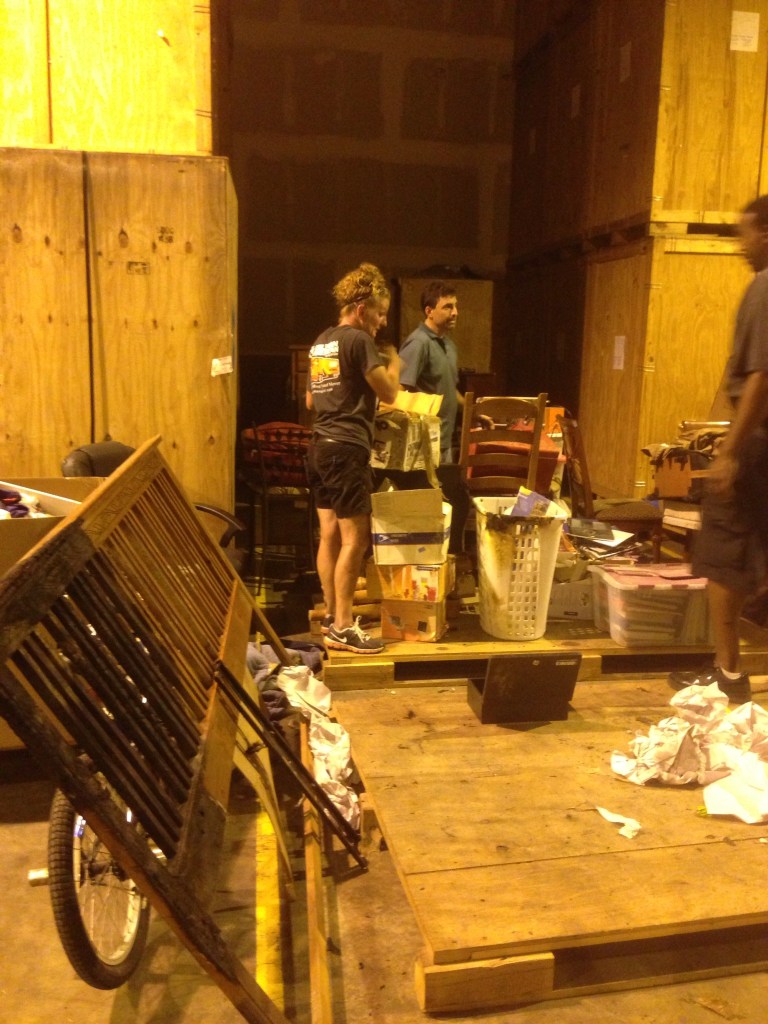
When I got back to my in-laws house, we spoke to the moving company again and they said we could come to the facility in Jacksonville where the truck was and salvage anything that we wanted. Still in shock, Alison and I drove to Jacksonville, depressed at what we were going to see.
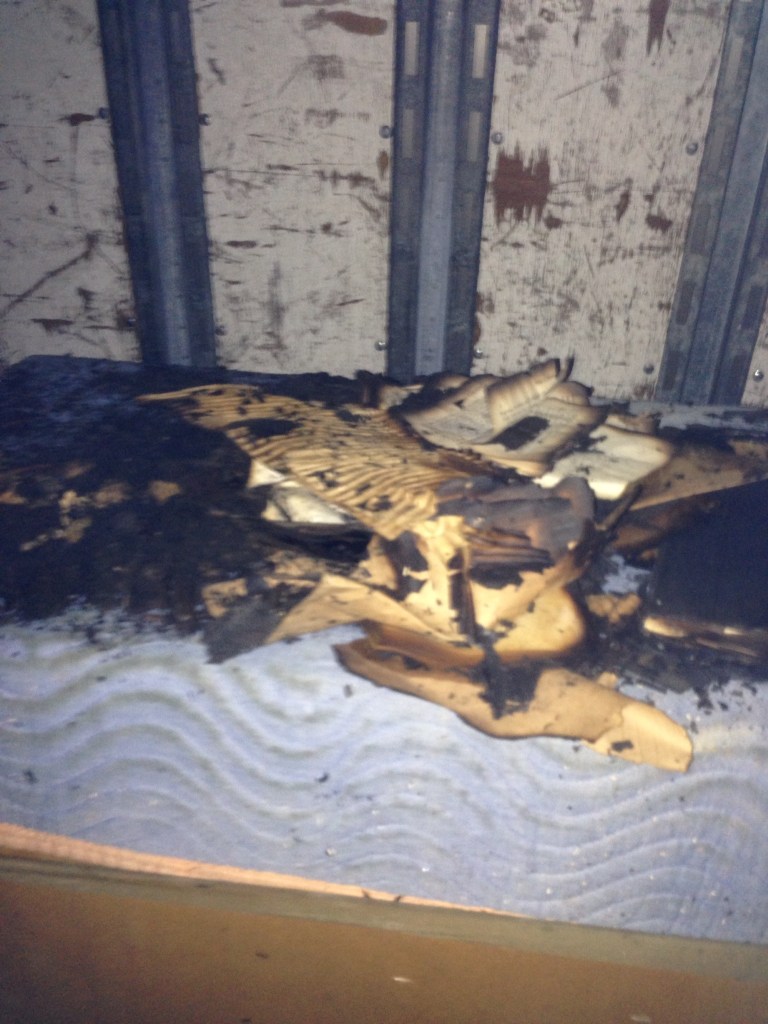
When we arrived, they told us what happened. The truck hadn’t left the yard yet. There was an issue with the truck that needed to be fixed before they could send it to Seattle. The way to fix it involved using a blowtorch. Their standard operating procedure is to removed everything from the truck, then use the blowtorch to fix it, and then reload the truck. The person who was fixing it decided he didn’t want to do that and just tried to fix it with all our belonging still on the truck. Something caught fire, the truck went up in flames, they rushed to put it out, but the fire, smoke, and water ruined our belongings. Later, I reached out to a few attornies about a lawsuit since they didn’t follow their procedures and I learned that they are only liable for the loss. Not for anything else. I learned that sentimental things have no value other than replacement of them. Things that were handed down from my grandfathers would be worth pennies because they were old things that could easily replaced. A lesson learned.
We were both fuming as we walked to the area where the truck and our belongings were. You could smell the smoke well before we got there. The sight was devastating. Boxes were charred and wet. Furniture burned. We slowly approached the area, tears in our eyes, and began to go through the boxes.
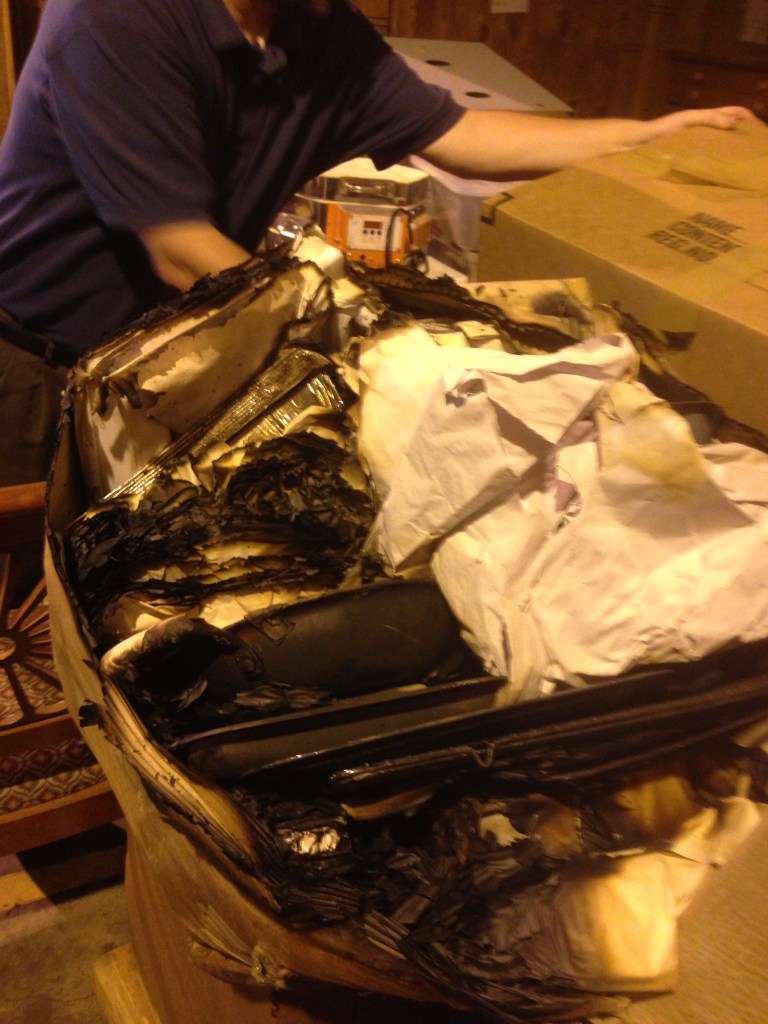
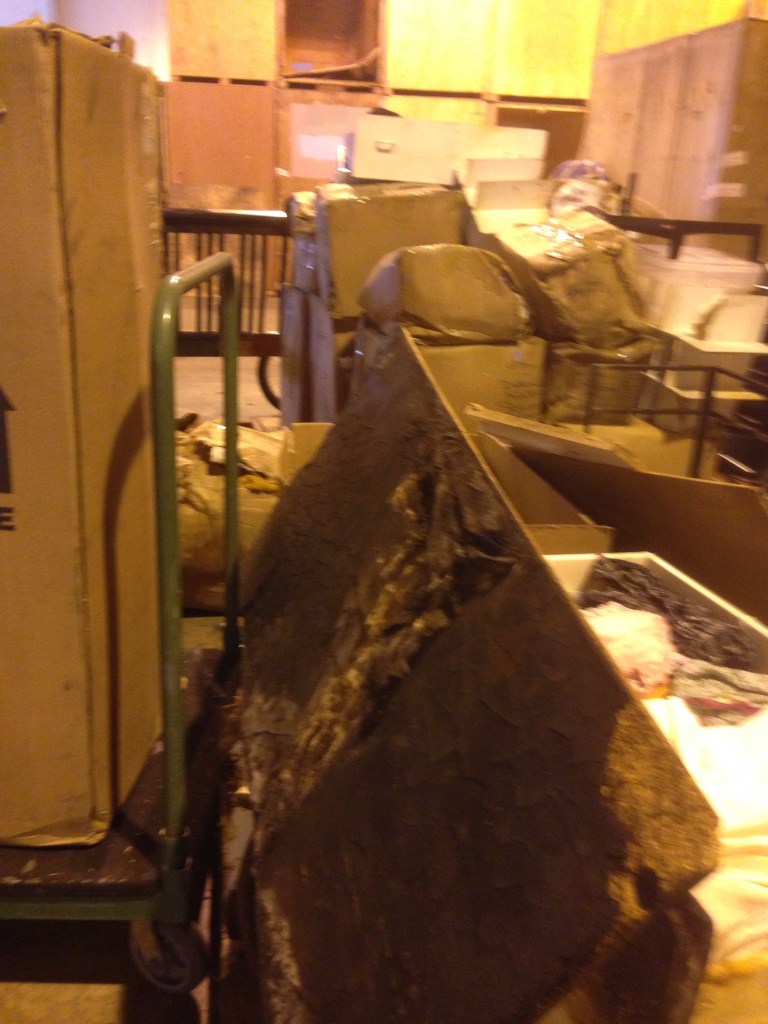


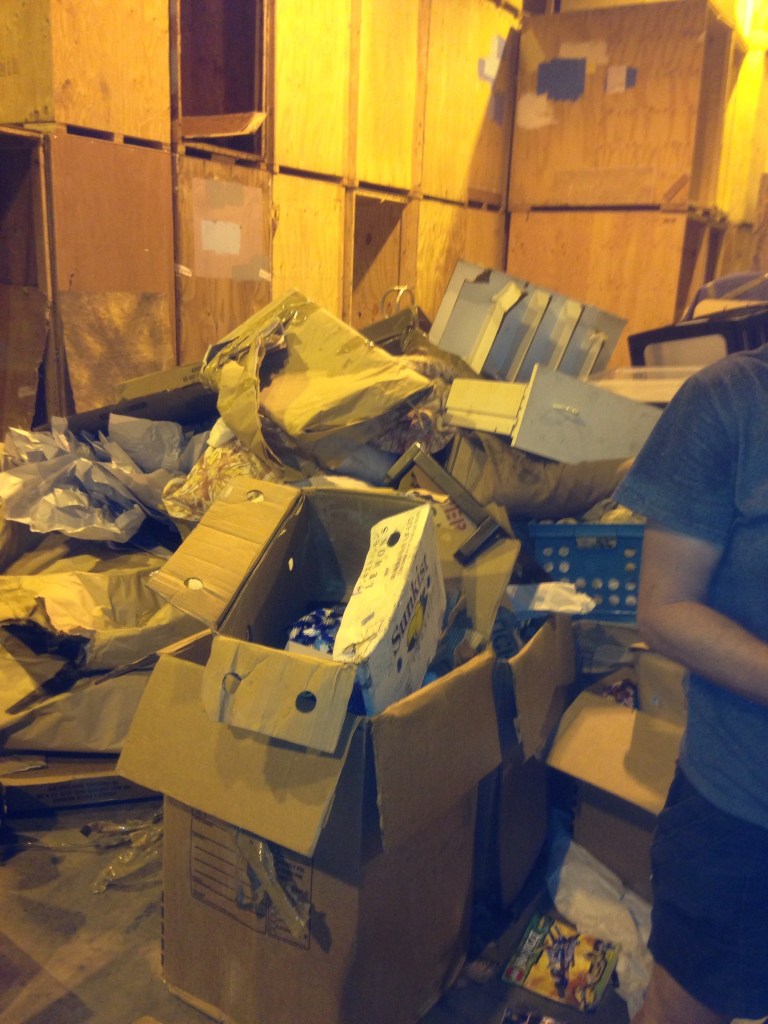
Then something amazing happened. We opened a wet and charred box and found our ketubah in it, in perfect condition. We opened another wet and charred box and found our wedding album along with other picture albums from our childhoods. We found our children’s professional pictures when they were 4 and 2 perfectly safe. We looked around as our furniture, clothes, and everything that could be replaced with money was damaged and lost and realized that things that really mattered to us were not. The collage from our wedding reception was fine. My autographed sports memorabilia that I got personally, signed to me, was fine. The things my grandfather and Alison’s grandfather did special for us, were fine. My grandfather had the newspapers from the 4 days leading up to Nixon’s resignation and the day that FDR died. They mean the world to me because they connect me to him, long after he died. They were all fine. Our hearts warmed quickly and were filled with gratitude. Yes, we lost all our material possessions and would have to get everything new. Yet the things that truly mattered to us, the things that were irreplaceable, were saved.
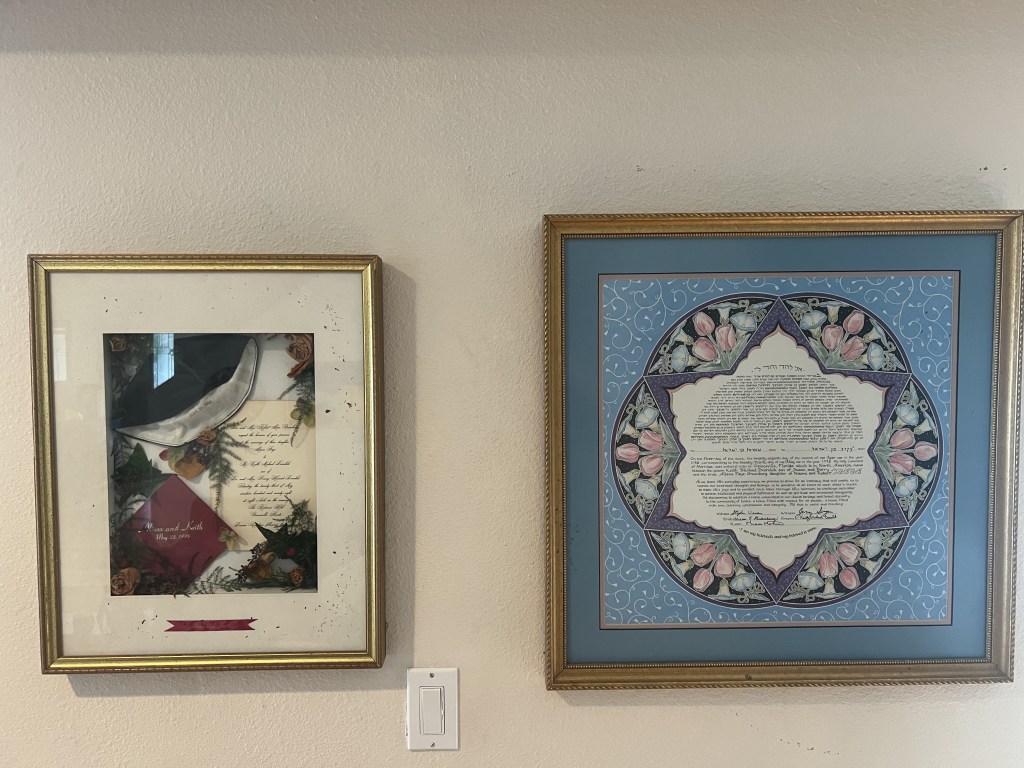
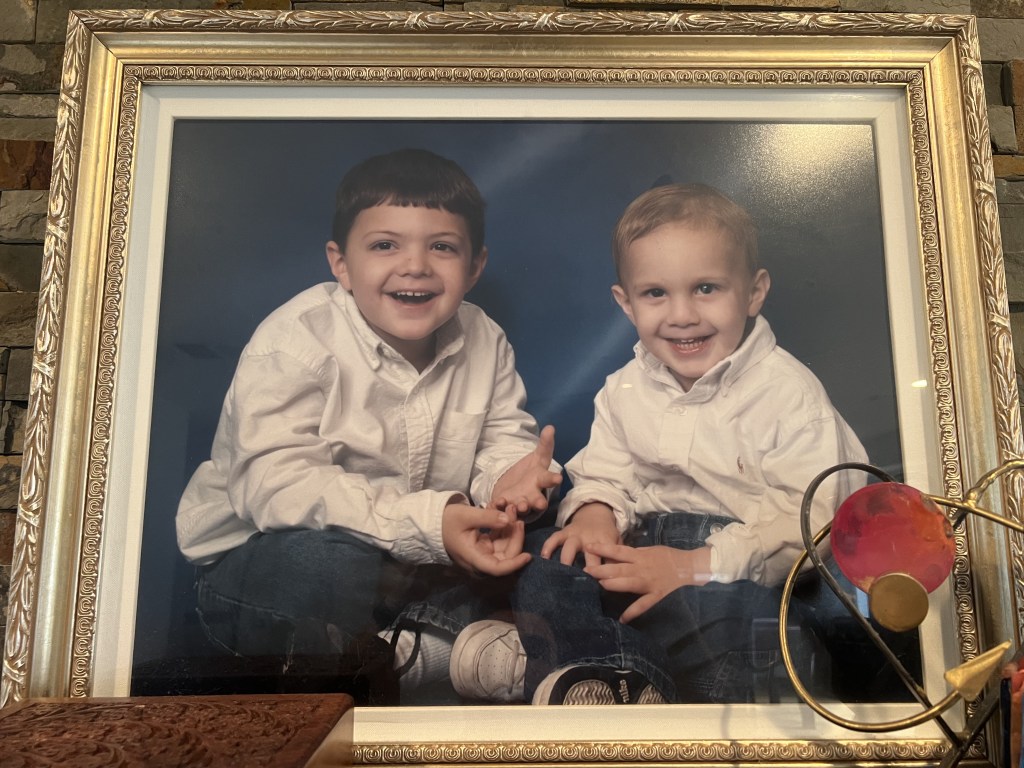
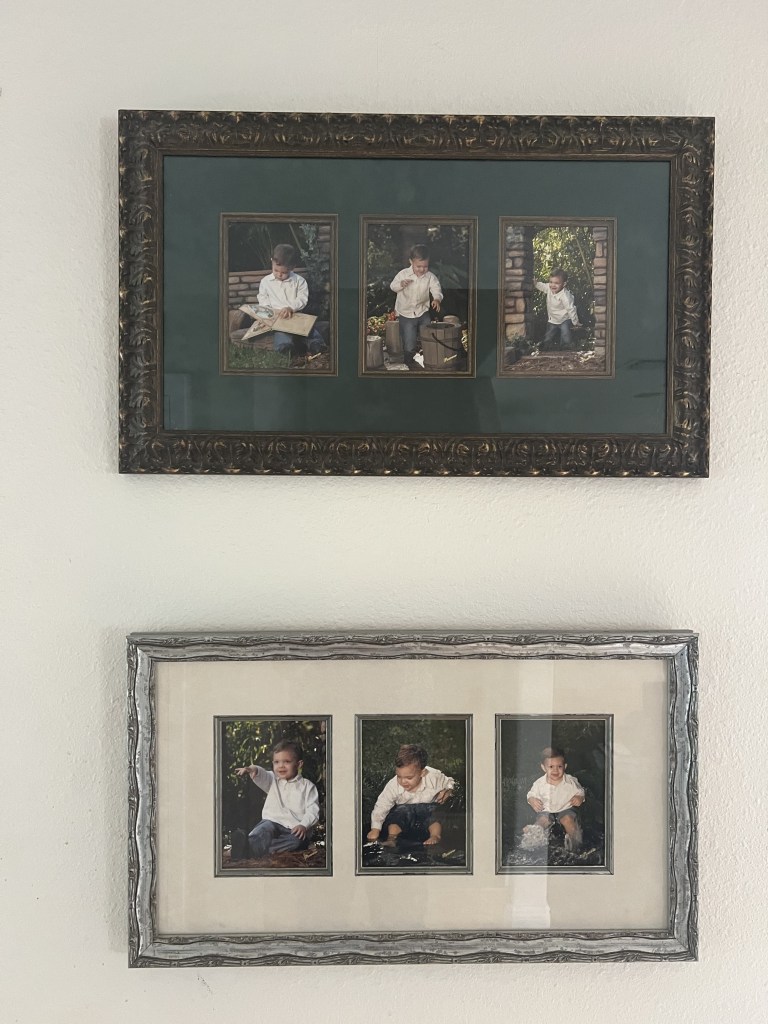
This was my proof that God exists. There was no reason for these things to be saved. They weren’t in a part of the truck that wasn’t burned. Our ketubah and Alison’s bridal portrait were in boxes that were behind the couch that burned up. The things that mattered the most were mixed with everything that was a complete loss. There was no reason for them to be saved and in great condition other than God.
As we see what is happening in Calfornia with the fire and loss of homes, I think back to when we lost everything we owned. When people reached out, wanting to donate money to help us, we declined. Why did we decline? We had insurance on our items and they could be replaced. We thought we had enough insurance but eventually learned that replacing EVERYTHING you own is much more expensive than you think. We told people that most importantly, nobody was hurt. We still had a place to live and material things are not important compared to being healthy.
I feel for the people who have lost their homes and their possessions. I have been there with the possessions and was grateful it was just possessions and not my house. I was lucky that the things that couldn’t be replaced were saved. The people in California don’t have that luck. Houses and possessions can be replaced. It will be an inconvenience. It will be frustrating. It’s not something anybody would want to go through. For those who lost their lives, they can’t be replaced. For those who lost their material possessions, all that can, and will, be replaced.
After losing our material possessions in 2013, I found myself grateful. Grateful that we were safe and it was just things. Grateful we had insurance, which covered about 85% of the cost of replacing everything. I was incredibly grateful that the things that couldn’t be replaced were saved. It reminded me of my priorities. It reminded me that material things are just that – things. We may like them and enjoy them, but they are just things. There are many things far more important.
I hope that those going through this awful time of loss, of devastation, and in a time when they are in shock, the same way I was in shock after hearing the news, come to the same realization. Their homes will be rebuilt. They will buy new clothes and new furniture. They can buy new art for the walls, new rugs for the floors, new towels and sheets, and appliances. There are many things that are irreplaceable. Possessions are not among them.
I found great comfort in this realization. I hope those dealing with it in California find the same comfort. Having lost all my possessions in 2013, I know what is really important. I would gladly go through it all over again to ensure my health and the health of my loved ones. Possessions are temporary and unimportant. Our lives and the lives of our loved ones are what matters. Health and happiness. Let the pain those in California are going through be a lesson to us all about what really matters in life. I know it’s a reminder for me.
 keithdblog