It has become so common to see Israel and the Jews blamed for everything. Have a Nazi tattoo and want to run for the US Senate? Get accused of abusing your ex-girlfriends? Cheat on your wife? Masturbate in public toilets? Have racist writings exposed? Be like Graham Platner and blame the Jews. Want to be elected Governor of Florida but you are not endorsed by President Trump or by Governor Desantis? Be like James Fishback and blame the Jews. Want to be elected to Congress in Texas but are unqualified and need some big time PR? Be like Maureen Galindo and threaten to put the Zionists in internment camps. Want to get elected to Congress in New Jersey? Make sure you are like Adam Hamawy, who called Israel’s actions in Gaza a “genocide.” and who has strong ties to the “Blind Sheikh” Omar Abdel Rahman, who was linked to the perpetrators of the 1993 World Trade Center bombing and who is in prison for life for planning terrorist attacks. For sure one way to get elected in any state is to claim Israel committed Genocide, wrongly interpreting the International Court of Justice’s decision (listen to former President of the ICJ, Joan Donoghue explain what the decision actually was below.)
The former President of the ICJ just destroyed the “Israel is committing genocide” lie.
Joan Donoghue (who presided over the South Africa v. Israel case) on Hardtalk:
“It didn’t decide that the claim of genocide was plausible… The shorthand that often appears… isn’t what the… pic.twitter.com/4R4lK7WfRa
What we rarely see, from Demorcrats or Republicans, is those who stand up against Jew hatred and who are willing to take a power public stance condemning it. Plenty will dance around the corners. Few will stand strongly.
I have had relationships with elected officials of both parties most of my career. I built relationships with many of them around the State of Florida when I was running UF Hillel, did the same as the President and CEO of the Jewish Federation in Seattle, and continued to do so when I moved to Orlando. Many of them don’t like each other but each has built relationships with me. As a citizen and a leader, I believe it is my right and my responsiblity to build there relationships. I work with Democrats and Republicans because Jewish life, safety, fighting antisemitism and Jew hatred, and supporting the right for the State of Israel to exist should never be partisan issues. As such, when Senator Rick Scott’s Central Florida Director called me late last week to invited me to a press conference Senator Scott had called at the Florida Holocaust Museum to address Kanye West performing in Tampa and antisemitism for Monday morning, I wasn’t surprised, was honored, and cleared my calendar to attend.
I have known Senator Scott since he was in his first term as Governor of Florida due to my work with UF Hillel. We had many politicians come speak to our students so they could learn from elected officials and understand that as citizens and leaders, they had access to them and had a responsibility to use that access to share their concerns. I believe it is important that we teach our children and those around us this important lesson. Our elected official serve us, the people. We don’t serve them. So use your citizen’s voice with them.
I’ve attended many of these press conferences held by many different politicians over the years. It doesn’t matter who they are or which party they are affiliated with, they tend to be fairly similiar. They stand in front of a podium, addressing the media, speaking certain talking points that are nice to hear and are supported, but usually in a calm and dignified manner. They are doing what they are supposed to do in representing their population and speaking out, but rarely with true passion and fire. It almost always comes from somewhere inside, is something they truly believe, and is always appreciated. It rarely leaves a lasting effect. It is what I expected would happen at Senator Scott’s press conference.
I was wrong. When Senator Scott stepped to the podium he had fire in his eyes. His words were passionate and filled with fury. He began by making sure that everybody knew that this was not ‘his’ press conference but rather was a bipartisan group who were here because they had enough of antisemitism and hate. They were not going to tolerate Jew hatred in Florida and he wasn’t going to tolerate it in the United States. He made sure to introduce US Senator Ashley Moody, former Governor Charlie Crist, Leo Terrell, the Senior Counsel to the Assistant Attorney General for Civil Rights in the United States Department of Justice who oversees the country’s response to antisemitism and all civil rights, Pastor Scott Thomas who represented Christians United for Israel (CUFI), local elected officials, and the local Jewish leaders who were in attendance. This was not the Rick Scott show. This was an entire community standing together.
The issue that had fired him and the others to speak so forcefully was the Tampa Sports Authority’s decision to have Kanye West perform two concerts at Raymond James Stadium. Kanye, in 2025, released a song and music video entitled “Heil Hitler.” In 2025 he also publicly stated, “I am a Nazi.” He has threatened that, “when I wake up I’m going death con 3 On JEWISH PEOPLE.” These are only some of his Jew hating public remarks. As all the speakers reminded us, speaking out against Jew hatred and Kanye West’s pending performace because of the Tampa Sports Authority (TSA) is not a 1st amendment issue. He has the right to say whatever it is that he wants. However TSA is not required to bring him. It is not a requirement that public dollars be used by TSA to stage his concert and to make him money.
As I listened to Senator Scott talk, I was inspired because I was hearing things that I believe in. He spoke about bipartisanship and how Republicans and Democrats were represented at the event. He stated, “It starts with the Jews but it doesn’t end with the Jews.” He talked about his visit to Kfar Aza in 2019 and then again after October 7th and how that impacted him. He talked about how he brought his own children to Holocaust Museums because he doesn’t want them to ever forget and was open and honest about finding the right age and time to bring his young grandchildren to Holocaust Museums because he doesn’t want them to be part of the Holocaust denier movement. I was moved by the power and passion of his comments. He focused on how Kanye has the 1st amendment right to perform but that we don’t have an obligation to use public dollars to bring somebody who spews hate and openly hates Jews. He actually asked what does it say to Jewish Floridians if we use public dollars to bring somebody who openly said he loves Hitler and is a self proclaimed Nazi? How does that make our Jewish Floridians feel safe?
US Senator Rick Scott
US Senator Ashley Moody spoke next. As somebody who hails from the Tampa Bay region, she was visibly upset about this in her home community. She took the TSA to task, saying their job is clearly stated to ‘evaluate, approve, and prioritize’ the acts they bring. That means that TSA chose to evaluate Kanye West’s Jew hatred and think it was ok, then went ahead and chose to approve his performance, and prioritized it so that it was something that was happening soon. She held them accountable for all three of these responsibilities where they failed.
Senator Moody acknowledged Kanye’s right to perform but also talked about how that doesn’t mean the TSA has to choose to bring him. They could have evaluated, chose not to approve, and not make him a priority, all while not infringing on his free speech rights. She also spoke about the contract and that this would cost TSA money to break it; and that they should because when you make a mistake you must fix your errors.
US Senator Ashley Moody
The next speaker was Leo Terrell, the Senior Counsel to the Assistant Attorney General for Civil Rights in the United States Department of Justice. Mr Terrell is the person in Washington who fights antisemitism every single day. He flew in from DC for the event. I was incredibly impressed by him. He said bluntly that it is “a fundamental obligation to fight antisemitism.” No excuses made. No qualifying or saying that ‘its complicated’. It is a fundamental obligation. Powerful words.
He then directly addressed ‘the Jewish tax’. The Jewish tax is the enormous costs the Jewish community bears to keep our community safe. The cost of security at our synagogues, Federations, JCCs, events, and any Jewish space. You don’t see the same thing at churches or mosques. Only the Jewish community. He spoke powerfully about the obligation to make this Jewish tax no longer needed. Hearing Leo Terrell speak and knowing he is fighting for the Jewish community made me feel hopeful. We have a smart, passionate person in charge who is spending his days fighting on our behalf.
Leo Terrell
Former Governor Charlie Crist spoke next. He started with words we rarely hear from any politician in today’s world. “I am a Democrat but an American first.” It was that type of event – partisan politics were put aside to stand up to hate, specifically Jew hatred and antisemitism. Charlie made sure that everybody heard him when he directly said that “this is not right vs. left. It is right vs. wrong.” When Senator Scott called him on Friday to invite him to participate, he told us that his response was, “I don’t know what I have scheduled but I’ll be there.” He made sure to clear his calendar to be a part of standing up to Jew hatred and antisemitism.
Charlie talked about upholding community standards, standing up against hate. He was also very clear that we should not be using public funds or publicly funded arenas to promote hate speech. It is not ok to use those public funds and publicly funded arenas to platform a self declared Nazi who admits that he idolizes Adolph Hitler.
Former Florida Governor Charlie Crist
Pastor Scott Thomas, representing Christians United For Israel (CUFI) spoke, reminding us that if this was the 1930s, Kanye West would be an opening act for the 3rd Reich. He then said, far more eloquently than I have been saying for a long time, that ‘words started the Holocaust but silence allowed it to grow. There won’t be silence in 2026.”
We heard from Jewish Federation leadership, local politicians, community leaders, my long time friend Eric Stillman, the CEO of the Florida Holocaust Museum, and many others, including a Holocaust survivor. The theme throughout was the words on the podium, “Don’t. Fund. Antisemitism.”
A Holocaust survivor speaking to us
As Senator Scott took the microphone to wrap things up, he continued to be nuanced and clear. He said that ‘buying a ticket to an artist who you appreciate their creativity does not make you an antisemite.” A very important clarification for those who bought tickets and want to see Kanye West perform. However, he also reminded us that we must consider the power that we have at this moment. He closed by instructing us that “The future is not about just what we condemn. It’s also about what we allow.” Senator Scott hit it right on the head. Condemnation isn’t enough. We have see plenty of that with no effect. It truly is what we are willing to allow.
This bipartisan group, composed of local, state, Federal and communal leaders gathered together to speak out against Jew hatred and antisemitism. They aren’t willing to just allow Kanye West to perform in Tampa and send a message that public funds, meaning the government, approve of his hatred. I was honored to be there. I was inspired by the bipartisan approach and the commitment from everybody who spoke to do what they can to stop a Jew hater from being able to use public funds to make millions. In a fractured political environment where Jews don’t know if they can trust either party, here were Florida leaders making a powerful stand. It made me proud to be a Floridian. It validated all the work I have done and continue to do with our elected officials. We can make a difference. Nobody knows what the Tampa Sports Authority is going to do. They may cancel the concerts and pay the fee. They may change nothing and still have Kanye West perform. What I do know is that our leaders took a stand. They stood with the Jewish community against Jew hatred.
Senator Scott started a petition with change.org that demands the Tampa Sports Authority stop using public funds to to fund antisemitism and to cancel the two concerts by Kanye West. If you are motivated, please sign the petition as I have. We cannot aford to be silent. We must speak out. In the words of Pirke Avot (The Ethics of our Fathers), “It is not your duty to finish the work, but neither are you at liberty to neglect it”. Listen to the words of Pirke Avot and begin. Take a stand. Sign the petition. Share it and get others to join in, standing against hate. Silence only allows the hate to grow. We must call it out and take a stand.
Kanye West’s concert at Raymond James Stadium is a slap in the face to Florida taxpayers and our Jewish community.
I’ve started a petition with @Change demanding the Tampa Sports Authority stop using YOUR money to fund antisemitism and call off these concerts ⬇️ pic.twitter.com/Te5dUxoycY
There is an old saying that leaders lead. On Monday morning, I got to see a variety of leaders in Florida, Democrats and Republicans, join together to lead the effort to stand up to Jew hatred. I hope that becomes an inspiration to leaders across the country that you can work across the aisle when it comes to fighting hate, to fighting evil. That includes Jew hatred, which seems to be the only hatred that is permitted in today’s world.
I subscribe to the StopAntisemitism website and get weekly updates on what they find. They often have clickable links that allow you to send an email to organizational leadership about what their employees are doing related to Jew hatred and asking for help in reaching out. I almost always take this action
On Sunday, the following message was sent and I reached out the the leadership of Loras College about this coach.
Edward “Eddie” Liger Smith is an assistant wrestling coach at Loras College and co-founder of the Midwestern Marx Institute. He has repeatedly promoted tropes and conspiracy theories that echoe longstanding anti-Jewish narratives. With an online following of roughly 450,000 across X and TikTok, he possesses a massive platform for disseminating these views to a wide audience. As a wrestling coach, he holds significant influence over impressionable young men while simultaneously leveraging a large social media presence to spread his inflammatory rhetoric. This combination creates a dangerous platform with the potential to shape and radicalize vulnerable individuals both on campus and online.
Smith has publicly promoted violence and has glorified Hamas, a U.S. designated terror organization, to his vast audiences. Examples of Smith’s rhetoric include:
Calling Hamas terrorists “Palestinian resistance fighters” the day following the massacre on October 7th and saying, “What a courageous and powerful group of people.”
Referring to Hamas as “The people defending their children from the Zionist death machine that you support.”
Eddie Smith frequently uses conspiracy-based framing and broad, collective accusations that target Jewish people and promote antisemitic narratives.
Examples include:
Framing “Israeli Zionists” as part of a “ruling elite” and characterizing them as “compatible with murderous anti-human destruction.”
Stating “the Iranian Revolution is under attack from Zionist pedophiles.”
Sharing “I hope this makes you reflect upon the way that Israel and the Zionist lobby is increasing rates of anti-semitism in the West.”
Claiming it is “an objective, historical fact” that “Zionism is a terrorist ideology.”
Stating “Anywhere in the world where you see actual Muslim extremist groups, you can almost guarantee that the U.S. and Israel have actually supported or funded them.”
Claiming the Israeli government is “literally doing another Holocaust” and saying “but Americans like me need to give Israel 3 billion dollars a year in order to protect the Jews.”
Taken together, these statements go well beyond criticism of Israel and instead promote recurring antisemitic narratives rooted in conspiracy theories and collective blame. Repeatedly portraying Jews or “Zionists” as a powerful force behind society’s problems normalizes prejudice and hostility toward Jewish communities.
Eddie Smith’s role as a wrestling coach at Loras College, combined with his large online following, gives him significant influence over both student-athletes and a broader public audience. While entrusted with mentoring young people, he has repeatedly promoted antisemitic conspiracy theories, used dehumanizing rhetoric, and publicly praised Hamas – conduct that raises serious concerns about his ability to serve in a position of authority and trust.
Given the nature and pattern of this behavior, Loras College must conduct an immediate review and determine whether his continued employment is consistent with the institution’s values and its responsibility to provide a safe and inclusive environment for students.
I was surprised to get an almost immediate response from Loras College’s President, Mike Doyle addressing the issue. He was emphatic that Eddie Smith was not an employee or an active coach. He also promised to look into the issue and address it asap. He took the concern very seriously, was not defensive, and wanted to ensure that this hateful man was not connecting any way to Loras College. I was impressed by the response but honestly didn’t expect much of a follow through because most Presidents hope it will fade away.
I hadn’t heard from President Doyle in a few days so I reached out this morning to ask for an update. Once again, I got an almost immediate response, which again surprised me. President Doyle actually did follow up. He did the work to learn about Eddie Smith, who he is, how he is/was connected and began following up with those who reached out to him as well as with his leadership team at Loras College. He told me he spoke directly with Liora Rez, the Executive Director of StopAntisemitism, to share what he learned and she then removed the reference to Loras College. Once again, I was impressed.
He told me the detailed story of what happened. Smith was listed on an old archived site from 2021 and Eddie Smith has not been connected with Loras College or the wrestling team since then, a year after he graduated from Loras. President Doyle shared that he instructed his staff to remove the archived information and to scrub any mention of Eddie Smith from their online presence. I went an checked myself and sure enough, that archived site was entirely removed, not just references to Smith.
President Boyle went a step futher in his effort to address this issue, sharing that he has instructed his Senior Vice President to make sure there are no indirect connections via groups Mr. Smith is part of in Dubuque. These would be groups that are not affiliated with Loras in any way but could have some tie to Loras in people’s minds. That is how serious Presidnet Boyle takes antisemitism, Jew hatred, and hate in general.
Loras received over 250 emails about the issue and President Doyle and the administration took every one of them seriously. The IT Department went into their quarantine and spam filters to find every email address and compile a list so President Doyle could respond to them as a group (it’s not realistic for a College President to engage with that many people individually). He continues to share more information directly with me, just a regular person who has no connection to Loras College, because it is the right thing to do. To be honest, I’m shocked that he would reply individually for exactly the reason I wrote above – he doesn’t have the time to respond to each and every person who isn’t connected to Loras College. His last note touched my heart. He wrote, “It is simply not acceptable that you/we have to deal with this type of hate or any other type of hate. Be well and prayers for a peaceful and loving world will continue on our end at Loras and with my family and me.”
President of Loras College, Mike Doyle
Lots of people wrote to him, critical of Loras College. I hope that this story will be shared and at least twice as many will reach out to thank him. In our crazy world where we deal with so much Jew hatred, physical violence against Jews, and justification of it by so many of our ‘leaders’, President Boyle and Loras College stand out as an example of humanity, of courage, and should be recognized for it.
If you want to send him a thank you email, just click here. If that doesn’t work for you, his email is mike.doyle@loras.edu and please put THANK YOU as the subject line since that will stand out in the quarantine or spam filter. Thank you’s go a long way, especially when dealing with something like this. He deserves to be thanked.
Sometimes it is hard to find hope. President Mike Doyle reminds me of how many good and righteous people and leaders there are who are not afraid to stand up against hate. Who are not afraid to do the right thing immediately because that’s what they stand for. Let’s make sure he and Loras college know both how much we appreciate him but also the College for doing what is right when it is not always easy.
As my three days of site visits with Rozana and two days of strategic planning with them have come to an end, I find myself thinking deeply about the experience, what it means, and how it has affected me.
As we wrapped things up over our last two days, it felt like summer camp was ending. Even though I only spent 3-5 days with the Rozana team, they became friends. Some live in Hebron and some in Ramallah. I’ll have to go visit next time I am here. Some are East Jerusalem and some Herzaliya. Some are London and some are Melbourne Australia. Some are New York and others in Jaffa. We are geographically diverse and it is not easy to hang out together until the next big gathering, just like summer camp. It was hard to say goodbye and after just five days, the experience and the people are now part of my heart and soul.
The crew at dinner in Beit JalaPart of the group with the CEO of Al Ahli hospitalMagen David Adom without our Palestinian friendsUs on on side and the board and Dept heads of Al Ahli Hospital on the other Outside at the Women4Women clinic as we began our journey together
I met some people at the various hospitals that became friends. Akram, the CEO of Al Rahkma Rehabilitation hospital, and I ended up seeing each other three different times. I’m looking forward to his visit to the US. Muhammad, who is a doctor and teaches at a Palestinian University, who invited me to visit the University so he could give me a tour that I look forward to taking. We sat, talking and talking over lunch, connecting and becoming friends. I want to follow up on Ruba, an amazing doctor and woman who left her Palestinian hospital to do a fellowship at Sheba to better her skills. After finishing an extended fellowship, she will be returning to her hospital to help other doctors and better serve her patients. All new friends, all Palestinian. If you told me that before the trip, I wouldn’t have believed it.
I met a few of the Rozana team on zoom before coming and there were many I only met when I arrived. Ran, Raed, and Diana went from zoom colleagues to friends, each so much better in person. Adil, Wajdi, Malak, and Muhammad each taught me so much and I am lucky to have met them and call them friends. I’m excited to learn more and hang out when I return.
I spent a lot of time with Ken, Ron, Doug and Rodica, each the board chair of their country’s Rozana board. The US, International, the UK and Israel. I’m excited to spend more time with them all.
Rozana showed me the power of connecting on a human level and how it bridges differences and gets beyond the surface level. As we work together, I’ll not only learn from them but I’ll learn more about them and then about me. We are breaking boundaries that the world tells us can’t be done right now. Proof that the talking heads and politicians are wrong and that Rozana is right. It’s people to people. Shared experiences.
I’ve been thinking a lot about these five days and the different lives we live. Not by choice but by outside forces. As I took the train from Jerusalem to Tel Aviv I found myself thinking how easy that was for me yet how hard it was for Adil and Malak to go from Ramallah to Jerusalem. It was so difficult and would have taken so long that they couldn’t join us that day. It took half the time to take the train to Tel Aviv and the taxi to my hotel than it would have taken them to get to Jerusalem.
I have also been thinking about the partnerships that already exist. Israeli and Palestinian hospitals. Joint programs Rozana has with Magen David Adom, Sheba hospital and a number of other organizations. Good things are happening and there is proof that more good things can happen.
Most Jews I know have never met a Palestinian. Never spent time talking with them. Never listening and sharing. Their experiences are merely the talking heads. Many Palestinians have the same experience. There encounter with Jews are only with the IDF and are not positive ones.
This week has reminded me that we need to get beyond what we are being fed. It’s junk food. It’s not healthy for anybody. This week showed me opportunities that I didn’t think were possible for a decade or more are actually happening now!
This isn’t me being Pollyanna or brainwashed. This is my love of Israel deepening with hope. Change is possible NOW, despite the PA, the current Israeli government, Hamas, Hezbollah and Iran. It’s happening between people, between institutions, and through partnership.
Yes there are terrorists. Yes there are people who want no Israel and no Jews. All that isn’t true. There are far more who merely want to live their lives fully next to Israel, in partnership with Israel, and with respect from and towards Israelis. They want freedom, not the end of Israel or the Jews. That is our hope. That is our opportunity. It does exist.
After one of my long and deep conversations with a Palestinian this week, he spoke with one of the Rozana lay leaders. In the conversation he mentioned our talk and how much he enjoyed it. Then he asked the lay leader, ‘Is he Jewish?’ It shows what can happen when we meet as people, talk as people, show empathy as people, and focus on our similarities not our differences. We get beyond the stereotypes. I believe that he and I did, hence his question.
I am excited to build my friendships with the people I met and those who are my colleagues. I have much to learn from them and I believe they can learn from me. While the governments aren’t talking and building towards a better future, that doesn’t stop each and every one of us to do so.
A few years ago I learned the meaning of the word ‘Inshallah’. It means ‘If God wills it’. So I will do my part to build for a better future. I hope that you will do yours. And perhaps then we can have peace and that bright future.
IsraAID is a wonderful organization that does great work on behalf of Israel and the Jewish people all over the world. When there is an emergency, they show up. Today I had the opportunity to go to their Tel Aviv offices and both learn about their work in Gaza.
What happened on October 7 is inexcusable. It’s unforgivable. Since then the people of Gaza have suffered a war their leaders, Hamas, lost at a high cost to the people. Most have had to move from their homes and continue moving because of Hamas continuing to fight.
It was amazing to see the statistics about the work of IsraAID in providing healthcare, medication, supplies, baby food, hygiene kits and more to the people in Gaza. I have complained about how the UN doesn’t do their job, how Hamas and various gangs steal food and supplies, reselling it at a premium. What is happening with IsraAID makes food, supplies and medical care get directly to the people.
Rozana also does work in Gaza the report from IsraAID was helpful and informing for our work.
This work in the medical clinics in Gaza is not only changing lives in Gaza, it is building bridges between the people of Gaza and Israel. While there, we heard a great story that exemplifies this, something you won’t hear anywhere else.
A key clinic coordinator broke his wrist and was unable to join an educational zoom. The people in Gaza heard about this and started calling him, reaching out to him, checking in on him, worried about him. Then they set up a zoom for him with a physiotherapist in Gaza so he could get exercises to help him recover. All this happened while he was sitting on his couch in Tel Aviv. The people of Gaza were taking care of him, not knowing he was already in good hands. He mattered to them. Hard to imagine but true.
There are plenty of employees in Gaza, all working in the clinics providing direct care to those in need. Not terrorists hiding behind medicine but real doctors and nurses working with orgs to help take care of the health needs of the people in Gaza.
IsraAID described the conditions in Gaza to us. The food remains expensive even with aid flowing in. We were told that one sheep is $8,000 in Gaza. It shouldn’t be that way but it is. Hamas continues to create problems for the people of Gaza and yet IsraAID and others are there as trusted partners, providing key humanitarian aid. There is a need for more and we talked about how to expand from two clinics to four. How to provide more trainings for the doctors and nurses in Gaza. You won’t read that in the papers or see it on the news.
We left IsraAID feeling inspired and headed to Sheba Hospital (Tel HaShomer). Sheba is a massive hospital. It is in Israel. Yet Rozana has partnered with them to create fellowships for Palestinian doctors. We had the privilege of meeting with Dr Reut who heads the Pediatric ICU and her fellow, Dr Ruba Rizik. We had a chance to learn about Ruba and the fellowship.
Ruba comes from a small village in East Jerusalem and graduated from Al Quds University. She got a job as a doctor at the Al Makassed hospital in the pediatric ICU. Al Makassed partnered with Sheba (yes, a Palestinian hospital partnered with an Israeli one) and prepared to send her for a three year fellowship at the Sheba Pediatric ICU. But there were many challenges along the way for Ruba. First she had to take the Israeli exams. It took her a year to study properly and then she took them and passed – just in time for Covid to hit.
In 2022 she applied to the fellowship again and was accepted. Now the challenge was getting a Rozana funded scholarship. She worked with Rozana for a year to get the funding and she started October 11, 2023. We all know what happened 4 days prior.
She was unsure if she would be safe in Israel or how her coworkers would treat her. Her parents were panicked. She told us how she would talk with her mom on the phone as she walked the 15 minutes to and from work to help them both feel safe and how she had multiple locks on her apartment door.
Her supervisor and coworkers accepted her. They welcomed her. She learned Hebrew – both conversational and medical terminology. She had to learn to do all things that doctors do in Israel, which included many things that nurses do in her Palestinian hospital.
When the recent Iran-Israel war started, she went home to her parent’s house. Nobody was sure how long she would stay there and her supervisor gave her as much time as she needed. Shockingly, only 10 days later she returned to work at Sheba because she missed her work family and she felt that they needed her. Palestinians and Israelis not just working together but being like a family. When will you see that on the news or read that story in the NY Times?
Reut and Ruba at Sheba Hospital
Ruba shared that Al Makassed, the hospital she is to return to in 6 months, just told her they closed their pediatric ICU. Now she needs to stay at Sheba two more years to do a fellowship in general ICU. Rozana will be there for her financially to continue the fellowship. This amazing Palestinian and doctor, who was terrified of living and working in Israel, is committing for another two years to live and work in Israel, apart from her family. She is amazing. The fellowship program is amazing. And Palestinians and Israelis are working together and are becoming colleagues and friends.
We left Sheba with huge smiles on our faces. What an incredible person, doctor and program. We were filled with pride for what Rozana accomplishes and the idea of growing the fellowship. How many more fellowships could we add at Sheba each year? 10? 20? More? Changing the world with each one.
We started our drive to Haifa so we could visit the Carmel Medical Center and get an update from them on our Shared Life Program that is partnered with Rozana.
Before October 7th, Carmel realized that they wanted to address Jewish-Arab relations in the workplace. It was important to them that every employee at Carmel felt safe, secure and a part of the community. They began in September 2023. After October 7 they weren’t sure if they could run the program but they knew they had to try, so they simply did it.
They knew they had to address the Arab, Jewish, Christian and Druze relationships in the hospital to not only ensure the best medical care for patients but also ensure a safe working space for every employee. The program worked. The response to it was overwhelming. Once again, the media wants to focus on the hate and ignore any instance of shared society, where Arabs, Palestinians and Jews work together, become colleagues and even friends. As we listened to the update we got more and more excited. We began discussing the next steps in the upcoming year. What did they imagine the next year would look like? What else can we do together to enhance the program? How can we help improve these relationships even more? Can we involve patients in this process since Carmel serves such a diverse population?
It was energizing. It was exciting. It was full of hope. Haifa is the epitome of shared society and the Carmel Medical Center is an example of why this is true.
As we were concluding our day, I began to realize how much I missed my colleagues and new friends from Rozana who live in the West Bank. They weren’t with us because some need permits to enter Israel and couldn’t get them while others had checkpoints closed which made it incredibly difficult to join us. It was a powerful feeling and realization. My Palestinian friends. They weren’t allowed to join us. Amazing people and professionals who couldn’t get a permit or who couldn’t travel easily because of blocked checkpoints weren’t able to participate in the joy of what they helped create. Despite the amazing day filled with hope, it made me realize just how much work there is to do and how far we still have to go. It showed me how important this work is – making it possible for Palestinians and Israelis to get to know each other as people and colleagues and maybe even friends. How this work can change the world and our reality.
From IsraAID to Sheba to Carmel it was a meaningful and impactful day of hope and excitement. I am lucky to have the opportunity to meet these people, work with and on behalf of everybody I met in these three days of site visits, and make a difference in the region and in the world. I talk with many friends in the United States who see no hope, who see no future. I’m here to tell them and you that isn’t true. I experienced it myself and sometime soon, you will be able to as well. If you are going to be in Israel and want to see the work in the West Bank, let me know and we will make it happen. If you want to come to Israel and travel to the West Bank to see it, we will make that happen too. It’s simply too important. As we finish our site visits I am filled with gratitude for being a part of the amazing work of Rozana.
I apologize for the length of this post. It was a complicated and challenging day and requires a lot of explanation
Today I had the chance to visit a few Bedouin villages outside of Ramallah. Like many of you, I have read and heard about the problem of ‘settler violence’ but without much context or understanding. It seemed like a problem but something that didn’t happen often and was being done by a few groups without too much of an impact.
I learned today that is entirely false and a lie we have been fed. We started the day by going to the town of Mukhmas, southeast of Ramallah in area B. Mukhmas has beautiful homes and it’s a beautiful town made up almost entirely by Palestinian expats who use it as a second home for the summer. This meant the town was empty today.
We went to the edge of town where we met our guide for this part along with many members of the Bedouins who live just outside Mukhmas. We were warned that the settlers may show up when we were there and if they did, not to engage and to get into the jeeps and leave immediately. It wasn’t what I wanted to do if they showed up but I agreed anyway.
We jumped into jeeps to take the windy, rocky road to the top of the mountain. At the top, we looked out over two Bedouin villages. They pointed out the six new, small settlement that popped up and who have been terrorizing them.
First Bedouin villageSecond Bedouin villageSettlers moving in
Then Muhammad spoke to us about his village and what happened. He told us how the settlers started by letting their sheep run through the village to create havoc and damage. The next step was the sheep running through the village while the settlers lit houses and cars on fire. After they did that, the village called the police. The station is about 7 minutes away. 30 minutes later they showed up, with the settlers being gone. On the road in, the police drove by the convoy of settlers but said they didn’t see them and there was nothing they could do. A month later, another massive attack happened. 10-15 days after that, another attack, this time with more than 50 settlers. This means others were imported to participate. During this attack, 4 houses were burned down, 2 cars were burned and the police didn’t respond promptly and when they did, they said there was nothing they could do. The community decided they could no longer stay and disbanded. 22 families from 2 tribes were forced out of their homes because the army and the police are choosing to allow the violence and not arresting anybody. Planned violence won. I looked out at the empty village below and only saw lost dreams and heartache. I thought of the pogroms my family faced as the were forced across Europe before finally boarding whatever boat showed up next and the randomness of the boat that ended with me in America instead of Argentina by family lore. This isn’t my family but it was my family’s story.
Muhammad speaking to us. His former village is in the background.
Then we heard from Yusuf. His village, right nearby, was 13,000 dunams (1 Dunam is 1,000 square meters), they had 1500 people living in the village, and produced 60 tons of olive oil per year, the main financial business of the village. They also raise sheep. The settlers have slowly confiscated most of their land. They face 4-5 attacks most days. They don’t have weapons but the settlers do. In the worst attack, one person was murdered, four others were shot, and 350 of their sheep were stolen by the settlers. Once again, the police and IDF did nothing to help but they did attack the villagers with tear gas. The person murdered was Yusuf’s cousin, right in front of him.
Our guide shared the next thing that happened is that the village and surrounding are got classified as a military zone. This means no observers allowed. Only residents. And the settlers are considered residents. The terror continues even worse under these conditions. The NGO who observe and help them sued and the case went to the Supreme Court where they won – it was not a real military zone so it was removed. But nothing changed in regards to the attacks or the lack of protection by the police, the IDF or the legal system.
Yusuf speaking
They now face extra security costs they can’t afford. Sound like something Jews face in the US and Europe? People try to kill is because of who we are?
And what about the police and the army? Do we believe in the rule of law? Isn’t the Torah filled with laws? Are we people of the book, of laws? Imagine attacks on any of our Jewish organizations where the police didn’t show up promptly and allowed the attack to continue. Would we allow that?
We were heartbroken with what we heard and saw. We left and began to head to our next stop when a text came in, letting us know that as soon as we left, the settlers showed up, trying to terrorize the Bedouins.
We were all a bit shaken but continued on to our next stop, the Bedouin village of Dar Abu Farja, east of Ramallah.
We arrived at Dar Abu Farja and discovered an old school Bedouin village. Not the fake ones that tourists go to – a real one where they face real challenges.
The town leader greeted us with a few other leaders and a lot of children. They were happy to see us and to share their story.
They finally settled in their village in 1970 and bought the land. They were a small village of 12 when they began. They lived there happily, raising sheep and growing olives and grew to 120 people. Since they live in area C, under the control of the IDF, no basic services are provided. If they had been in area B and under the PA for civil society, they would have been provided. Every other week, a mobile medical clinic would come to provide services. It was a life they enjoyed. In September 2022, the settlers arrived and began harassing them and stealing their sheep. The police and IDF did nothing to protectthem. A few yearsago, theysoldmost of thesheep to stop them from getting stolen. Their Olive trees have been destroyed by the settlers. They no longer have an economy. They can’t go out of the village to work because they take shifts to protect the village.
I went to use the public bathroom and discovered it was a hole in the ground – an old school Bedouin village. I washed my hands and returned in time to hear him talk about the water dispute. The settlers camp near the water line and cut it. The village sued and won – the settlers were required to move away from the water line and not interfere with it. However, once again, there is no enforcement. As a result, the village has been without water for a month. I live in Florida and due to hurricanes have been without water in my house for a few days. It’s miserable and we don’t stay in the house. I can’t imagine a month without it. I felt guilty for washing my hands after the bathroom and then began to wonder – no water for a month – how is there water to wash your hands. So I asked.
An NGO brings them 4 trucks of water each week and they have to ration it. Without this water they couldn’t survive and would have to move.
The village leader of Dar Abu Farja
Despite their water shortage they continue to offer us coffee and tea. Despite the Israeli government not enforcing the law, they treated us kindly and welcomed us. It so easily could have been the opposite. In fact much of the commentary by the talking heads around the world is how these people are being filled with hatred. My experience was just the opposite. They want to live in peace. They want to live on their land, raise sheep and grow olives, and build their families where they live. It sounds exactly like what we ask the world as Jews. Just let us live. Don’t terrorize us. Don’t hate us. We don’t want to conquer, we just want to live our lives and be happy.
As we walked out of the village, we saw the settlers across the street. We saw the tents the Bedouins live in. And we saw the marks on the ground at the edge of the village where the settlers had camped, brought their sheep, and cooked something, all to intimidate the members of the village.
The settlersThe settlersThe village and tents/homes of the Bedouins
As we drove to meet with the leaders of Taybeh, a mainly Christian town in the West Bank, we got a call that the IDF showed up at Dar Abu Farja after we left, asking questions about who we were, why we were there, and what was our purpose in being there. The police then showed up as well and they were interrogating our guide for these Bedouin villages and his team. The Rozana CEO left us to go back to the village to deal with the IDF and the police. We didn’t know if anybody, or all of us, would be arrested.
It turns out that what we learned a few hours earlier about declaring these villages ‘military zones’ to protect the settlers had happened to Dar Abu Farja but nobody informed the village leadership or those who work with the village. We got a first hand experience with what this looks like and what it feels like. There is no military reason for this village to classified as they have. The only reason is to protect the settlers and push the Bedouins out. I am a big supporter of the IDF and have many friends serving in miluim (reserves) and many in leadership roles. I love Israel and the Israeli people. I come often and wish it was even more. Learning about this, talking with those affected, and then experiencing it personally is heartbreaking.
When we arrived at Taybeh, we were welcomed heartily by the leadership of the town. They once again had coffee, food, and then tea for us. The leadership was glad we came. He then began to tell us what has happened in Taybeh. A town of 15,000 now only has 2,000 residents. This is a tourist town for Christians as it is believed that Jesus visited the town. Since October 7 they lost almost all tourism, their largest revenue. Imagine Orlando or Las Vegas losing all their tourism and what the economic impact would be. That’s what happened in Taybeh. Then the army confiscated land where 90% of their olive trees are located. Olive oil, their 2nd largest part of the economy, has been decimated. The 2,000 residents that remain can only do so because of family financial support from abroad. Their more local government is close to collapsing because of no economy and no jobs.
Two gates were added at the town which makes travel much more difficult. The gates are closed at random times and often for no reason. As a result of this, working outside the village is very difficult. One of the town leaders was a school principal in Ramallah. He had to resign due to the challenge of getting to and from Ramallah each day and has been unemployed ever since.
Once again, these people who had very reason to hate Israel. They don’t. They hate what is happening and what the government is doing, but all they want to do is live in their town, have jobs, and raise their children. They were warm, welcoming, and kind.
The leadership of Taybeh
We finished our visits by going for lunch at the famous Taybeh Brewing Company (in full disclosure I had never heard of it before).
This is a local, private business that is known throughout the country as having the best beer. It’s famous. They work with local women to support them and our lunch was homemade by local women. we sat outside, ate, and enjoyed the experience.
After lunch we got a tour of the brewery. It was incredibly impressive. Since October 7th and the reduced tourism, they chose to expand their capacity. They ship to many countries (you can see if it’s available where you live here). They also now make wine, gin and whiskey. Plus they make their own Olive Oil. I purchased a bottle of wine for my father-in-law, a bottle of whiskey for one of my closest friends, and olive oil for our home.
Historically they have an entire weekend of Octoberfest. Children’s events, live music, and celebrations. People fill the hotels and travel from all over. Since October 7th they haven’t been able to hold it. They are hopeful for 2027. A wonderful cultural event bringing people together lost by the town. I hope they are able to hold it in 2027
Octoberfest in Taybeh signOctoberfest 2018 in TaybehThe famous Taybeh beerThe Taybeh wine
As we left Taybeh and headed toward Tel Aviv, we came upon a checkpoint. Our guide and his team were a few cars ahead of us. They were stopped, made to get out of their car, all their bags were searched and they were interrogated. They were clearly targeted. The checkpoint backed up. Luckily they were finally allowed through. When we got to the checkpoint, we were boarded by two IDF soldiers, questioned and made to show our passports. This wasn’t normal security and we felt targeted at well. As we cleared the checkpoint the guards relaxed their security and cars drove through in the normal manner.
THE STATE OF ISRAEL will be open for Jewish immigration and for the Ingathering of the Exiles; it will foster the development of the country for the benefit of all its inhabitants; it will be based on freedom, justice and peace as envisaged by the prophets of Israel; it will ensure complete equality of social and political rights to all its inhabitants irrespective of religion, race or sex; it will guarantee freedom of religion, conscience, language, education and culture; it will safeguard the Holy Places of all religions; and it will be faithful to the principles of the Charter of the United Nations.
This was a challenging day. I love Israel. Those who know me know just how passionate I am about Israel and how I am constantly working to educate people about what is really happening, not the lies told on social media, by podcasters or in the news. Today showed me a reality that I cannot defend. I think of the things that happened and are happening to Jews and how we fight against it and how we get angry when we don’t have government support for our safety and security.
We see shootings at Jewish buildings, cars driving into synagogues, beatings in the street and get furious when we aren’t protected. Imagine houses owned by Jews in your neighborhood being burned. Your car being burned. The water cut off at your home for a month because you are Jewish. We have seen Jews murdered walking outside a Jewish event. Multiply that by 10 or more.
Now that I have seen what is really happening, experienced a bit of it personally and met and heard from those impacted, I can’t stand by. Israel is better than this. In the Israeli Declaration of Independence it reads
We are violating our own Declaration of Independence in an egregious manner. I love Israel and because of that I have to share what I saw and what I felt. This must end. It’s not who we are as a Jewish State and it is not what Israel was founded on. We need to demand better. Israel can and should do better.
** If you are interested in helping provide water to Dar Abu Farja, please contact me. $350 provides a week’s worth of water to this Bedouin community until they can get the water turned back on.
I’m here in Israel with my client, Rozana. Founded in 2013, Rozana works with medical diplomacy, peace through healthcare. It’s an amazing organization that partners Israeli hospitals and medical related organizations with Palestinian hospitals and medical related organizations. As I reviewed their website and the programs they run, I became excited about the opportunity to work with them. I had many friends who shook their heads, wished me good luck, in what they thought was a hopeless effort.
This week Rozana brought members of their international board for site visits to see the work first hand. I was invited to join them and jumped at the chance to see the work in person and to meet the people doing the work and those impacted by it. The President of their American, Australian, UK, and Israeli branches all joined us along with the president of Rozana International and the CEO, CFO, and COO along with a few other members of team. It is an impressive group of people who I have gotten to know very quickly and really like.
Today we visited Hebron. I’ve been there before but only in the small, Jewish part. I loved the small Jewish part and the time I spent at the tombs of the Patriarchs and Matriarchs is indescribable. This was the Palestinian side. I didn’t know what to expect. Our first stop was in the village of Beit Oula, on the outskirts of Hebron. Rozana’s women4women mobile clinic was there. When we arrived, there was an educational session happening about menstrual health. We take for granted that women know about this but in remote areas of area C, that isn’t the case. I watched as these women listened intently to the doctor who was educating them. They do this type of education about women’s health every time the mobile clinic arrives. The clinic has everything needed for women’s health – all the equipment including sonograms, glucometers, fetal heart monitors, etc. This type of healthcare is not availble to the women in the remote areas the clinic serves and they wouldn’t have any access with Rozana. We heard from the woman who lets Rozana use her space for free about how important this was. We heard from the Program Manager about her experiences and the impact they are having. We heard from the head doctor, a midwife, and a phsychologist about the work they do and how impactful it is. They told us about a woman who was diagnosed at a regular clinic with ovarian cysts. It turned out she was 4 months pregnant. Another woman who was having a medical emergency that the clinic diagnosed quickly and was able to get her to an Israel hospital in time for her to deliver the baby and to save her life. Without Rozana and the women4women clinic, both these women would have died.
Women at the educatinal trainingPhoto of the woman4woman team and Rozana by Dana Bar Simon TovMobile women’s clinicInside the women’s mobile clinicThe mobile clinic
The clinic was donated by the Church of Latter Day Saints (Mormons) and is staffed by Palestinian women doctors, nurses, midwives, physical therapists, physchologists, and physiotherapists. It is a true multi-disciplanary team, all provided by Rozana. They visit 3 villages every week. They used to visit 5 villages a week, however the settler violence has made it unsafe for the Rozana staff to go to some of the places they used to go. One of the women who came for the clinic shared how the settlers attacked the 12 women coming the night before and as a result, she was the only one who was willing to walk there today. She had to go the long way and it took her 2 hours to get there and it would be two hours to walk home. She missed the educational part but was going to be able to get the medical care she needed. She told us how important this was to her and she wasn’t willing to miss it.
I was blown away by the work. Seeing the impace on these women, hearing their stories, and seeing the care, committment and passion of these doctors and nurses was inspiritng. I’ve written about my need for hope and the time spent in Beit Oula with the women4women mobile clinic did a lot to inspire me. It’s something the media never covers. Stories of Israeli and Palestinian partnership that you will never hear about. A possible future that the political leaders throughout the world say they want to see but I’m not sure they really do.
Our second stop was at Al Ahli hospital in Hebron. We met with the head of the hospital along with the board of directors, all men except for the board president, who was a woman. They were all successful businessmen who care about healthcare and want to make the hospital great. Al Ahli hospital partners with both Sheba hospital and Hadassah hospital. Once again, nothing you would hear in the news – Israeli hospitals partnering with Palestinian hospitals. But it is happening and in a very meaningful way. Rozana partnered with Al Ahli hospital to train 16 pediatric and adult ICU doctors. Those 16 were given the skills to both use and to teach others. Since that training by Rozana, Al Ahli hospital has trained more than 100 additional ICU doctors. Talk about a return on investment! The hospital provides more than 34 clinics to the people, including project smile where they repair things like cleft palates.
The hospital staff and board were amazing. Friendly. Kind. They had incredible fruit and juices out for us to eat. They brought us coffee (if you’ve never had the deep, dark, powerful Arab coffee you don’t know what you are missing). As we talked about opportunities, it was exciting to see how much they wanted our partnership and how important it is to the hospital and the key decision makers. Another story the media will never tell you. Another narrative blocked from the world view.
Al Ahli hospitalThey welcomed us with incredible hospitalityOperation Smile clinic
Our final stop in Hebron was at the Al Rakma Rehabilitation hospital. This is a brand new rehabilitation hospital that is set to open in the next few weeks that will be operated by the Green Land Society for Health Development. It was still under construction when we visited today. This brand new, 7 story hospital is designed by Dr. Akram Amro with incredible foresight and thought. They will provide physical therapy, prosthetics, hydrotherapy, and trauma recovery for neurological, orthopedic, and pediatric patients. Partnering with Alyn Children’s Hospital to train their doctors, nurses, physical therapists, physiotherapists, and support staff how to work with children with disabilities, Al Rakma will be at the cutting edge of rehabilitation treatment.
Rozana has been working with them for years, starting with their Wheels of Hope program that helps ambulences get critically ill pacients out of the West Bank to Israeli hospitals. Often times the delay due to security or there being no ambulance to take them to an Israeli hospital has dire results. They then moved on to partnering on the women4women project. Next was the Day After project – the need for a rehabilitation hospital. Rozana was involved with funding the construction project, one of the very few capital projects the will do, because of how compelling the need is along with the power of Dr. Akram Amro’s vision. As part of this program, Al Rakma is copying the work done in Israel by Yad Sarah, in loaning out medical equipment. They started with wheelchairs and are growing and moving forward with other items. Ultimately, when the time is right, they want to bring 120 children from Gaza who need rehabilitation, prostetics, OT, PT, and/or mental health treatment. For children, who rapidly outgrow their prostetics, the plan is to 3-D print them so they are inexpensive and easily replaceable. Dr. Amro is brilliant and hearing him talk through his plans was exciting.
The therapy pool which will be fully functional in 2 weeksView of Hebron from Al Rakma Hospitals 6th floor garden deck
Over lunch, I had a chance to spend some time in deep conversation with a few of the Palestinian doctors who are connected to Dr. Amro and the Al Rakma hospital. One of them, Muhammad, was beyond inspiring. He did his training outside the West Bank and finished his studies in Turkey. He chose to return to the West Bank to teach at the University. As we talked, I realized how much we had in common. He talked about the evil of Hamas and how if they were ever to take over in the West Bank how he would leave immediately. He complained about a lack of diversity in the medical school and his desire to have people from other countries; France, Spain, Germany, the US, and even Israel studying in the West Bank. The need for exposure to other cultures was critical to ensure a future with peace and harmony. It was inspiring to hear his passion about a better future. We scanned our WhatsApp codes to keep in touch and he invited me on my next visit to come visit the University. I plan to take him up on the offer.
Our final site visit was at Magen David Adom (MDA). What would MDA have to do with Palestinians? A new program created in partnership with Rozana is teaching Arabs and Jewish women how to be ambulance drivers. Along with regular driving, this 9 month program teaches them all Hebrew (many of the Israelis had made aliyah and struggled with Hebrew), phlebotomy, and how to be a first responder. Each of the women told their story and it was fascinating to hear what brought them to the program, what their desire was, and what they planned to do next. One woman came from a religious muslim family. Another came from a religious Jewish family that she had left behind. She talked about having never met a Palestinian before or eating their food, and then commented how delicious it was. All the women talked about how the program had brought them in touch with people different from them and how grateful they were they had this opportunity. They talked about how close they had gotten and how it felt like family. What incredible success. Learning skills to not only get a job but also to save lives all while breaking down barriers and creating real realtionships between Israelis and Palestinians.
The women at Magen David Adom invlved in the ambulance program
I wrote recently about my challenge in finding hope. Today was all about hope. Hope for a different and better future. Hope for a different and better today. Lots of people talk about potential peace between Israel and Palestine. Rozana is making it happen every single day. To hear about the partnerships between Israeli and Palestinian hospitals that is happening right now, every day, was inspiriing. Meeting the nurses and doctors trained in Israeli hospitals and then taking that knowledge to train their peers was inspiring. Hearing the gratitidue from Palestinian women about the opportunities that Rozana and their Israeli peers have given them was inspiring. Thee are real people, living every day with things we only read about in the newspaper or hear about on the news telling and showing us a different reality, a different today, and the possibility for a very different future. As somebody who believes the the Jews aren’t going anywhere and the Palestinians aren’t going anywhere either, so we have to find a way to live together, I saw that today in all four site visits. I saw a future that I struggled to hold on to before seeing it live today. I added a few new Palestinian friends today to those I met during my Encounter program. Real people who want to live their lives in peace. Who invited me to visit their homes, meeting their families, and into their lives. Tomorrow we are off to Ramallah to see and learn more.
I am not naive that this will be easy. I don’t believe it will be simple. I don’t believe this will be quick. But I do believe that it is possible and can happen. That’s a far cry from the hopelessness that you get from the media and that friends and I have discussed repeatedly over lunch.
Hope isn’t dead when you open your eyes and see what is happening. Today with Rozana popped my eyes wide open. Today opened my heart. I still have lots of conflicting emotions and there are challenges ahead, but I see a pathway happening in real time, today. As I looked out over Jerusalem from our Rozana dinner at the sun setting on Jerusalem and the beauty of the night looking out over Jerusalem, I couldn’t help but being overcome with hope. With the ability to dream. And the desire to continue to struggle with my own beliefs while supporting those who are actively making this hope and dreams into reality. I have a part to play in building a better future for the world and I couldn’t be more grateful to Rozana for showing it to me.
On Thursday morning I left for Israel. Sitting next to me on the flight to NY were a young couple who engaged me about where I was going. When I said that I was connecting to Tel Aviv, they were excited to ask questions about Tel Aviv, Israel, and if Christians were able to go to the Christian holy sites. I was thrilled that they wanted to ask these questions and yet also sad that they didn’t know that it has only been when the holy sites are under the control of Israel that everybody has access to their holy sites. I was glad that they asked and from their responses, I think they were glad they asked. It shows just how far behind we are with education people about Israel.
I arrived in Israel early this morning. It was a different feeling as it felt like I was in Israel as I boarded the El Al flight at JFK. I was surrounded by Jews, Arabs, and Christians, all going to Israel. It was a warm, comforting feeling. I had to get up at 4 am for my flight from Orlando, so I was already tired when I boarded El Al. I think I slept more on this flight than any one I have previously, only getting up for the two meals and to prepare for landing.
That sounds a little strange since most people think I’m flying into a war zone, a dangerous place, a scary place. I feel like I’m flying home. Unlike most flights to Israel, when we landed, there wasn’t big applause from the passengers. Perhaps it is because the passengers are different now. They also feel like they are coming home rather than going to “The Holy Land.” It was clear the plane was full of people who have connections to Israel, not just tourists.
I took the train from Tel Aviv to Jerusalem, a beautiful, fast, and inexpensive way to get from one city to the other. I likely wouldn’t have even gotten out of Tel Aviv in the 30 minutes it took to get to Jerusalem. Yet another thing people don’t know or understand about Israel. The train was filled with lots of different types of people. The diversity of Israel is amazing.
I dropped my bags at the hotel and went to walk the streets of Jerusalem. I found a nice coffee place and had a great conversation with the barista. Then I sat outside with my ‘Cafe Afuk’ (latte), relaxing in the beautiful weather, the peace of Jerusalem, and took it all in. The weather is spectacular. It was early morning so it was quiet. My heart and soul were full as I thought about how incredible it is that 2000 years after the Jews were expelled from this land by the Roman, we have a Jewish state and I am not only in it, but I’m in Jerusalem, the city built by King David thousands of years ago.
After coffee, I had to go to Machane Yehuda, the shuk. Normally when I go on Shabbat it is close to noon and it is packed with people shopping for Shabbat. Because it was early in the morning, it was not filled with Shabbat shopping craziness and I got to really enjoy walking the streets, browsing the stalls, and taking it all in. I stopped at Gluless, an amazing Gluten Free bakery that on Fridays has freshly baked gluten free Challah and Babka. It’s such a treat to buy freshly baked Challah and babka that is gluten free. (For those who don’t know, I have Celiac so can’t eat any gluten). Because it’s the beginning of my 12 day trip, I didn’t go crazy and buy as much as usual because I didn’t want it to go bad before I return home. I still bought plenty! I stopped for fresh dates and walnuts (replace the pit with the walnut and you have an incredibly delicious treat). I bought a nice bottle of wine for my Shabbat hosts (you never come empty handed and you don’t want to insult your host by bringing food unless asked to do so).
During my 20 minute walk back to my hotel, I was truly captivated by the reality of Israel and Jerusalem. It was quiet, peaceful, and I walked past Jews, Arabs and Christians. It is not what people see on the news. The people are not the villians the media wants to project. The country is beautiful, peaceful, filled with spirituality and connection. Unlike in America, I felt an intimate connection to the country. There is somthing special about Israel for people of all faiths. As I walked, the sun was out, the air was brisk with a slight breeze. People were bustling around. There was an energy, a vibe in the air. I took it all in as my heart was filled with joy and love.
My room was ready early so I had a chance to shower after the flight and take a little nap. On my flight to Israel, I rarely have an issue with jetlag and the nap felt good. I had plans to meet with a friend of mine who is just back from milium (reserve duty) but is returning tomorrow night to, as he jokingly calls it, ‘northern, northern Israel’ (Lebanon). We went to another coffeeshop near my hotel (the coffeshops here are amazing), sat outside and talked. He has some great ideas and I’m excited to see how I can help him accomplish them. As we talked about the war and what the future looks like, he shared some of what he has seen and experienced since October 7th. Despite all that I know, despite all that I have learned and continue to learn, depsite the many, various experiences I have had in Israel and about Israel, I found myself wondering if I was naive. Our conversation brought up more questions than answers, but that is also the reality of Israel. It’s not simple. It’s not easy. It is very complex and part of the problem we face when it comes to Israel is that the world doesn’t want or like complex. They want simple and our enemies make it simple. Of course, in Israeli fashion, as we were finishing the conversation, he asked if I had plans for Shabbat and invited me to join him and his family. That is Israel. We are all family and Israelis don’t want anybody to be alone on Shabbat and not have a Shabbat table to join. I already had Shabbat plans and I’m not sure who was disappointed more about my not joining his family for Shabbat, him or me!
As I walked to my friend’s home, about 20 minutes from my hotel, I was struck by the quiet and peace of Shabbat coming in at dusk. Very few cars were on the road. People were in their homes getting ready. The city seemed empty. I took deep breaths as I walked, inhaling the fresh Jerusalem pre-Shabbat air. I found myself wanting to share that walk and the beauty of Jerusalem as Shabbat is coming in with the world. This is the Israel that people all over the world need to see, feel and experience. The deep spiritual connection. The history. The people who only want to live in peace, celebrate being Jewish in meaningful ways, and fully diverse.
My friend’s house was buzzing as she had three (3) of her daughters there along with her grandson (1) and grandaughter (3) and adorable dog. She had told me that her two sons were spending Shabbat and the weekend with friends while her other two daughters didn’t live close and were with their families – yes, she has 7 children from 26 to 10 years old). Her husband came home and I had a chance to finally meet him. We began talking and enjoying each others company. Then it was time to make Kiddush. We sat at the table and sang Shalom Aleichem as the 3-year old grandaughter was stunned that I knew the Hebrew. We sang Eyshet Chail (a woman of valor) which I have never really learned and really want to. They blessed their daughters and grandchildren. It was wholesome and beautiful. We said kiddush (again the 3 year old couldn’t believe I knew Hebrew in any form) and made motzi (I brought my gluten free challah not just for motzi but because I knew we’d have hummus, matbucha, and other things that I’d want challah for. The conversation was light, fun, deep, and enjoyable. The food was delicious (including the best homemade gefilte fish I have ever had – a little bit spicy and nothing like what we get in the jars in the United States). Then her husband began to break out in song. Each of their children has a special song they sing made up just for them and related to their name. It was beautiful. Their 10-year old daughter was embarrassed when he began to sing her song so I made sure she knew that it was just an Abba (father) thing and asked if there was a song for him. Of course there was and they all sang it together. After dinner we had turkish coffee and continued to talk.
This was one of the most fulfilling Shabbat dinners I have ever had and I grew up with Shabbat dinner at home every single week. The love in the family, the joy of being together, being included as a part of their family and really feeling it, and being in Israel, in Jerusalem, was really special. I have an open invitation every Shabbat to be part of their family and I can’t wait to be back in Jerusalem for Shabbat to join them. It captured everything that is beautiful and special about Judaism. It was a perfect example of the Israel and Israeli people that I love. They told me if I’m here with family or friends, bring them to and I plan on doing that.
I think about the joy at their Shabbat table while their son-in-law is in milium, the joy that was happening at my friend’s shabbat table 24 hours before he goes back to milium once again, and I find myself wondering why the world has such a difficult time understanding that we only want to live and have peace. Our goal is not world domination but to live fully Jewish lives in our homeland, Israel, or where we live in the diaspora. I find myself wondering what it would take for people to see and feel the beauty of Israel and Judaism.
They joined me for the start of my walk home as we continued to talk. I finished the walk alone. Walking the streets of Jerusalem at midnight with no fear, no reservation, and took in the beauty all around me. I snapped a couple of pictures that captivated me, that hopefully express a little of what it is like.
From the first time I stepped foot in Jerusalem in 1989, it has captured my heart and soul. Today it went even deeper. I think it’s because of all the people who were so concerned for my safety in coming here while I have no concerns. I think it’s because so many people believe what they see on TV or read in the newspapers instead of what it is really like.
This is going to be a unique trip for me. I’ll be spending time around Ramallah, in and around Hebron, and in Beit Yala, seeing, learning, and experiencing some incredible work. I’ll spend a night in Haifa near the top of the Bahai Gardens, one of the most beautiful things in the world. And I’ll get so spend some time in Tel Aviv enjoying the beach and time with friends. I’ll be writing about it all. With the way this trip has begun, I’m excited to experience every moment and share what I see, think, and feel.
The last few days I have seen both a friend of mine and a celebrity who are both very publicly Jewish and pro-Israel take a tremendous amount of abuse online for being Zionists. In both instances, it was clarified that being a Zionist means that you support there being a Jewish state of Israel. In both instances, the antisemites decided to change that to something that fit their narrative instead. Being a Zionist meant you were a baby killer. To them it means you are hateful and discriminatory. They define it meaning that you believe in apartheid and murder of civilians. In their definition, Zionism is not racisim, it is Genocide. While being disgusted by the outpouring of public hate, I have become incredibly sad. Sad because our Jewish and Israel education has failed. We have not educated our own youth (and now young adults) about Israel, antisemitism, and Judaism. They don’t know enough to fight back and for many, this lack of knowledge has resulted in them agreeing with those who hate Jews. We have not bothered to make and build partnerships based on education and knowledge. We have failed and the resulting explosion of antisemitism and antizionism is the result.
The saddest part to me is that our Jewish leaders, for the most part, refuse to admit we have failed. They refuse to understand that what we have done for 50 plus years has not worked. The requirement to truly innovate, to bring both Israel and Jewish education into the 21st century isn’t something they are willing to do. They want to put a band-aid on it. Reduce education from 3 days a week when I grew up to 1 day a week because maybe then, parents will send their children and children will be willing to come. They aren’t willing to examine the reason WHY parents don’t want to send their children or the reason WHY children don’t want to attend. The lack of meaningful content. The lack of being challenged. The boring nature of the experience. In a TikTok world, many of our Israel and Jewish educators are living in dialup world.
I intentionally used the words “for the most part” and “many” because there is real innovation happening on a grass roots level. But it needs to be on an institutional level. It needs the backing of the major funders. It needs to be systemic because we are losing far too many people to the lies being told and to the lack of understanding what being Jewish means.
I grew up in a very Zionistic family. Unlike most American Jews, all four of my grandparents went to Israel. My parents and my in-laws have been to Israel. My wife and I have been to Israel. My sister and her husband have been to Israel. My brother and his wife have been to Israel. My aunt and uncle have been to Israel. A number of my cousins have been to Israel. The connection is strong and deep. Growing up, I didn’t think anything of that. It was normal. I have learned over the years that is not normal, that is not common. Yet it should be. We have failed.
Our Jewish schools, both the day schools and religious schools don’t do real Israel studies. They don’t teach the history of Zionism, the history of the modern state of Israel. Students learn Abraham, Isaac, Jacob, Sarah, Rebeccah, Rachel and Leah. They don’t learn about Herzl, Ben Gurion, Jabotinsky, Golda Meir, Moshe Dayan, Begin, Sharon or Rabin. They learn about Judah Macabee rebelling against the Hasmonians, but not about how in 1948, a ragtag Israeli army defeated 7 Arab countries who attacked them instead of accepting the partition plan which would have created an Arab state next to the Jewish state of Israel. They learn about Joshua and the walls of Jerico but they don’t learn about Ariel Sharon and the 6 day war or how Israel asked Jordan not to enter the war but they did anyway and lost Judea and Samaria. They teach Torah stories but not Torah learning. Memorizing the stories without understanding how to debate Torah and apply it to their daily lives. The get bored instead of excited. When they get older, they don’t know what it means to be Jewish or have any real information about Israel, other than the Hasbarah talking points they are given.
We don’t teach our children about how Israel left Gaza, removed every Jew from Gaza, relocating entire towns, to give the people of Gaza the opportunity to govern themselves. How the people of Gaza elected Hamas who promptly executed the leaders from Fatah (the PA) and turned Gaza into a terrorist haven. How Hamas took billions of dollars of aid and instead of building a country, built terror tunnels underground to terrorize and attack Israel. They aren’t taught how Hezbollah took over Lebanon from the Christian Lebanese government and turned it from “Paris of the middle east” into a terrorist haven.
It’s time for our legacy organizations to take the lead in changing this. The Orthodox, Conservative, Reform, and Reconstructionist movement can invest in an engaging curriculum that teaches how to engage with Torah and what it means to be Jewish in a fun and interesting manner. They can ensure there is real Israel content in this curriculum. The Day School movement can ensure that they are including real Israel education in their curriculum and challenging their students to learn how to debate Torah and make sure it is a living lesson, not a dusty scroll.
The TikTok generation gets all their news on social media. Unfortunately, the pro-Israel messages get lost because they aren’t creative, they share too much information to a generation that wants to watch a 30 second video. The piece below is amazing and I hope you read it. It is filled with details and information that most people don’t know. Yet it’s too long and too much reading for the TikTok generation. Until we invest in creative ways to engage them on their terms, we will lose. I can’t imagine my children spending the time to read this post. I wish they would but unless I pushed it, they wouldn’t. They’d watch a series of videos that engaged them though. These type of posts speak to my generation. We have nothing that speaks to the TikTok generation and we are losing them to the anti-Israel, anti-Zionist, antisemetic groups because they are more creative and are reaching them, even with lies and distortions.
“Free Palestine.”
I grew up on those words.
In Lebanon, most people around me wanted a free Palestine for a very practical reason — to send the Palestinian refugees back. The civil war that tore my country apart was ignited in no small part by the Palestinian armed factions who… pic.twitter.com/KTwBrwKbJG
— Rawan Osman روان عثمان (@RawaneOsmane) May 25, 2026
I’ve had the privilege of seeing all sorts of organizations doing amazing work in bringing Judaism and arguing with Torah to life. Those who teach real Israel education in a compelling manner. The major institutional support isn’t behind them. They are more invested in continuing the status quo than truly innovating and solving the problem. Perhaps the first step is admitting we (and they) have a problem. Fighting antisemitism, Jew hatred, has to start at home. I hope our Jewish legacy organizations wake up before it is too late. The clock is ticking
For the last few weeks, I have been focused on Israel in a different way. Rather than being focused on post October 7th, the war with Iran and with Hezbollah in Lebanon, and the cold ceasefire with Hamas in Gaza, I’ve been focused on a few NGOs that I work with that all are all dedicated, in one way or another to building a better Israel.
One of the reasons that I love the work I get to do is that I work with people and organizations that are committed to making the world a better place. The past few weeks and the upcoming 2 weeks are an example of that. I am lucky that I get to work with a few organizations in Israel and another one that works with Israeli’s in the United States. Each is working, in their own way, to make Israel, and the world, a better place. Each one inspires me on a daily basis with the work that they do. And the past few week, along with my upcoming trip to Israel for one of them, have been true inspirations at time where the world is deeply troubled and finding home can often be difficult.
This is designed to share the hope that I feel, the inspiration that I get, during these dark times. When a person running for the US House of Representatives talks about creating internment camps for Zionists, when the Mayor of our largest city celebrates Nakba Day, when a Nazi is running for the US House of Representatives, when the NY Times runs an absurd piece about Israel training dogs to rape male Palestinian prisoners, a sitting US Representative blames the Jews (.39% of the Kentucky population, less than 1% of his district’s population) for him losing big in the primary, the 1 year anniversary of the murder of Sarah Milgrim (z’l) and Yaron Lischinsky (z’l) as they left a Jewish event, the lies about how those arrested on the Flotilla were treated, the rise of settler violence that isn’t be prosecuted, and the horrible statements by Ben-Gvir, it’s easy to have no hope. I challenge that because there is so much good happening if you want to look. So I am going to share some of what that good is that inspires me on a daily bases, that gives me hope on a daily basis.
In May, I spent a week traveling with my friend Amit Shahar from Dror Israel. I’ve written about the work of Dror Israel before and it never ceases to amaze me. As we traveled the state, I got to hear him tell stories about the work that they do. The nearly 100,000 children in an Israeli Zionist Youth movement. The 58 Arab villages with more than 20,000 Arab children, actively participating in an Israeli, Zionist, youth movement. The new Urban Kibbutzim (city based where Dror Educators live together in an apartment building and work out in the community) in three (3) new communities. Their efforts to help bring young people back to the North and South of Israel since so few are returning after October 7th and the recent war with Iran.
The PR about Israel is horrible. The lies are told regularly on TikTok and through the media. Yet the stories of hope get no attention. The work Israel is doing to build a better society gets no attention. As we traveled the state, I loved the conversations we had with different people about the work of Dror. People were stunned. People were excited. I brought Amit to my Friday lunch group and we had an incredible conversation that went far beyond the meal. A group that typically talks about the challenges in the world and in Israel was inspired.
One of my favorite Dror programs is the stables they have at Kibbutz Eshbol in the north. The at risk children who attend the boarding school there work with the horses. The big, strong animals push back on them. The horses teach the children while the children are training the horses. It’s a beautiul thing to see. Amit sent me this picture when he returned to Israel because he knows how much I love Kibbutz Eshbol and the stables.
After finishing my week with Amit, I had one day of not traveling to catch up on other work and get a little rest. The next day, I returned to South Florida to discuss another client, The Israel Bridge. Most people have not heard of The Israel Bridge and don’t know what they do. It’s a fabulous organization that helps Israeli athletes come to the United States to play sports at Universities all over the country. They work with the Israeli student athletes to get them scholarships and help them plug in to their local Jewish and Israeli community. These student athletes serve as schlichim, emissaries, from Israel to their teammates and on campus. Many are active in their campus Hillel, Chabad, or Jewish campus organization, bringing Israel directly to both Jewish and non-Jewish students. Their status as scholarship athletes and IDF veterans give them an opportunity to engage students on campus about the realities on the ground, not the lies being told on TikTok, Facebook, X (Twitter), and other social media.
I had the opportunity last year to hear one of the athletes, Guy Finklestein, speak at an event here in Central Florida. He was incredibly inspiring. On their website, Guy is quoted saying:
“I served in Duvdevan, an elite IDF unit, and play college tennis. When war broke out after October 7th, I left a tournament in Indiana to return to Israel and serve two deployments in Gaza.
After months of combat, I came to Florida to reset, fell in love with Boca Raton’s Jewish community, and transferred to FAU to study computer science. I’m graduating in December 2025 and excited for what’s ahead while staying true to my roots and giving back.”
Guy Finklestein playing tennis while wearing his “Bring them home NOW” t-shirt, bringing awareness to the hostages that were held in Gaza.
The Israel Bridge supports more than 400 Israeli student athletes on more than 200 different Universities in the United States, and has helped secure more than $30 MILLION DOLLARS in scholarships for these Israeli athletes. At a time when so many people are concerned about the rise of antisemitism and the current campus climates, The Israel Bridge addresses it directly, bringing these amazing Israeli student athletes to so many campuses to be representatives of Israel and provide a peer to the students on campus to ask questions and learn from. At a time when it is easy to be pessimistic about the future in the United States for Jews, with the rise of antisemitism on the left and the right, The Israel Bridge is doing work that is impactful and provides me with hope for the future.
On Thursday of this week, I head to Israel. This will be my 26th trip and first since December 2025. For me, that’s a long time. Israel is in my heart and my soul. This trip is for yet another amazing organization, Rozana. Their mission is peacebuilding through health. They call it Healthcare Diplomacy. I’ll be spending 12 total days in Israel including 5 with Rozana, doing site visits in the West Bank along with some in Tel Aviv and Haifa. The work they do is amazing. At a time when a possible 2-state solution seems impossible, they are doing work on the ground that provides hope that perhaps it will be possible in the future.
From training Palestinian doctors and nurses in Israeli hospitals alongside Israeli doctors and nurses to providing women’s health in Area C where access to healthcare for women is challenging, Rozana is making a difference. Their mobile clinics in Gaza give hope that the people of Gaza will see the value in living side by side with Israel. The rehabilitation center in Hebron provides critical care for those Palestinians who need those services and otherwise wouldn’t get it. We all know the store of Yaya Sinwar and how Israel saved his life only for him to be the architect of October 7th. We can’t afford to let his story stop us from having hope for a future with peace. It’s easy to let his story deter us from doing what is necessary to create the opportunity for peace. Whether it takes 5, 10, 20, or 50 years, the work of Rozana provides hope for a brighter future.
Rozana’s Women4Women mobile clincs
I am excited to see the work of Rozana in person, to meet the Palestinians who are part of the work of Rozana making a difference and creating hope. If you believe, as I do, that the Jews are not going anywhere and that the Palestinians aren’t going anywhere, ultimately we have to find a way to live together. This isn’t me being naive, but rather being a realist. It won’t be easy and it won’t be fast, but if we don’t start now, it will never happen.
I’ll be writing a lot about what I see and experience during my time with Rozana and my time in Israel. From Shabbat in Jerusalem to the site visits with Rozana, to a few days in Tel Aviv before flying back, there is much to see and experience. I’m looking forward to sharing it.
I am very lucky. In a world where it is hard to find hope, to be inspired for a better future, I get to be inspired every single day. I get to work with people who are actively making the world a better place. I see it in person when I go to Israel or when I hear the student athletes talk about their experiences. I hope to inspire others as I share my experiences and the things that give me hope.
Friday I’ll be in Jerusalem. I’ll go to Machane Yehuda (the market) and feel the energy. I’ll join friends for Shabbat dinner at their home. Saturday I’ll go to the Kotel. I’ll wander the old city. I’ll relax while absorbing the specialness of Jerusalem. Sunday I get to start my Rozana journey and see their work in person. Thursday night I’ll be in Tel Aviv, staying at my favorite hotel right on the beach. Jewish history to Jewish future to the Jewish present. What an incredible 12 days I have ahead.
Talking about hope, a friend shared this video with me. With all the lies about Israel, it’s a beautiful and powerful way to combat them. It gives me hope that maybe Israel will improve their PR and move into the TikTok and Instagram world to share the truth in a compelling way. I hope you enjoy it.
Last week had two significant interviews that touched my heart. I also had a friend share his opening talk at his business’s conference. Each of them, in their own ways, found their way into my soul. Each of them left me thinking deeply about my family and how blessed I am. Each of them reminded me of what is really important in the world. All three of them filled me with gratitude and taught me multiple lessons about life, values, grief, and community. The video of all three are included in this post. I urge you to watch them all. If you are like me, they will impact you deeply.
Yaron Bibas
Since October 7, 2023, the Bibas family has been front of mind for so many people. The iconic image of Shiri Bibas, holding her sons, 4 year old Ariel and 8 month old Kfir, as Hamas kidnapped them and took them into Gaza as hostages is one everybody has seen. I had their pictures at my Passover Seder on empty chairs to remember them, make sure they could ‘be’ at a Seder, and ensure that we didn’t forget that this beautiful family had been kidnapped, taken into captivity as hostages, and was likely being poorly treated. People wore Batman costumes for Purim since he was Ariel’s favorite superhero. What we didn’t know at the time was that Shiri, Ariel, and Kfir, had already been brutally murdered by Hamas. These two beautiful children were choked to death. A Hamas terrorist put his hands around their neck and squeezed the life out of them.
Yarden Bibas, the husband of Shiri and father of Ariel and Kfir, was also taken hostage. He was kept separate from his family and didn’t know if they were alive or dead. When he was released, he learned the horrible news that he had lost his entire family. His precious wife and his beautiful children. Yarden, unlike other hostages who were released, chose to withdraw. He didn’t write a book, he didn’t give interviews, he wasn’t public. As somebody with a wife and 2 sons, I can’t even imagine the pain Yarden deals with on a daily basis. I don’t ever want to understand what that type of loss is like. Yet Yarden eventually chose to speak. He gave his first interview last week and you can watch it below. It is painful. It is beautiful. It is crushing. Watching videos of him with the Ariel and Kfir breaks my heart. Seeing the love that he and Shiri shared and hearing how much he depended on her broke my heart. Hearing his struggle to be alive was painful. It’s also a reminder to appreciate every single day. To love your family and make sure they know how much you love them. Ensure you don’t waste a single day because you never know when the last day will be. I hope that you watch and that it impacts you the way it impacted me.
Mark Schnurman
Mark is a long time friend and fraternity brother from college. We lost touch over the years. After October 7th, we reconnected. We texted, zoomed, and spoke on the phone. In September of 2024 we met in Israel and got to hang out. Even he will tell you that he is an October 8th Jew – awoken by the horrific events that happened on October 7th. After never visiting Israel in his life, since October 7th he has now been 7 times. It was a transformative experience for him and his wife, Lisbeth. They are passionate and philanthropic. They are generous and giving. They are real and not afraid to share their feelings and what is important to them. They are real inspirations.
As you listen to Mark talk passionately about why he chose to sell The Perfect Franchise (TPF), you will begin to understand his passion for Judiasm and for Israel. You will see how an awakening on October 7th created an opportunity to explore and understand the beauty of both Judaism and Israel. What I love about Mark is that his experience is available to each and every one of us. It is not unique. It is not limited. We all have the opportunity to understand more, to learn more, to get involved and make a difference. Mark and I often talk about how each of us, in our limited way, is working to change the world. How we each have that responsibility to do our part. To learn. To experience. There is nothing like going to Israel and volunteering. Helping to build the only Jewish state. Being in our homeland in the same place that our ancestors were thousands of years ago. Connecting with the Israeli people.
Mark teaches us all a lesson. It’s never too late to make a change. It’s never too late to invest in Jewish identity, connection to Israel and to the Jewish people. We all have the ability to make that decision today. We all have the ability to find a teacher, a mentor and learn. We all have the ability to do a little something Jewish that we haven’t done before. Light Shabbat candles. Have challah on Friday night with your dinner. Ensure that the entire family is together on Friday night to make it a Shabbat dinner, whether you say prayers or not. Growing up, my parents had the requirement that we all be together for Shabbat dinner. We could go out afterwards, but Shabbat dinner was sacred. It created a Jewish connection for my brother, my sister and me.
As you listen to Mark talk, don’t just hear his words. Feel his emotion. Feel that connection. Allow it to create a spark inside you to take that next step, whatever it may be, to get just a little more Jewishly connected. It doesn’t matter what that actually is, just something meaningful to you. And if you aren’t Jewish, let his emotion be an inspiration for you to reach out to your friends who are Jewish to check in on them. To make sure they know you are there. We live in a world that right now isn’t easy to be Jewish. The hate continues to grow and isn’t being hidden. Jews are being stabbed on the streets of London, murdered on the beach in Australia, assaulted in New York. Trust me that your friends see it and feel it.
Rachel Goldberg-Polin
The other interview I referenced was with Rachel Goldberg-Polin, the mother of Hersh Goldberg-Polin (z’l) on 60 minutes. Remarkably, since October 7th, I have found that I have multiple ‘one degree of separation’ from Hersh (z’l). Instead of the interview from 60 minutes, I have shared the extended interview. The extended one is age-restricted so you have to click on it and watch it on YouTube. While the 60 minutes interview was cut to 13 minutes, the extended one is 52 minutes. I encourage you to watch the extended version to get the real depth of Rachel, October 7th, the hostages, Hersh, and the pain of Rachel and Jon.
The pain of Anderson Cooper, as the interviewer, is remarkable. His grace and horror at what happened on October 7th and with the hostages stands out among the reporters who have been involved since that day. He was human. He was honest. He was humble. His questions were deep and not easy but also were with intention to get Rachel to share her journey. The emotion was palpable on his face. You could see him seeing his children in Hersh’s story. It gave me hope that perhaps there are mainstream journalists that are more interested in truth than clicks and ratings.
When Rachel explains her mantra of “Hope is mandatory” it hit home. My last post was all about hope. How hard it has been and how critical it is to have. When I hear Rachel, who lost her beloved son to terrorists, who was a leader and the face of the effort to get the hostages returned, state that “Hope is mandatory”, I realized that I have no excuse not to live with hope.
As I watched and listened to Rachel standing at the border with Gaza, screaming Hersh’s name, tears came to my eyes. As she gave him the priestly blessings, my heart ached. When they tell us that he was murdered that same day that they stood on the border of Gaza, my jaw clenched, my heart filled with pain, tears in my eyes. As a parent, I could feel her pain deeply in a way that I never want to understand.
When they talk about Or Levy needed to see them upon being released, before his family and his son, it was powerful. He shared with Rachel and Jon that Hersh’s mantra in captivity, taken from Viktor Frankl’s book Man’s Search for Meaning, was “If you have a ‘why’, you can survive any ‘how.'” This was a reminder to me of our collective responsibility. No matter how much antisemitism explodes in the world, no matter how many challenges we face, we have a why. And with our why, we can get through the how. We have done it for centuries and we will do it for centuries in the future. It is precisely because of our why that we survive. What an incredible lesson that Hersh provided us all with his mantra and with Or sharing it with Rachel who shared it with the world.
At the end of the interview, Anderson Cooper asks Rachel about the future and potential peace. Her answer is haunting. She says, ‘we have to figure out how to live near each other, we don’t have to all be best friends, there don’t have to be any unicorns or rainbows, but we either figure out how to live near each other, or we will all die here together.” Those words ring so true to me. They remind me of sitting in the living room of a Palestinian friend of mine as he told us the following. “We aren’t going anywhere. You aren’t going anywhere. So we have to figure out how to live together.” That is where we need to get. Despite the negativity. Despite the hate. Despite the fact that it is hard to believe that will be possible, if we don’t hold out hope for that type of future, I think Rachel is correct. That outcome isn’t one I want nor one that I will accept.
I was deeply touched at the end of the interview when Rachel is asked if she thinks she will see Hersh again. A sparkle came into her eyes that wasn’t there the entire interview. A smile broke out on her face that was missing the entire interview. Her answer, “I’d like to think so” reminded me of how lucky I am to get to see my children. How important it is for me to make time for them. To enjoy every minute that I get with them because the one thing we never get more of is time. When it’s over, it’s over. Rachel and Hersh’s time ended in a tunnel under Rafa due to Hamas terrorists. I want to ensure that I treasure every minute of the time I get with my children, with my mother, with my family. Because we never know when that time is over.
The extended interview. I urge you to watch this one. It’s worth your time. It will touch your heart deeply
Two incredibly powerful interviews of two people who have suffered terrible loss. Three powerful, deeply personal messages shared from the heart. Three people struggling with hope and working to find their own ways to access it. Two people struggling to see a future because of the loss while one working to create a different one because of all the loss.
As Rachel said in her interview, “I’m a nothing, a nobody” yet she is changing the world. Each of us are nothings, nobodys, who have the ability to change the world. As one of my close friends often reminds me, we are just these small figures on an insignificant rock, spinning in space amongst hundreds of thousands of other insignficant rocks. Yet each of us has the ability to do amazing things and change our world. Listening to Yarden, Mark and Rachel inspires me to do what I can, whatever that is, and to play my part in making this crazy, often obscene world we live in, just a little bit better. It is why I do the work that I do. It’s why I am choosing to live my life the way I do. I hope it inspires you to do the same.
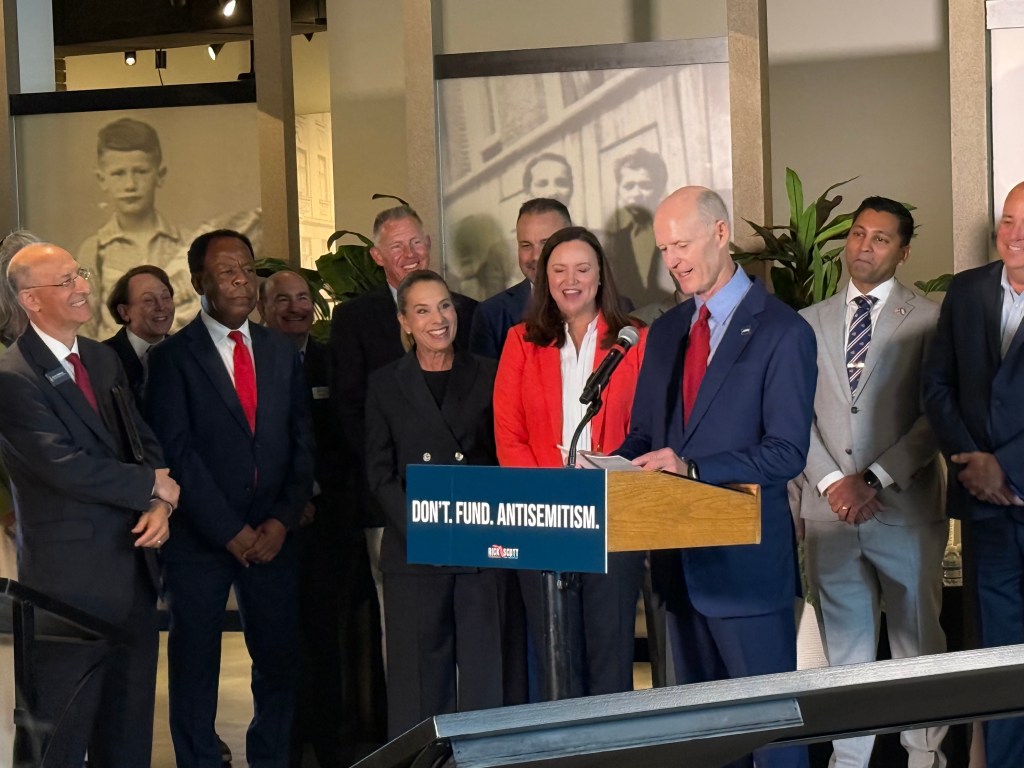
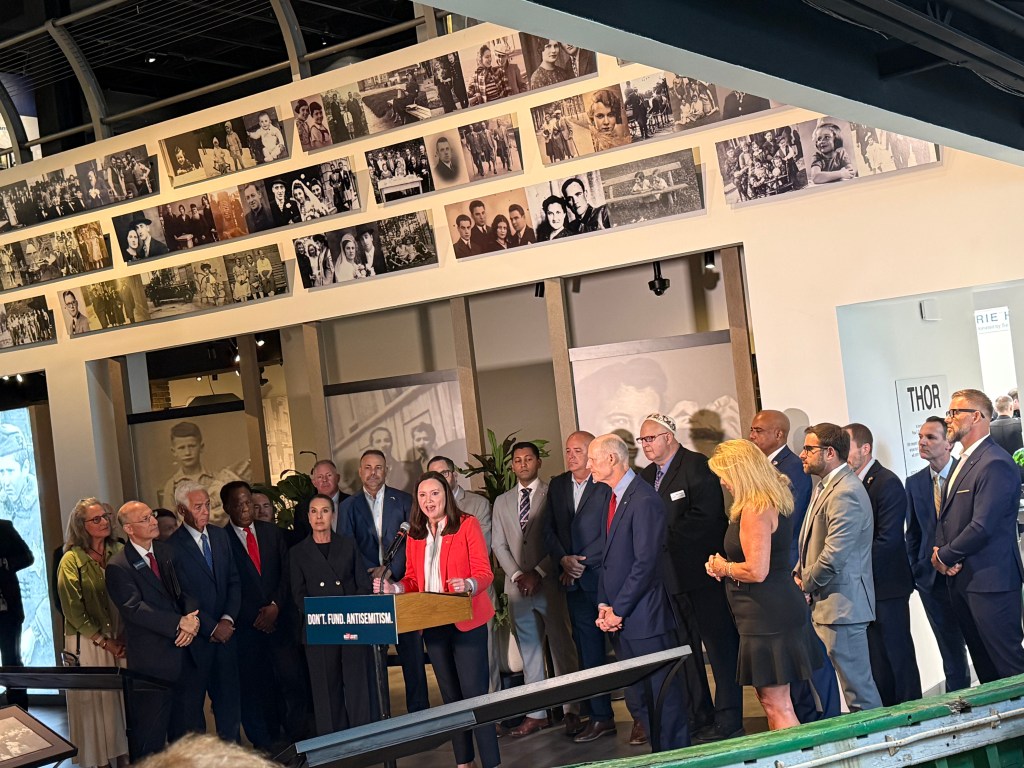
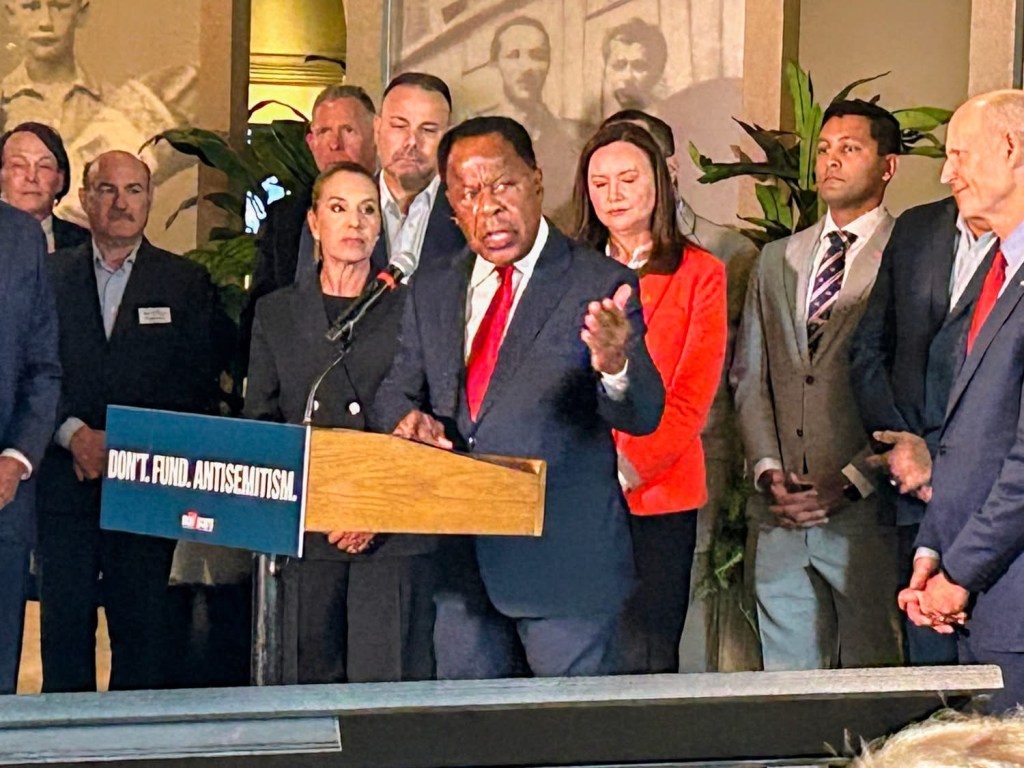
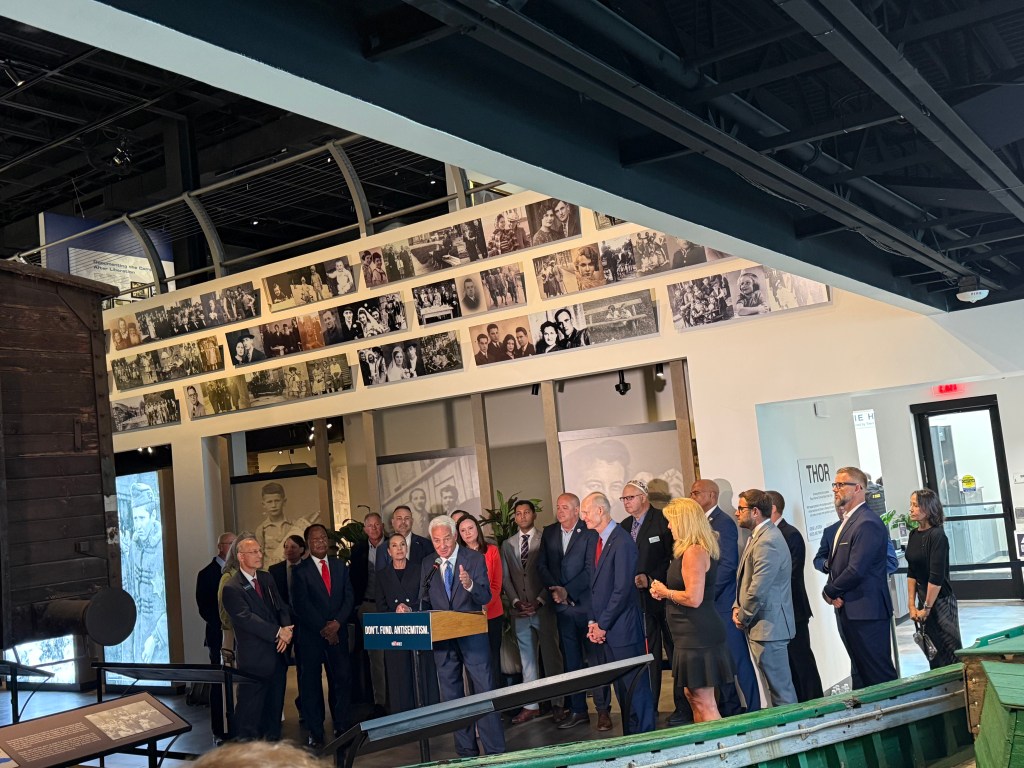
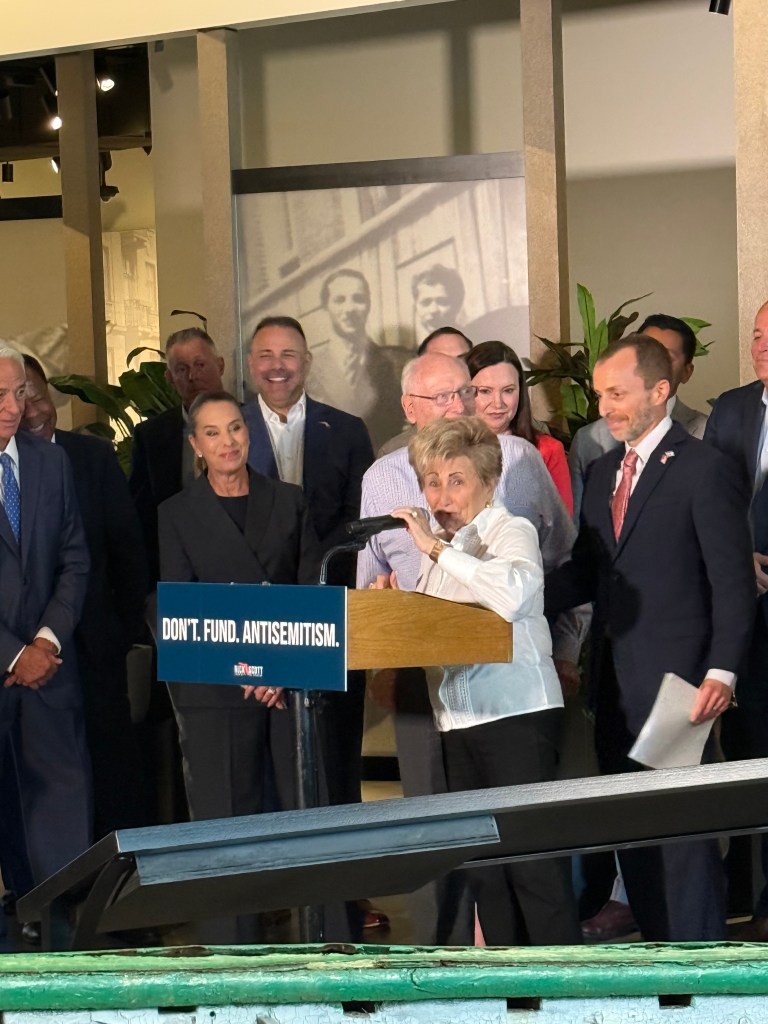
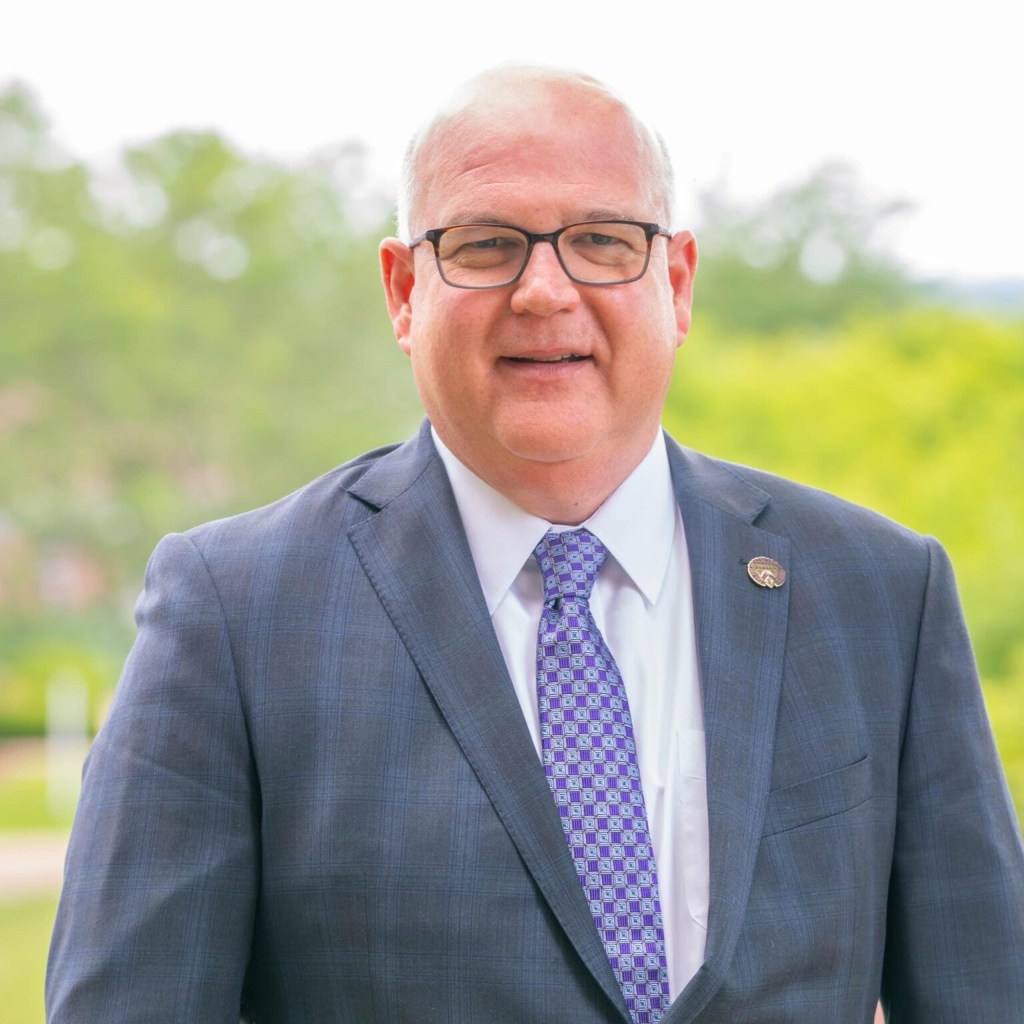

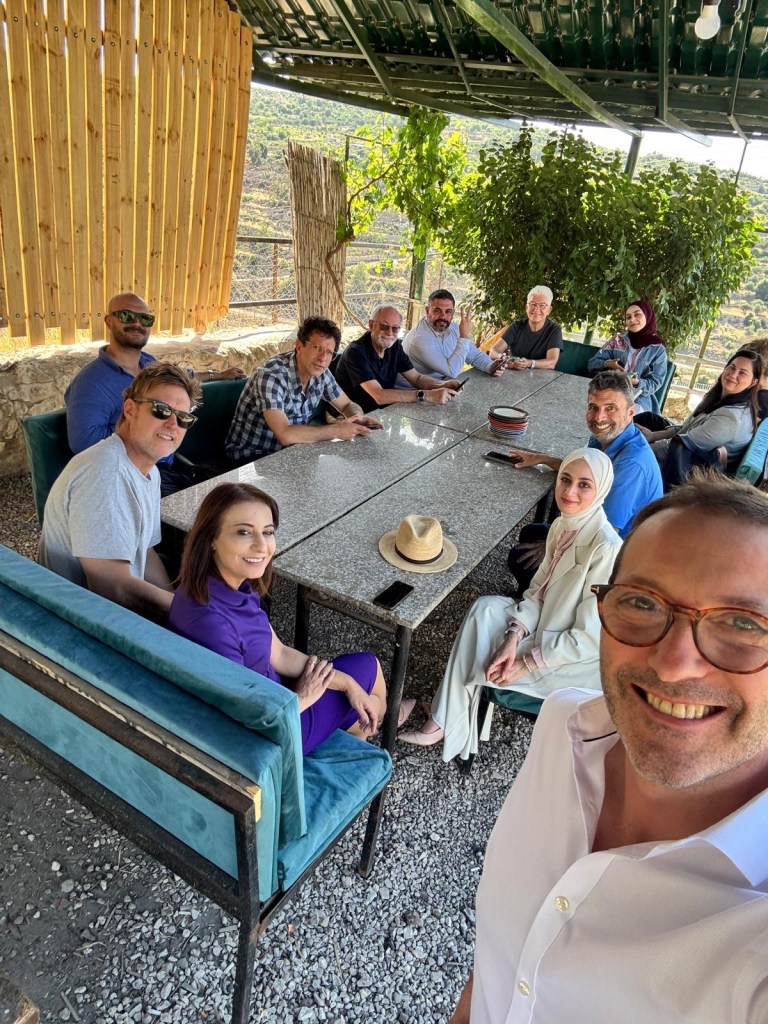
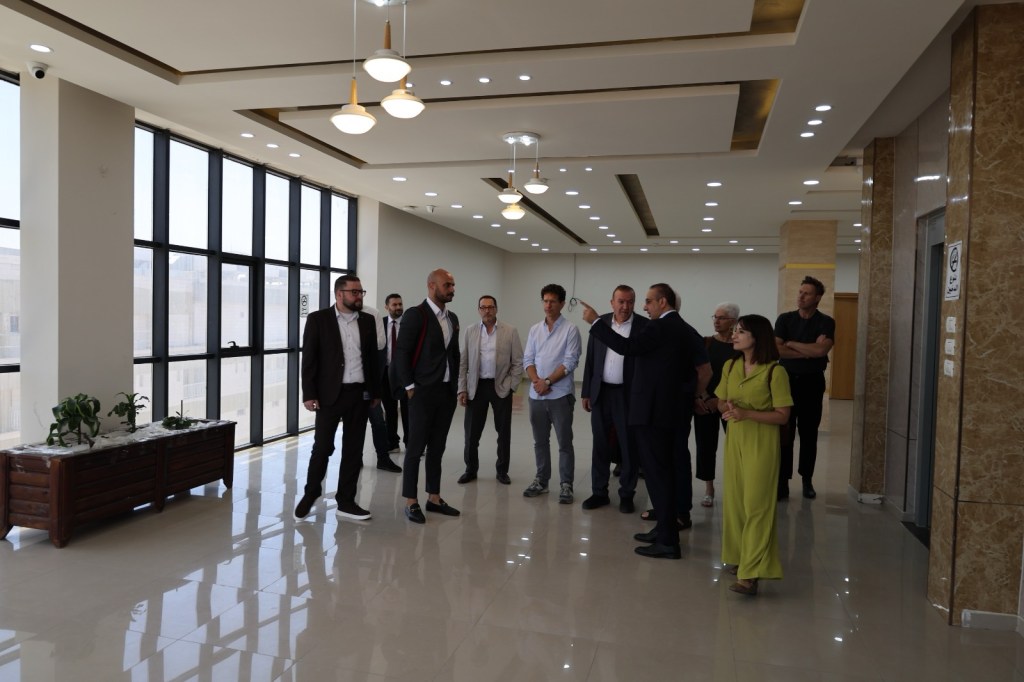
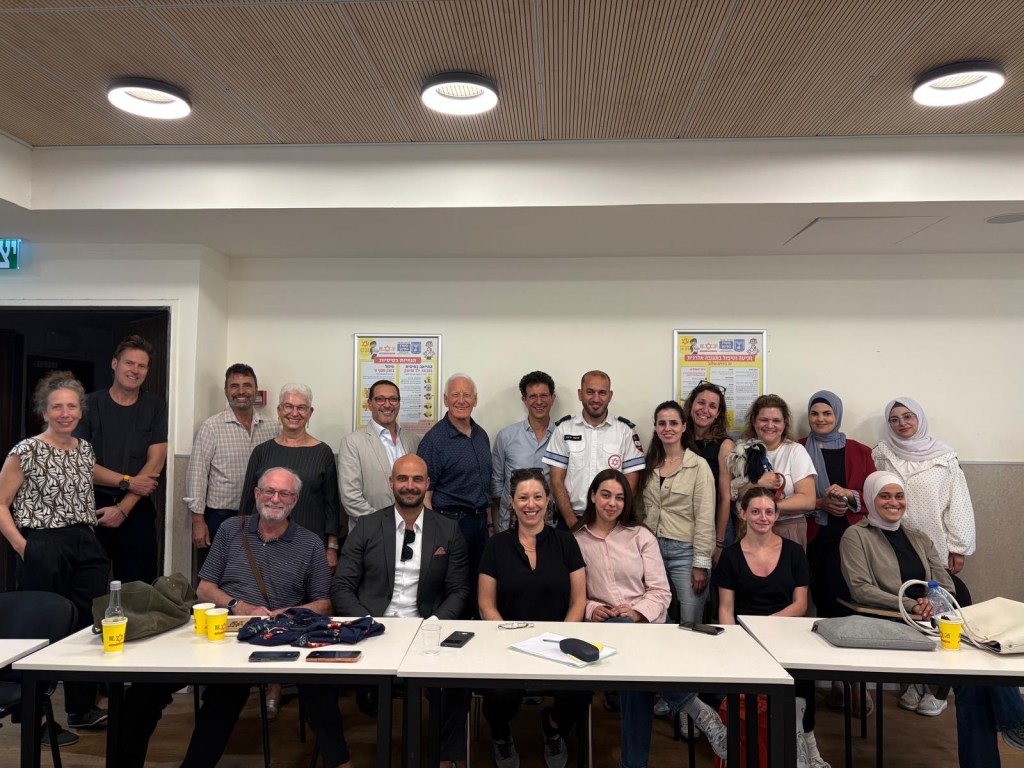
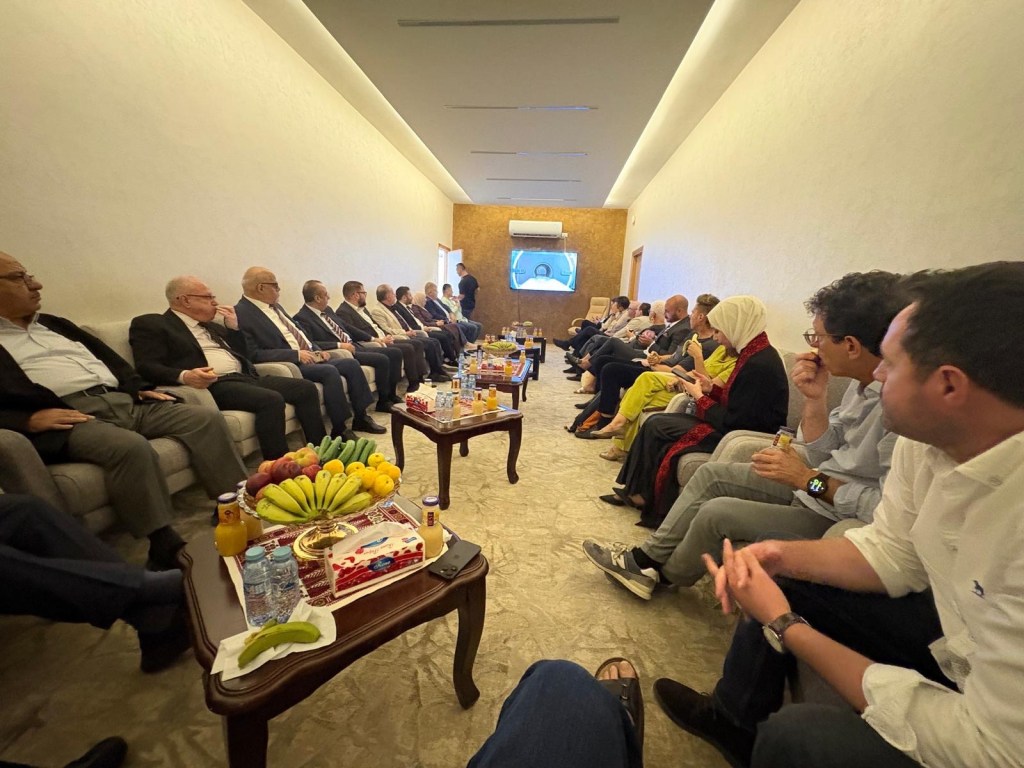
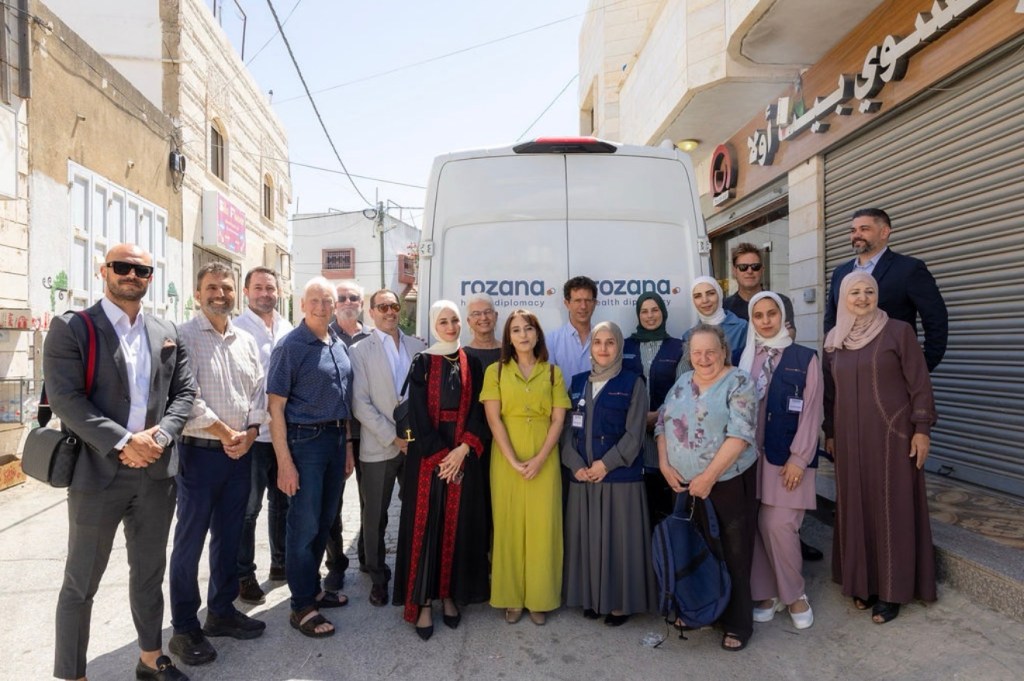
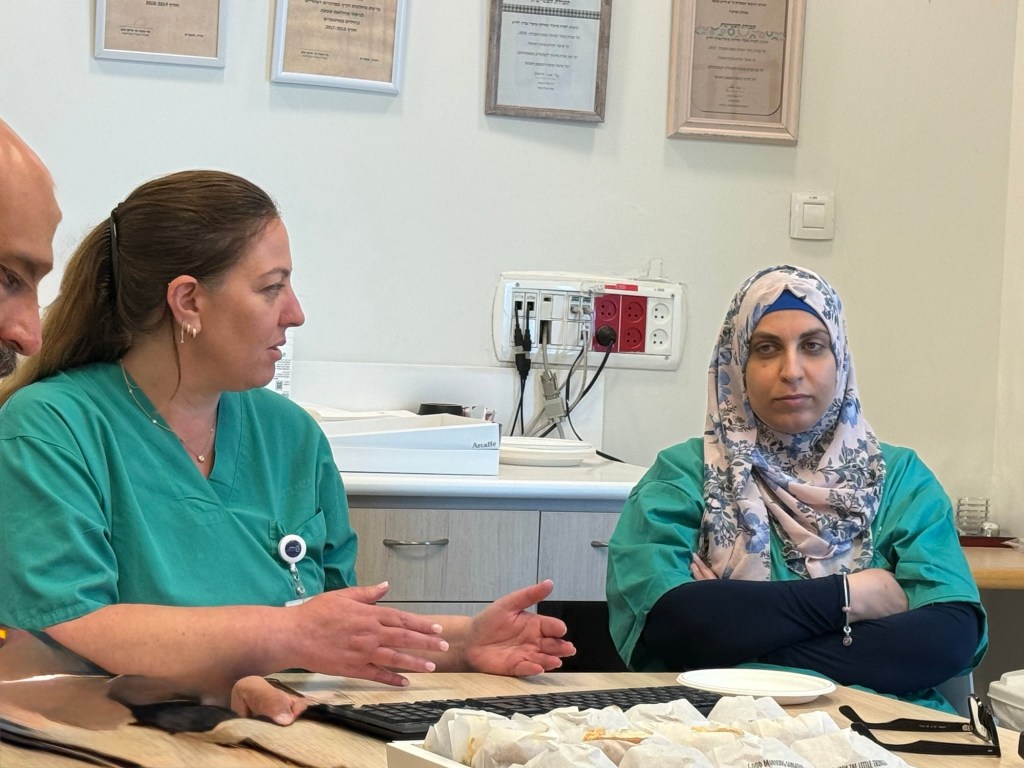
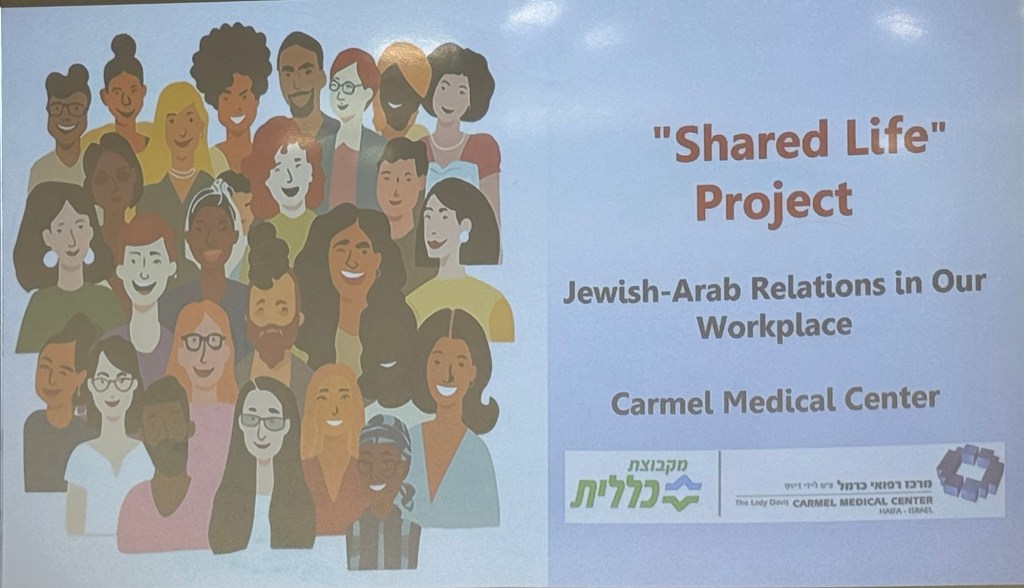
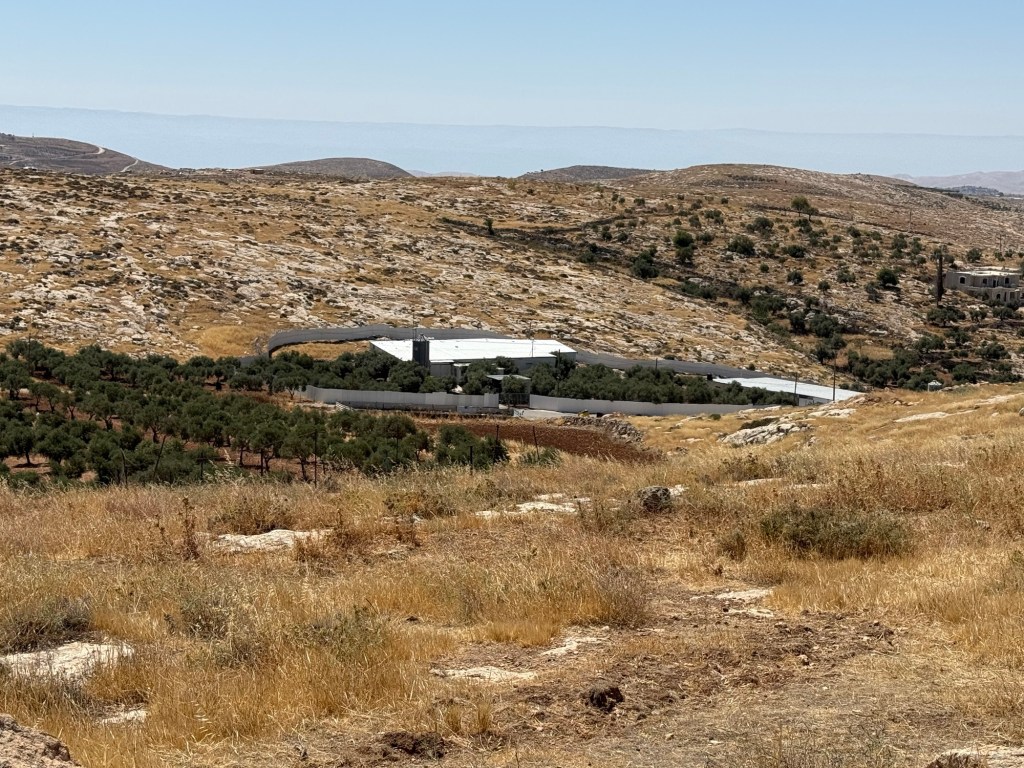
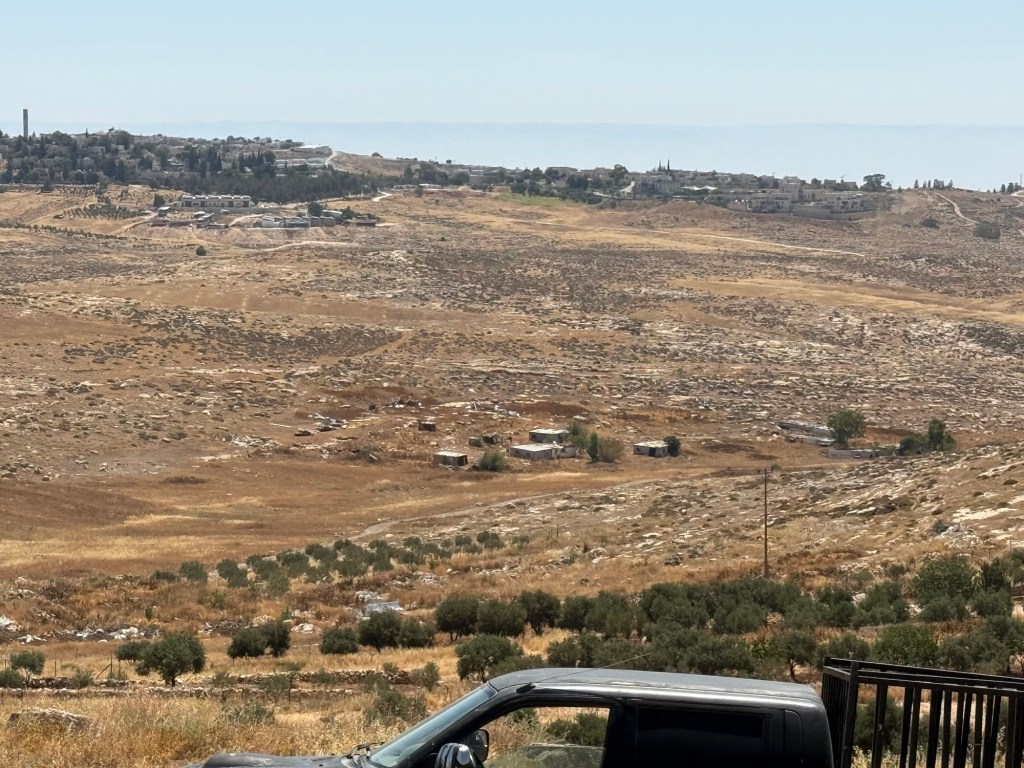
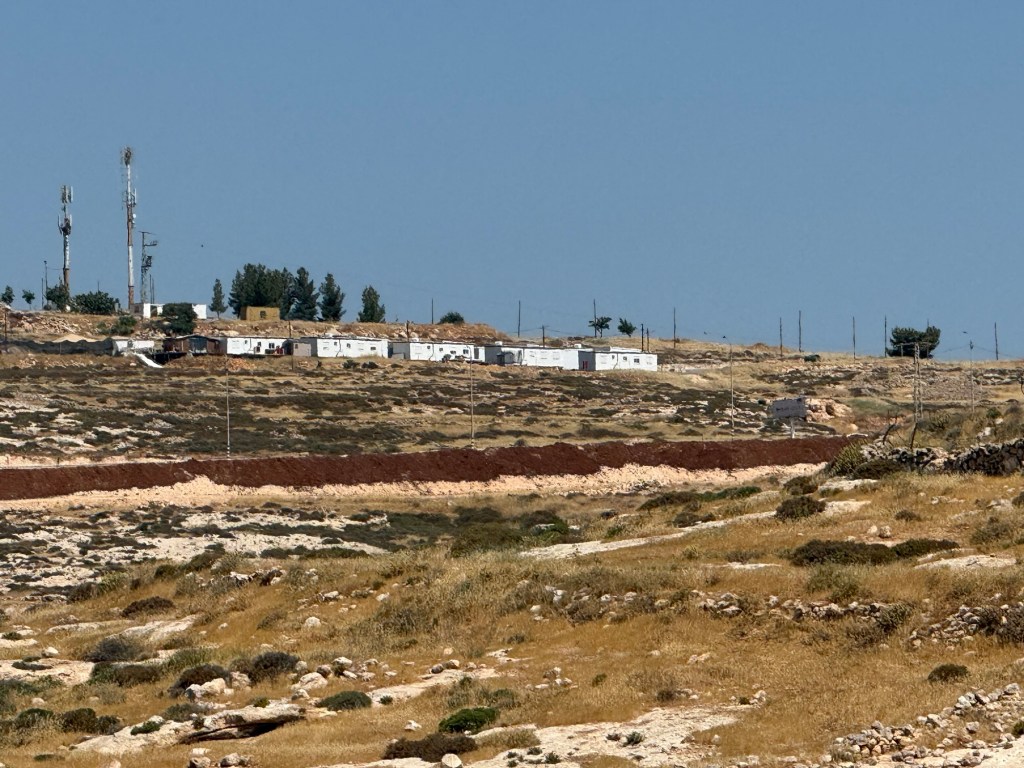
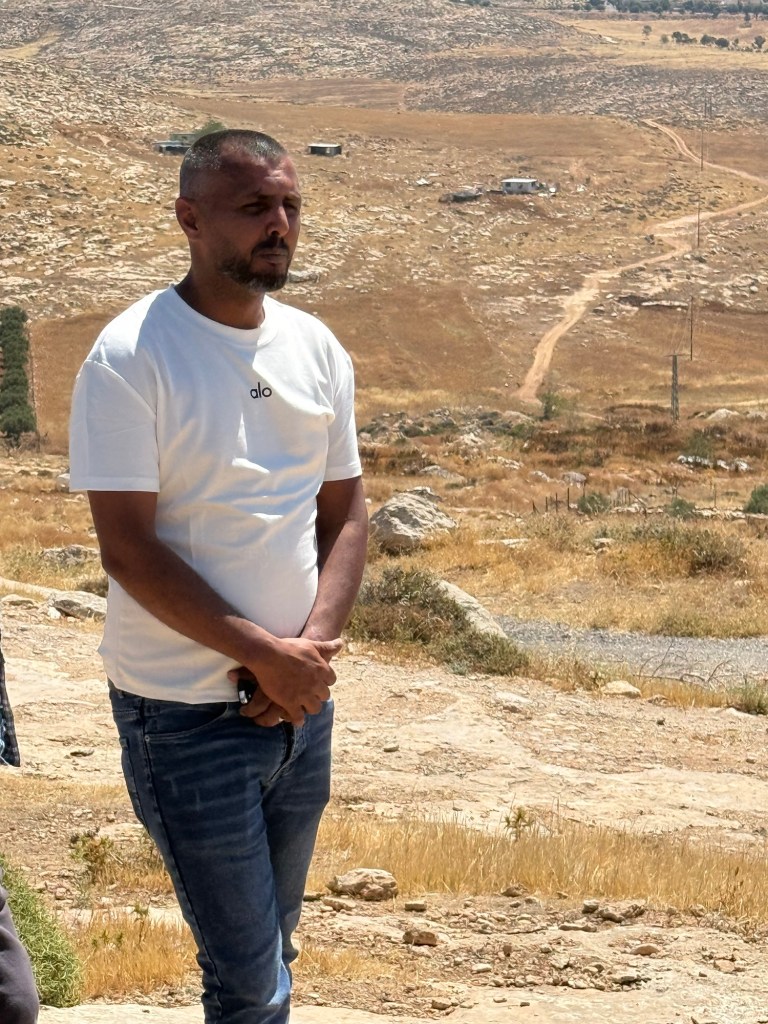
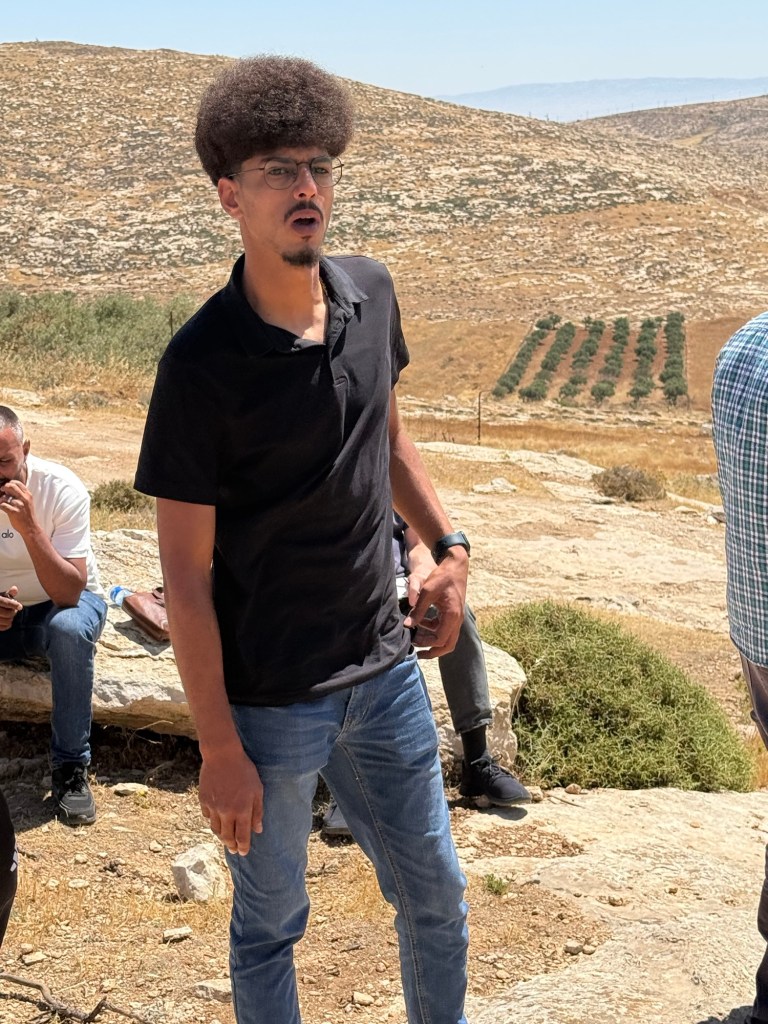
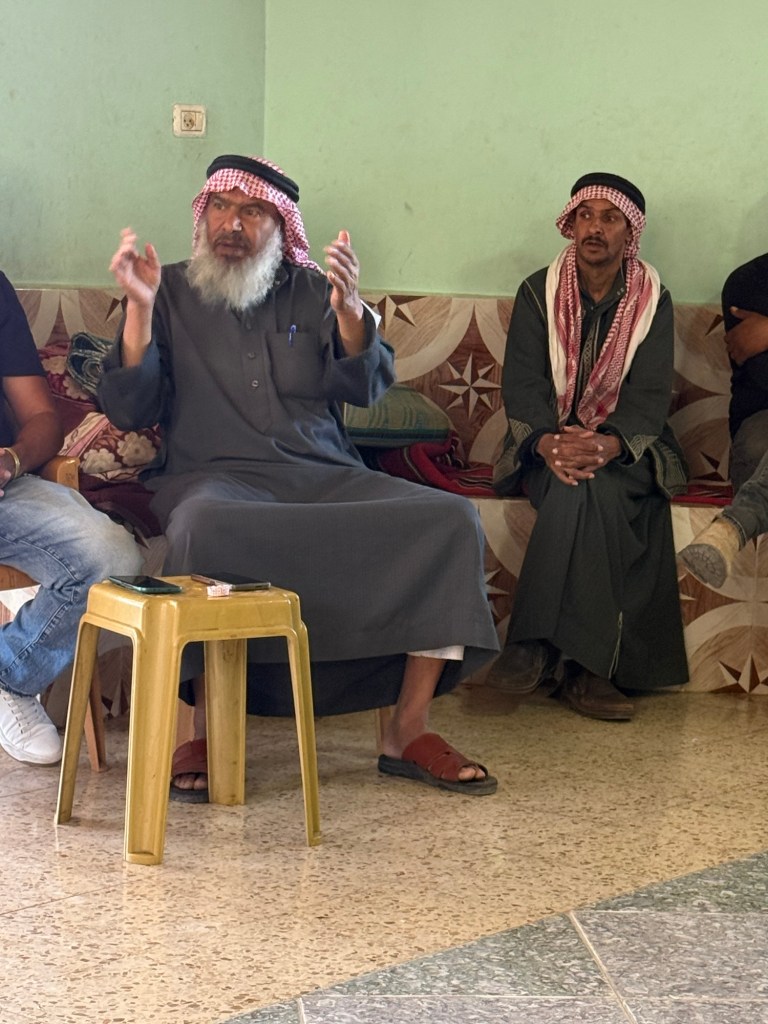
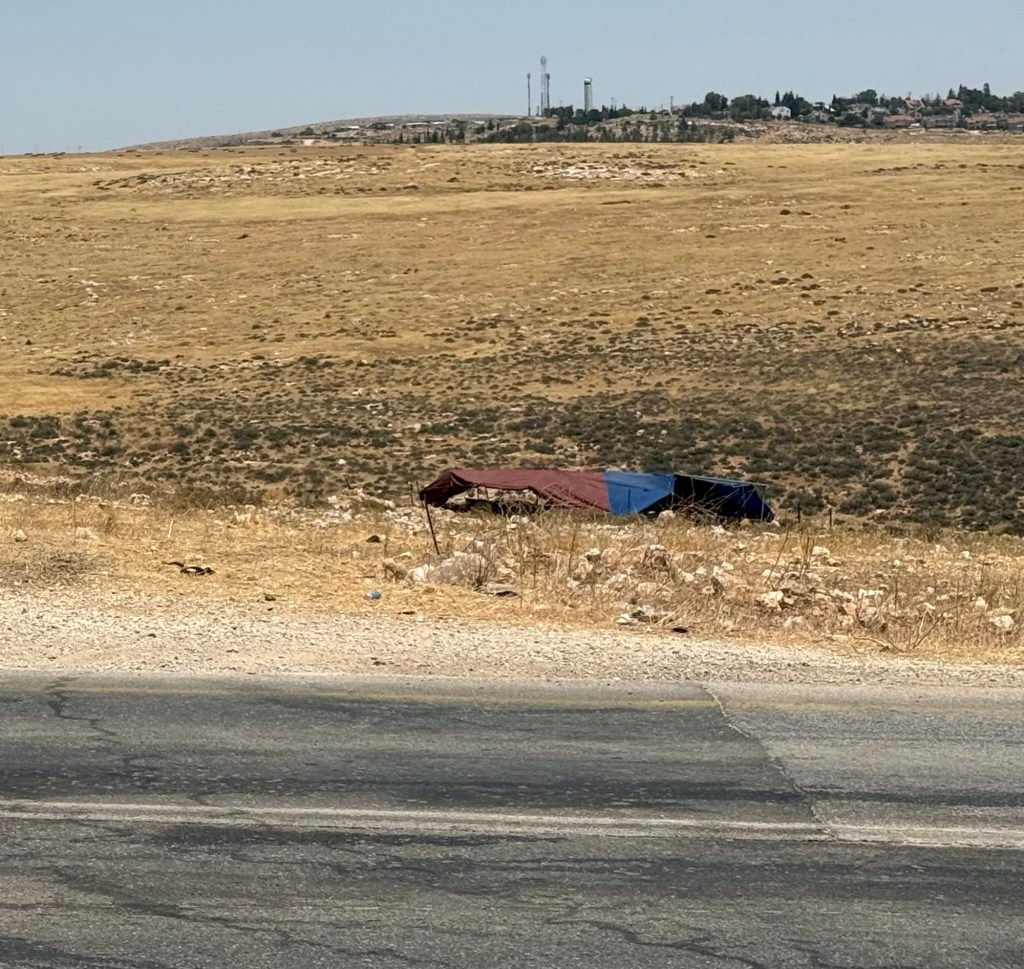
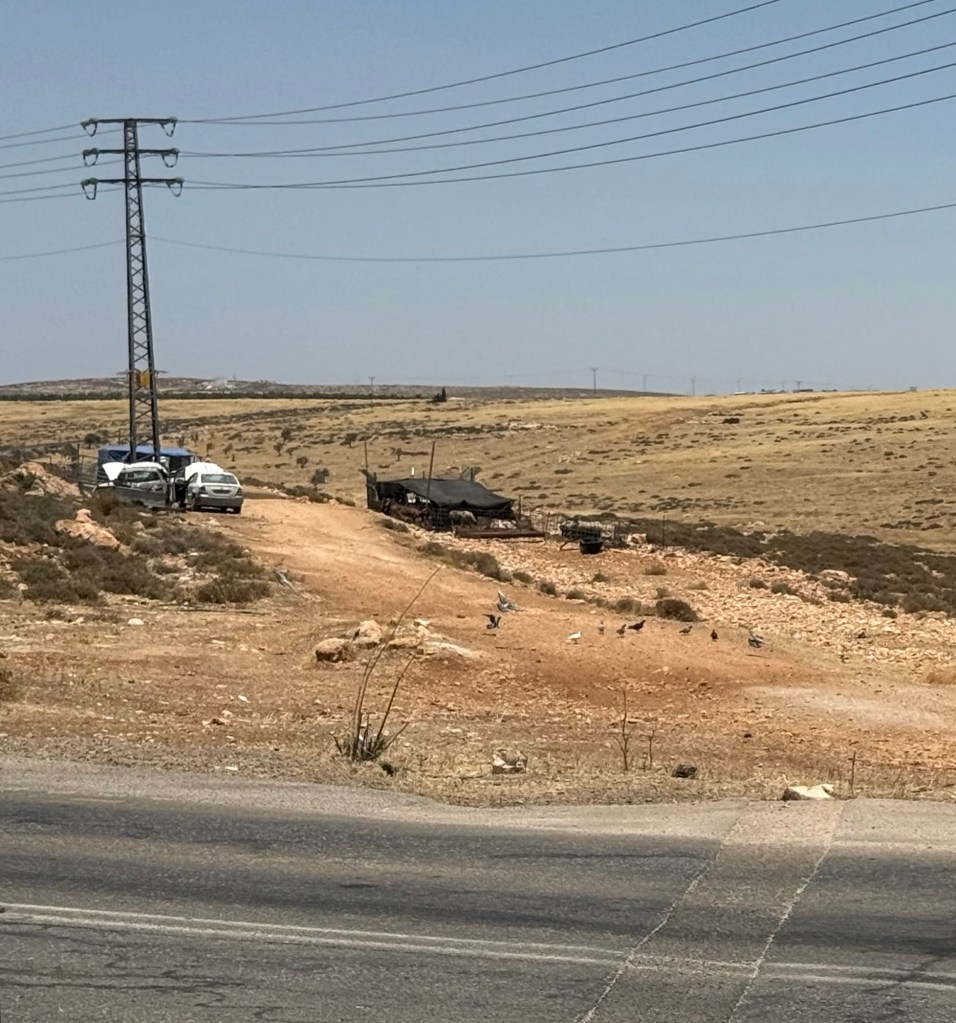
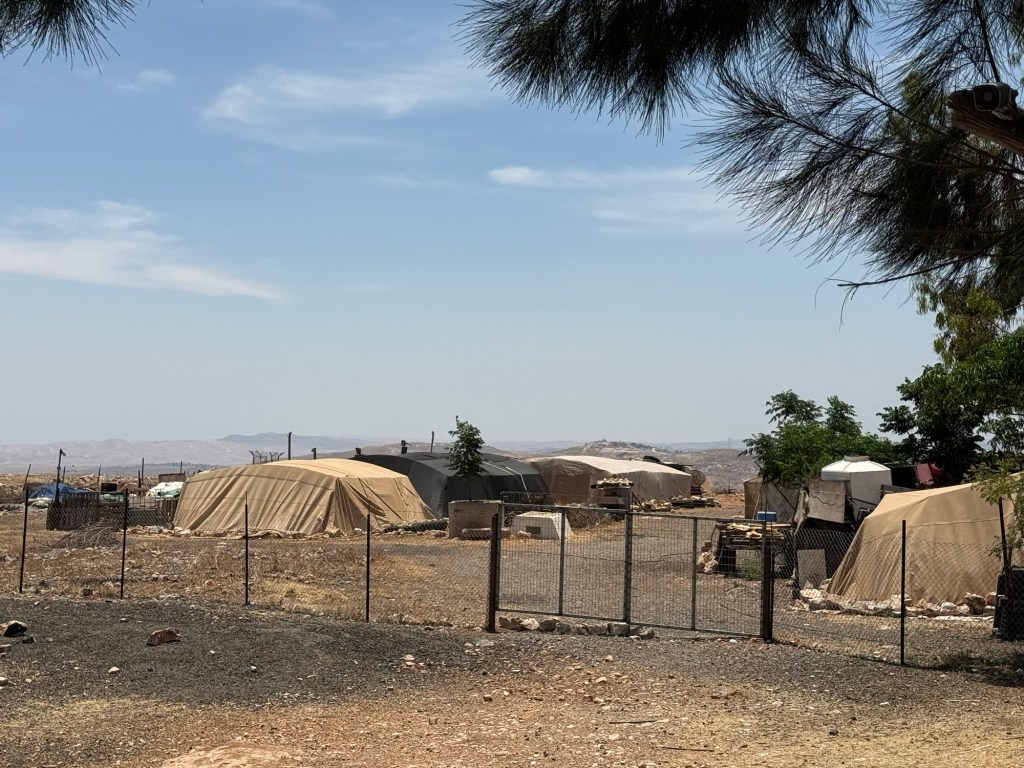
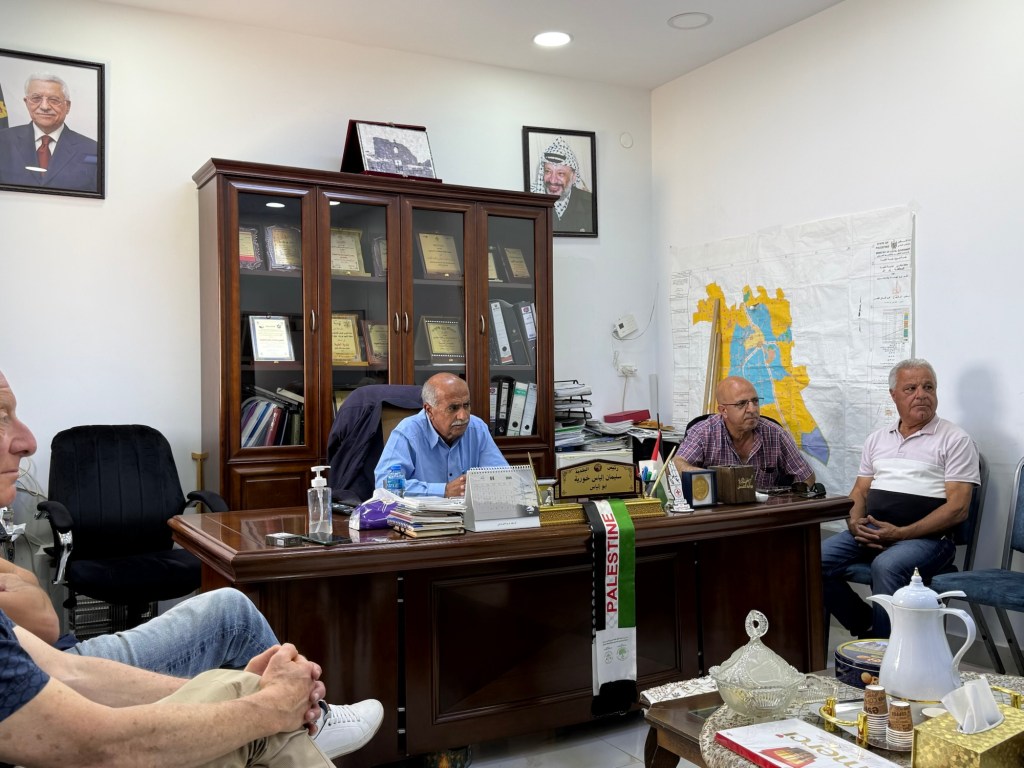
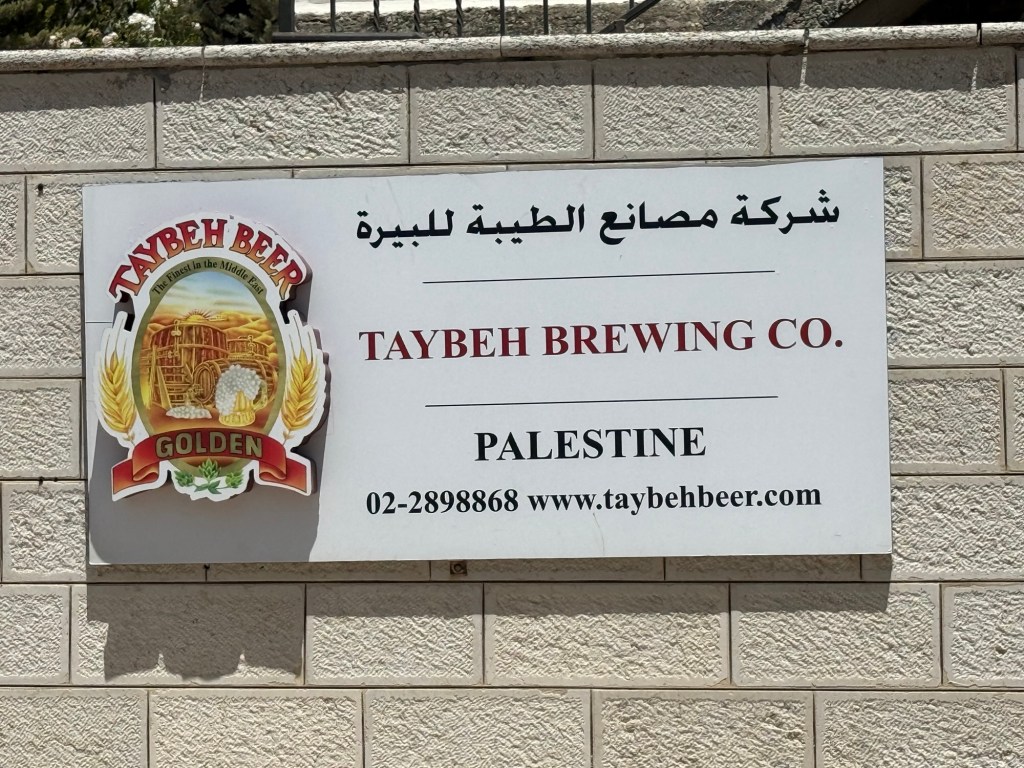
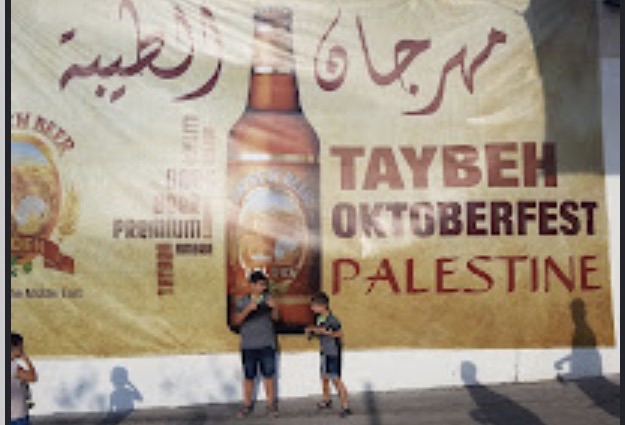

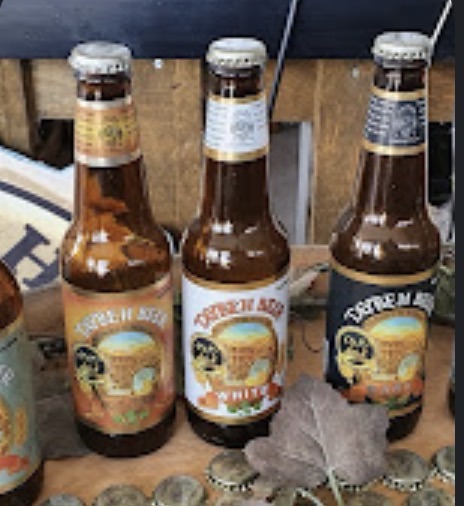
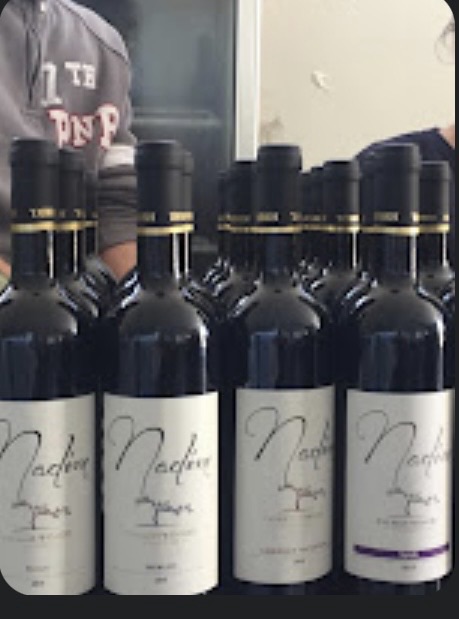
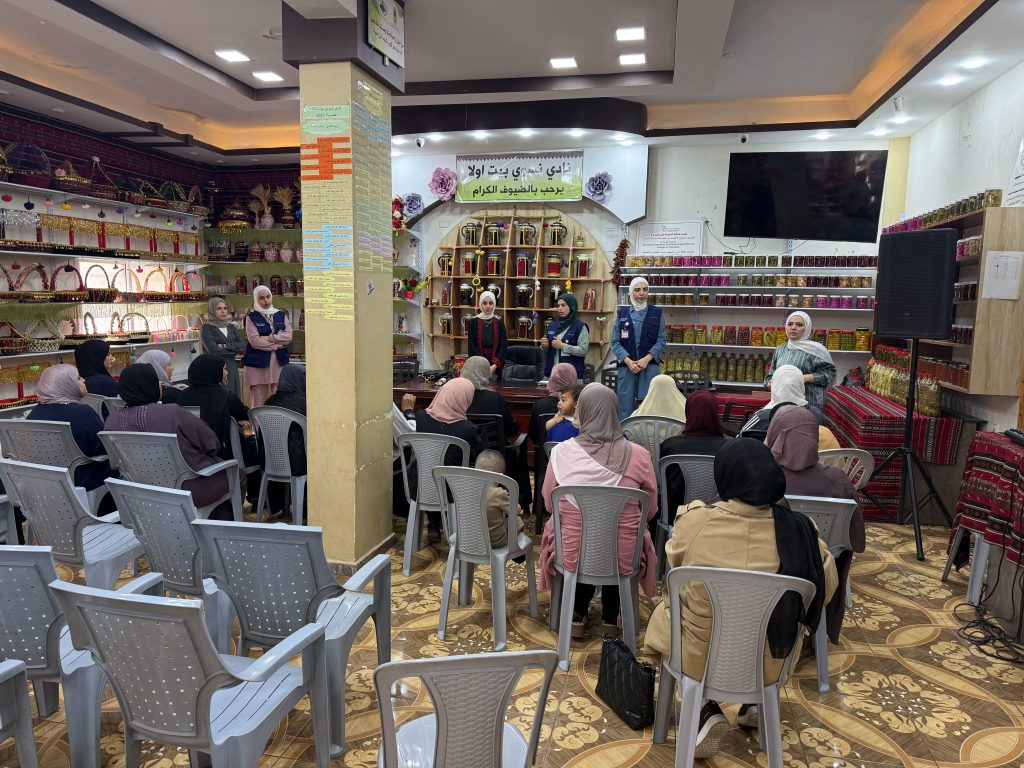
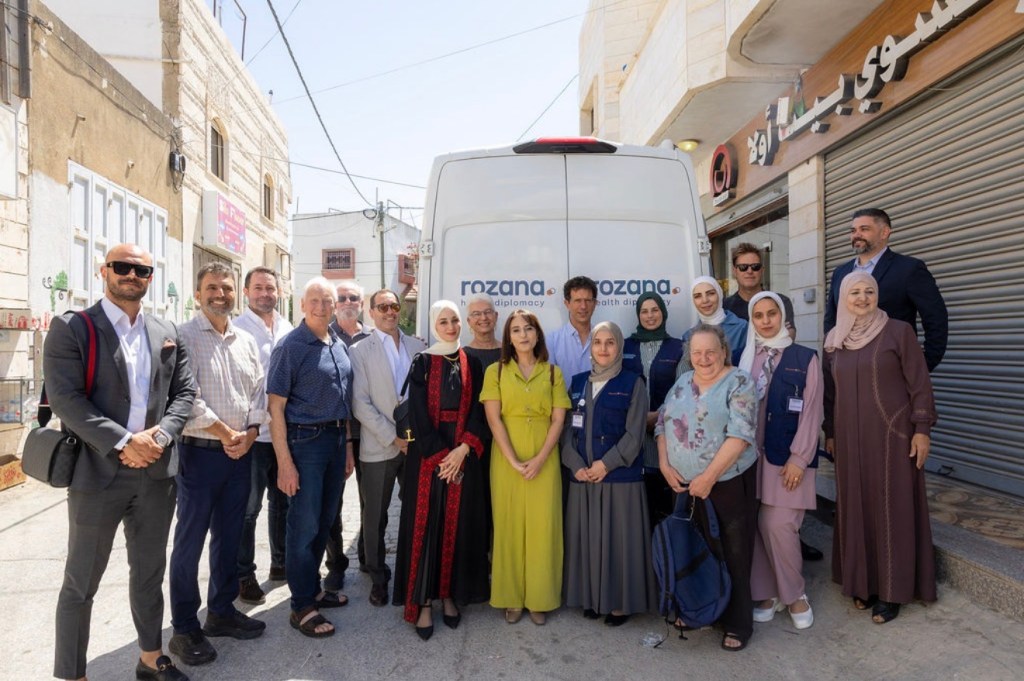
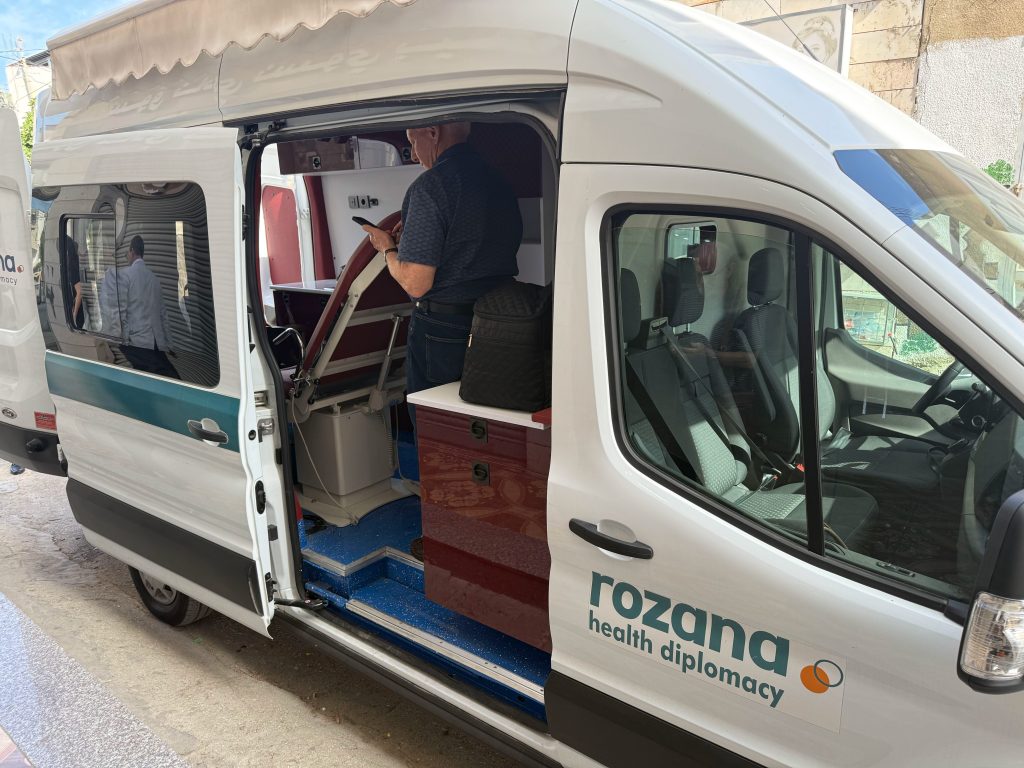
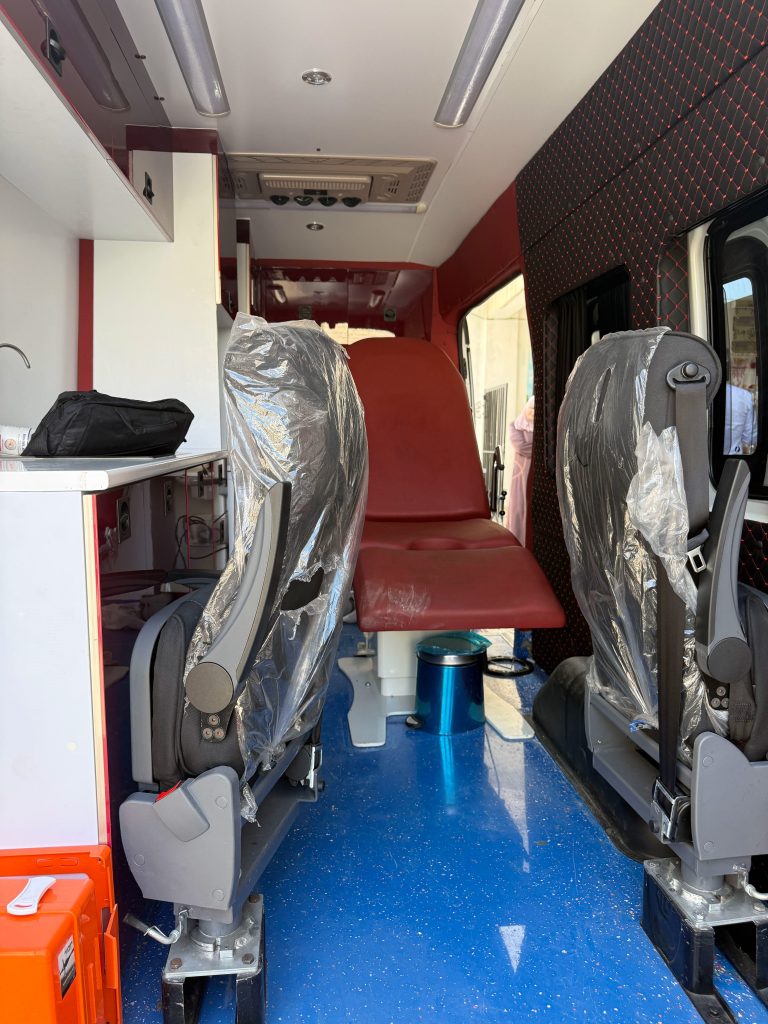
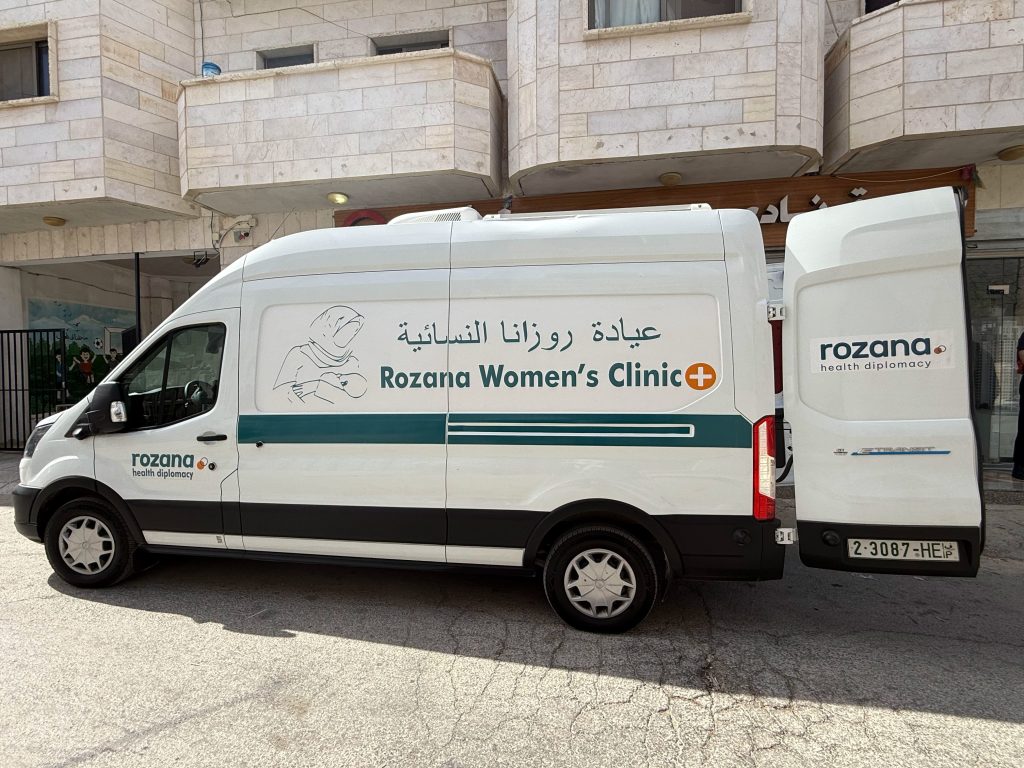
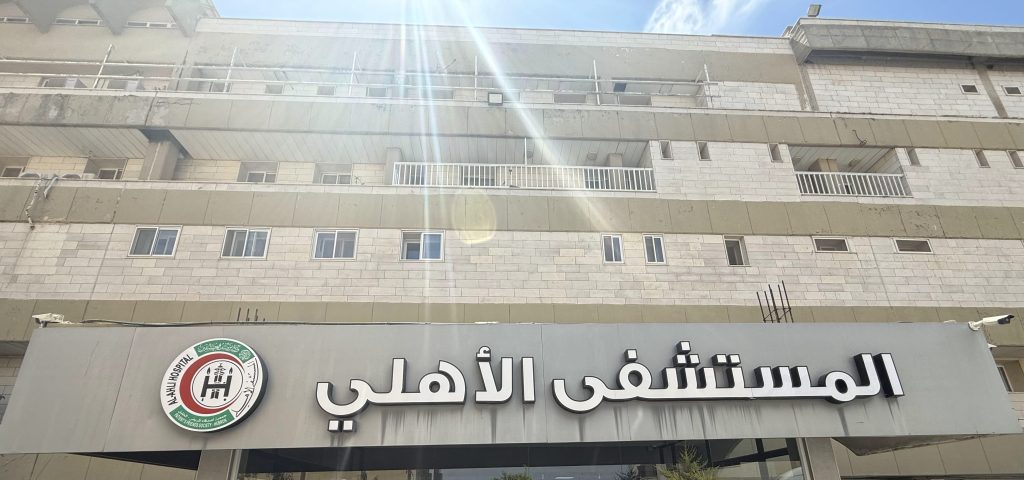
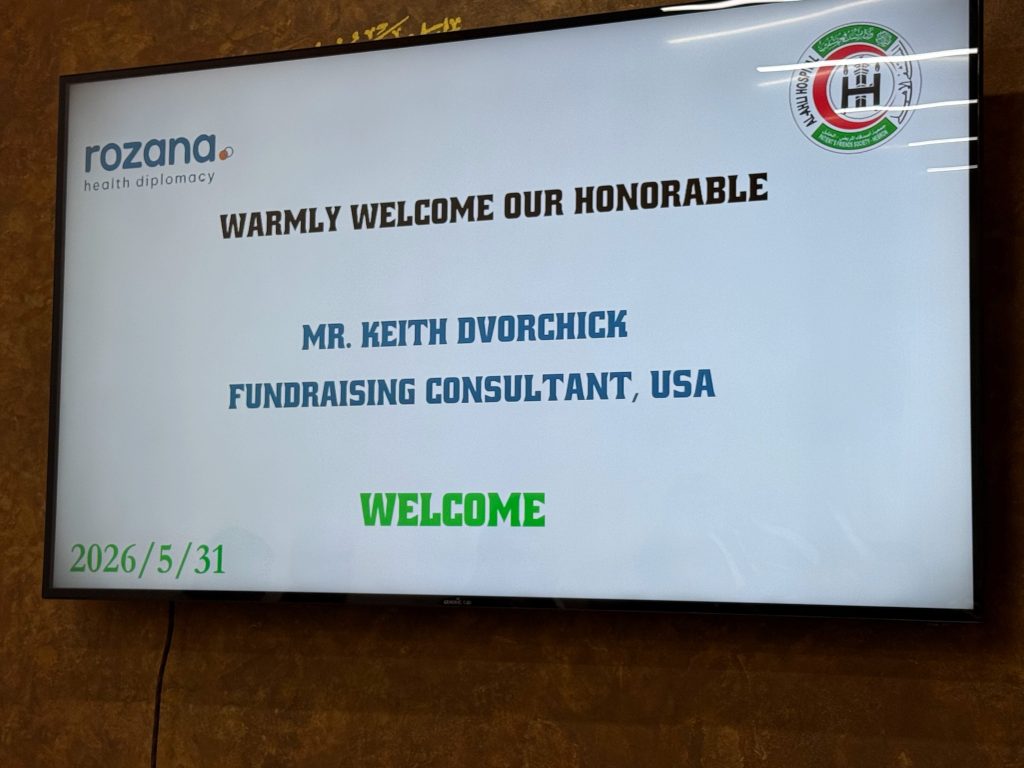
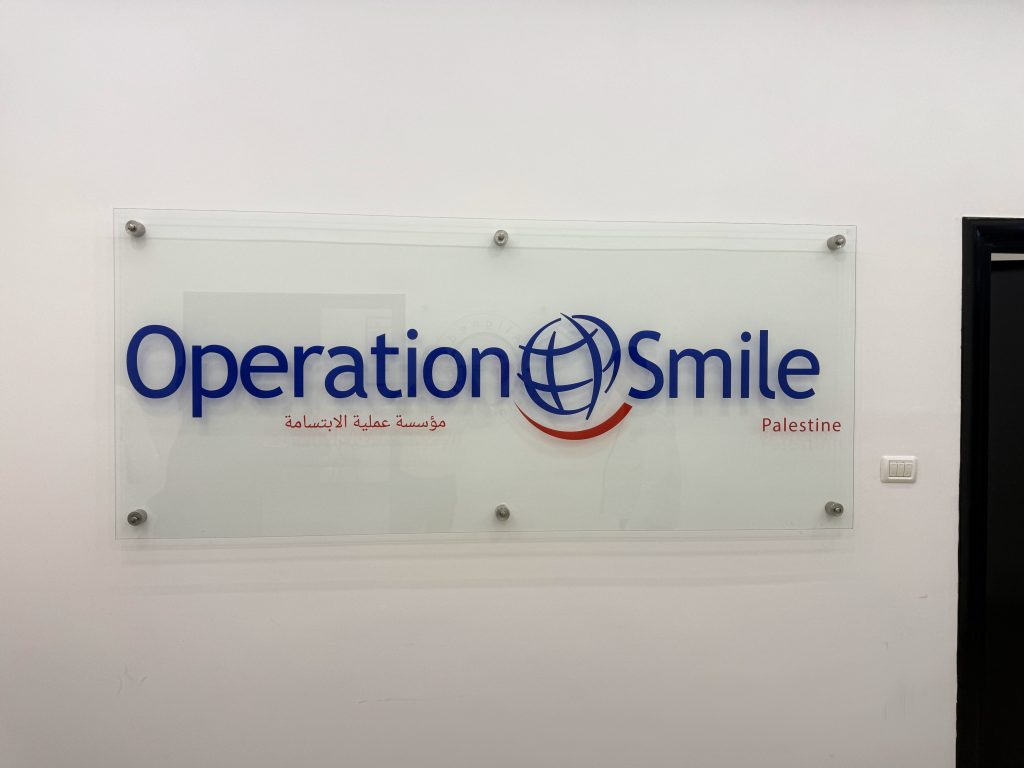
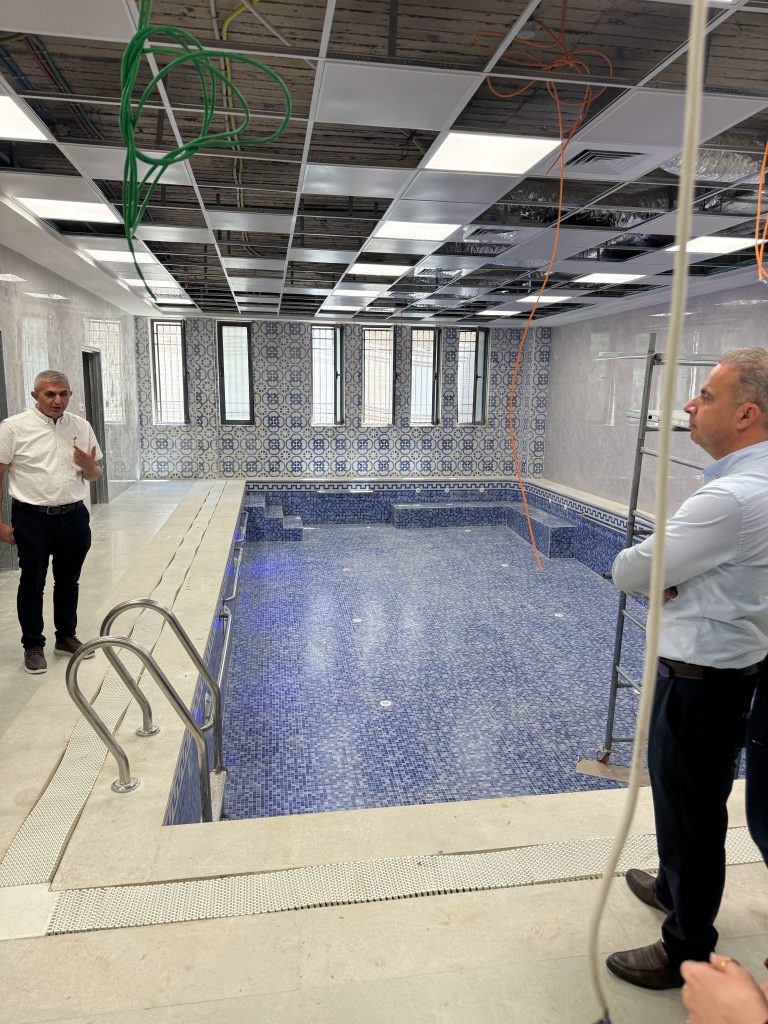
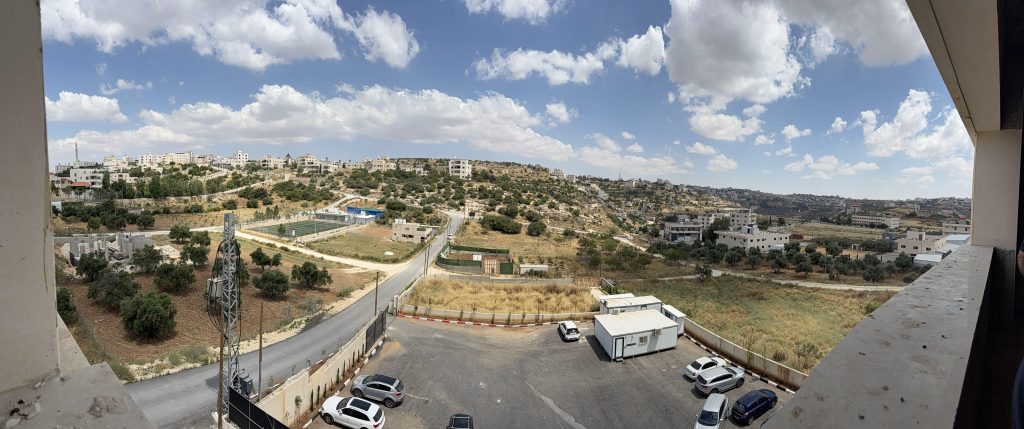
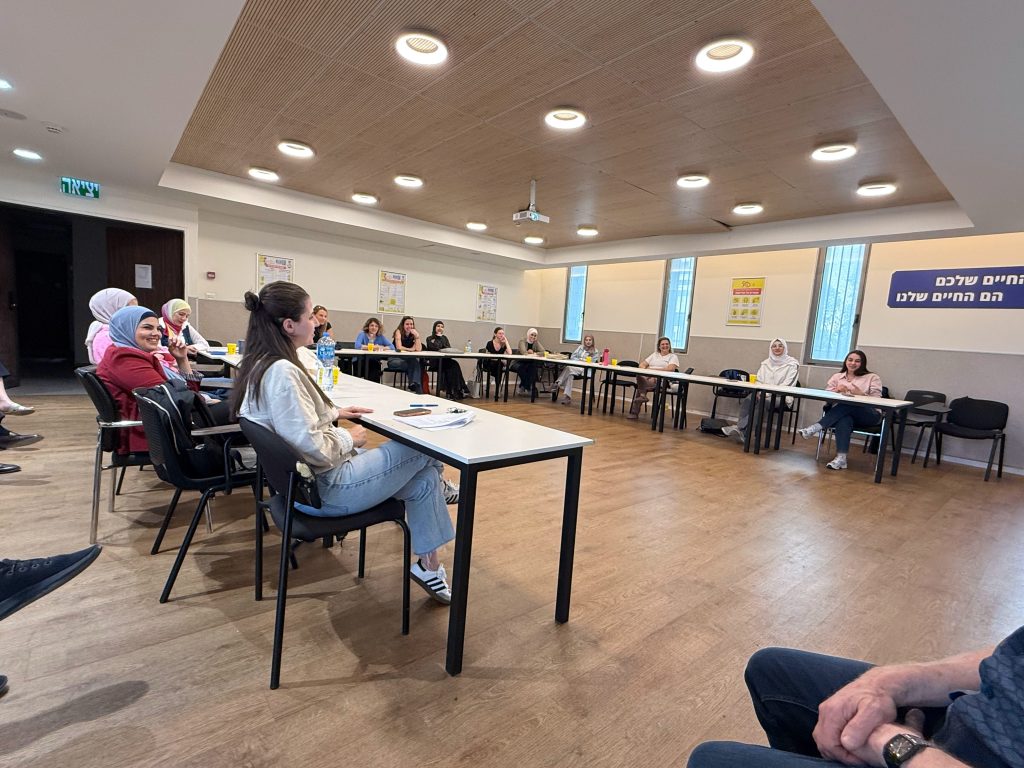

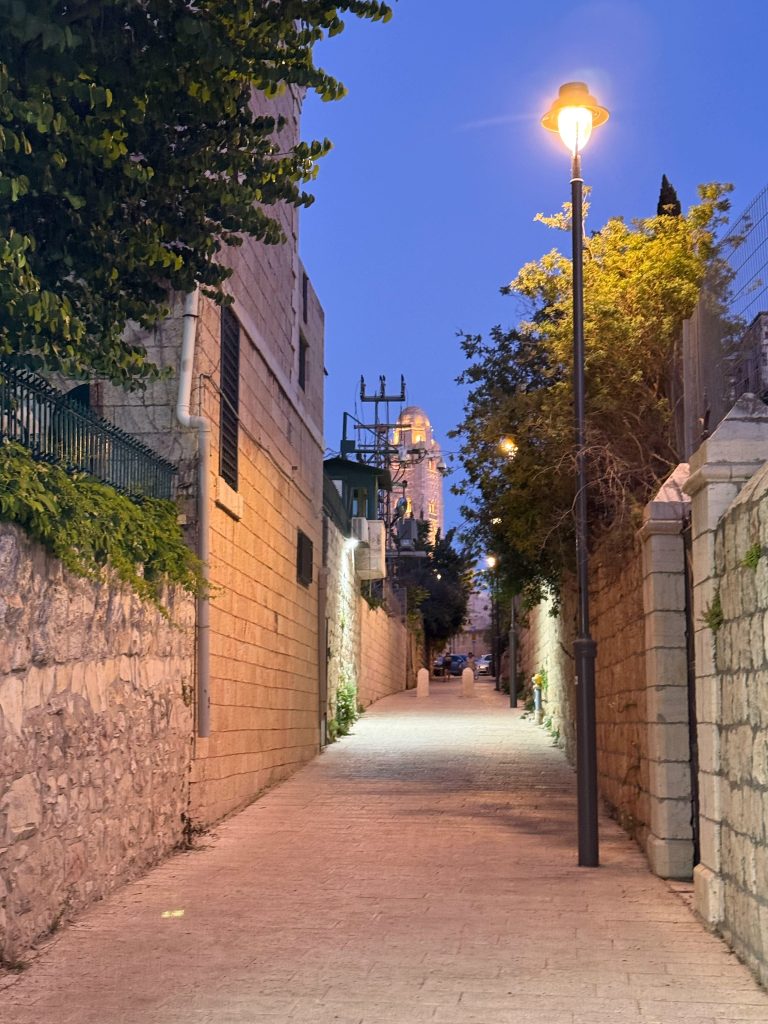
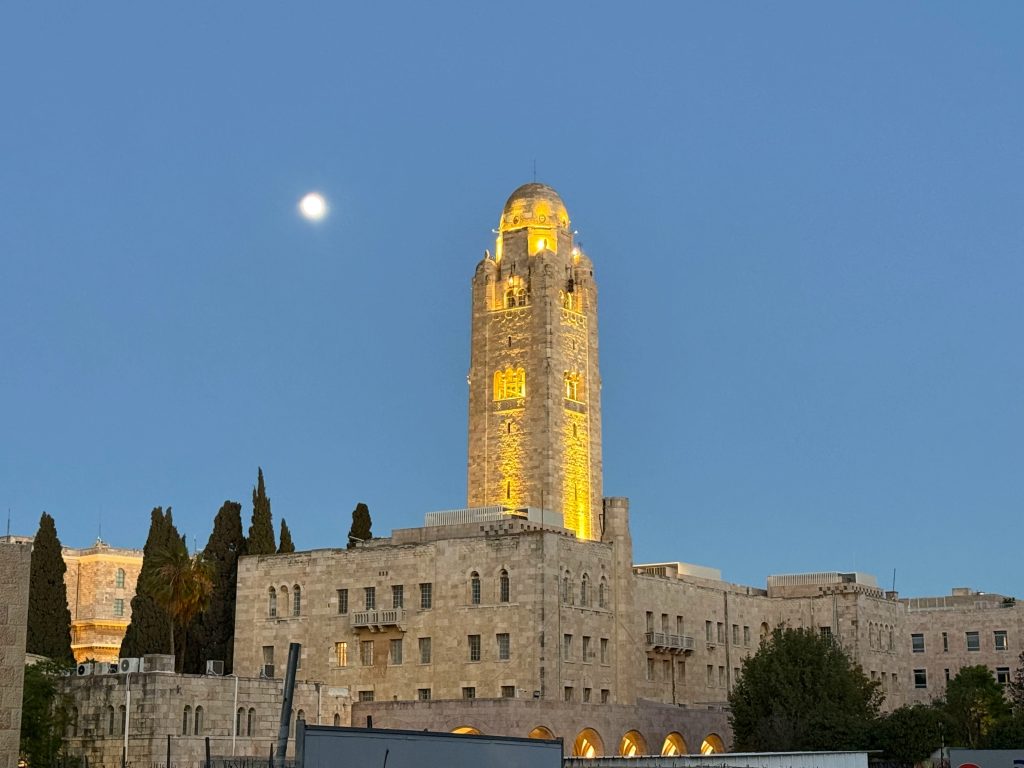
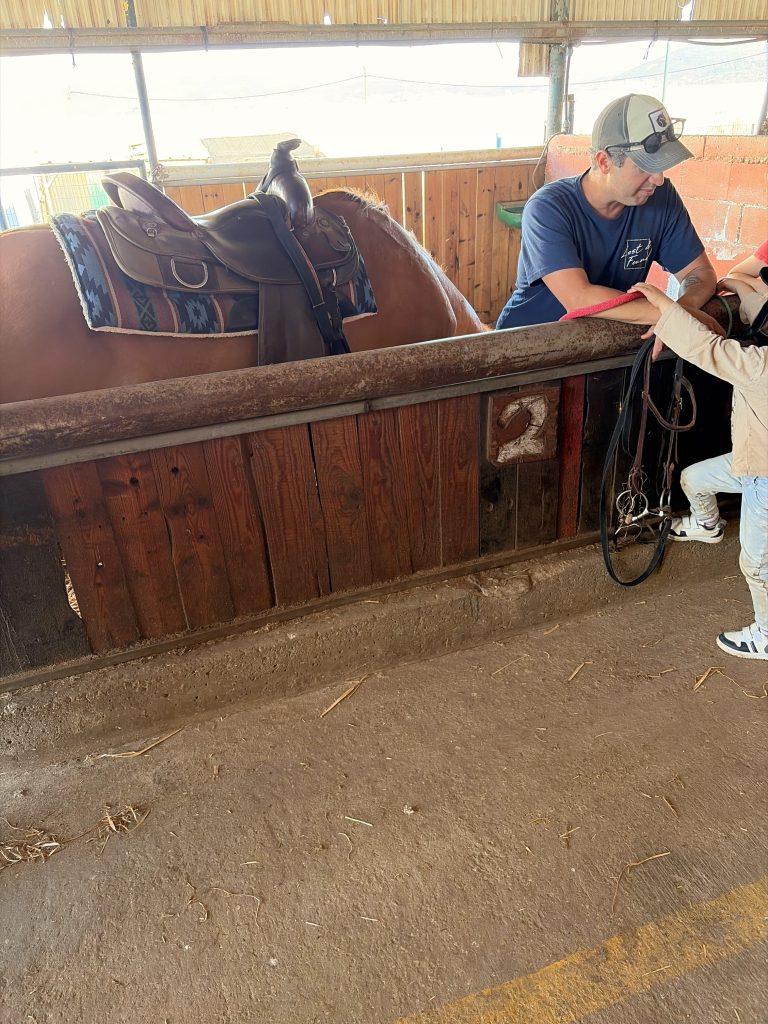
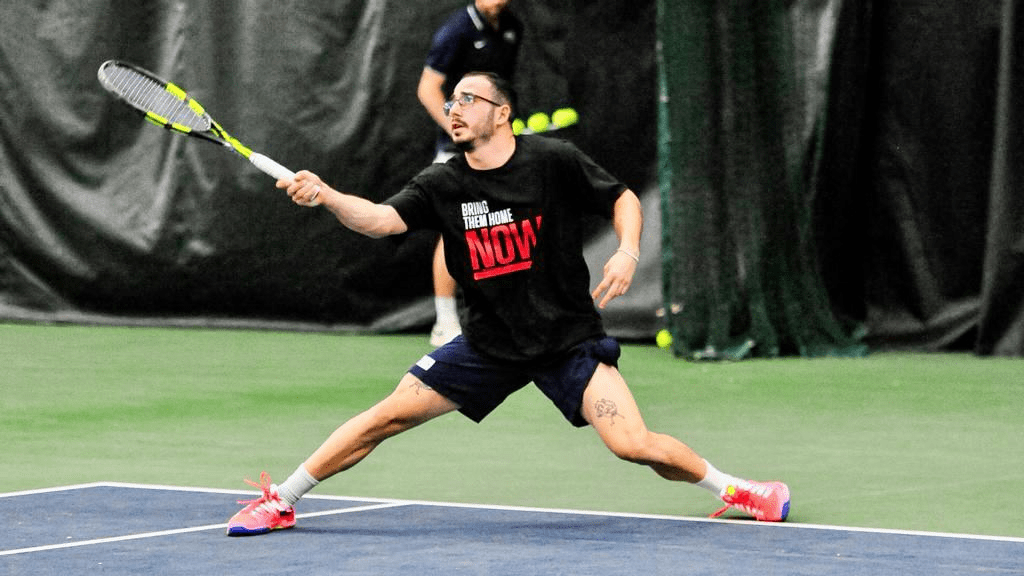
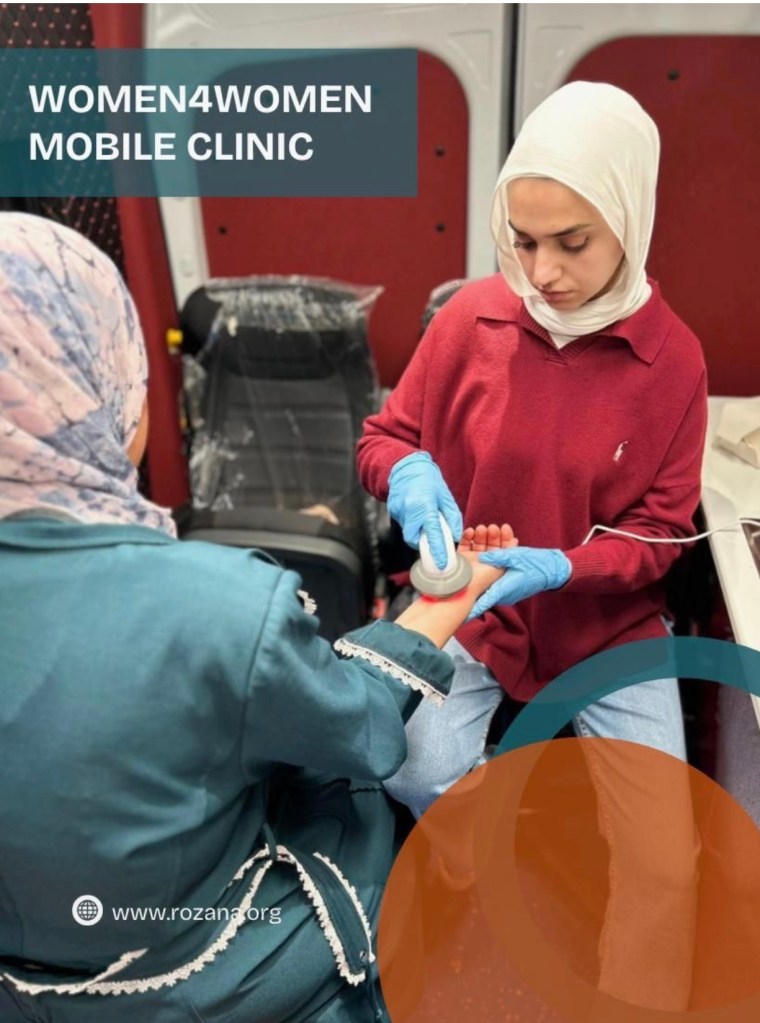
 keithdblog