Lessons to make me a better person

Shabbat (the Sabbath) is an interesting concept.  A day of rest.  A day where you don’t do work.  A day of reflection.  What is it really and what do words like rest, work, and reflection actually mean? 

I have never found an interest in ‘keeping shabbat’ (following all the rules) in a strict sense.  Not turning on light switches or the using the remote control never made sense to me.  Driving isn’t really work, is it?  You turn a key or push a button and it starts.  After that, what’s the difference?  Not turn on the oven or stove.  Why can’t I push buttons on the microwave or the air fryer?  And not carry?  Why do pants have pockets anyway? 

When I am in Israel, Shabbat becomes a little bit clearer.  I typically find that I look forward to it for a number of reasons.  First, by the time Friday afternoon arrives, I am usually wiped out.  The thought of having a day with little to do and a chance to really unplug from the prior week is attractive.  Going to the Kotel (Western Wall) for Shabbat services is always fun and meaningful.  You’ll hear more about that later.  A nice dinner with friends that is leisurely and relaxing?  Sign me up. 

On this trip I had the privilege of learning from three amazing people.  As we were walking back to the hotel on Friday after an amazing morning at the Begin Center, I started asking Lori Palatnik, the founder of Momentum, about Shabbat.  I understand the prohibition about not working and a day of rest, but my definition of work isn’t starting and driving a car, turning on the stove or oven and cooking, turning on the TV, changing channels and watching shows.  So how does that reconcile?  Lori taught me something interesting that I am still chewing on.  She told me that there is no prohibition against work.  That is a wrong interpretation.  The prohibition is for creating.  And the reason there is a prohibition against creating is that Shabbat is a chance to honor and recognize THE creator, God.  The reason she doesn’t do these things is because they involve creating.  On Shabbat, it’s all about our creator, God. 

It is an interesting concept to take a day each week and use it to honor and thank God.  I meditate and pray every day.  I have for more than 35 years.  I don’t use a prayerbook when I pray, it’s a quiet conversation with God.  Over the years it has gone from asking him for things that I wanted to thanking him for the things that I have.  When I meditate, it’s often in silence, just focusing on my breathing and paying attention to all the sounds around me.  I get in touch with God and with the world.  Sometimes I will do a guided meditation to mix it up and they are enjoyable as well.  But most of the time, my meditation is about getting closer to God. 

So what if I was to expand my practice of prayer and meditation to take a full day each week and focused entirely on that connection with God?  I don’t know that I’d go to synagogue or follow a formal process, but what if I were to unplug, honor our creator, and not worry about making anything for a day?  It’s an interesting question and one that I will ponder for a while.

I also had the opportunity to learn with Rabbi Yakov Palatnik, Lori’s husband.  I have seen him on other trips, but this was the first time I really got to spend time with him, and WOW!  I have been missing out.  This quiet and humble man is filled with incredible wisdom.  One of the things we discussed that really intrigued me was about prayer.  As a scholar of Maimonides (the Rambam), he told me that the Rambam said you need three things in a prayer.

The first is to praise God and acknowledge his greatness.  While I am not an overly religious person, that is something I always do.  One of my favorite things to say is that God often does for me, what I can’t do for myself.  I have seen that happen over and over again in my life.  Things happen that I hate and that I think are awful and I would get upset about.  A few days or weeks or months later, I would look back and realize it was the best thing that could have happened.  I know and understand the greatness of God and it centers me and gives me great comfort.

The second is to ask for what you want or need.  As I said, I used to do this but stopped.  In part this was because of my understanding of the greatness of God.  Who am I to ask?  I don’t know what’s best for me.  Isn’t it better to ask God just to take care of me and that’s enough?  Rabbi Palatnik said no.  He said we have to ask because we have to know ourselves.  If we don’t ask it means we don’t know.  Of course God knows, and we aren’t asking for him to know.  We are asking to show that we know.  We are asking because we have done our part and done the work.  That makes sense to me but it is still going to be uncomfortable to ask for things for myself.  That is because of the third thing that Rabbi Palatnik told me Maimonides required in prayer.

You have to say Thank You to God.  That I do every day.  I thank God for giving me another day of life.  Sometimes it’s saying the Modeh Ani, but most of the time it is just saying thank you for another day.  I say it at night when I go to sleep.  I say it throughout the day.  Part of the reason I struggle with asking God for things is because I know he will take care of me and I’d rather say thank you than ask for things that I may think I want but in hindsight I wish I didn’t get.  Saying thank you to God is comforting to me. 

It is an interesting process for sure.  Over the next few days, weeks, and month, I am going to follow Rabbi Palatnik’s suggestion to listen to the Rambam.  I’m going to work to make sure I include all three components in my prayers.  We will see what happens as a result.

Lori and Rabbi Palatnik and me. Two great teachers. One average student.

The third person I got to learn from was our trip leader, Saul Blinkoff.  Saul is an amazing man, and you can google him to learn more about him.  During Shabbat, he said two things that really resonated with me. 

The first is that what you will die for determines what you live for.  It’s a fascinating concept.  He shared the story of a woman in a concentration camp during the Holocaust.  The woman looked like she was ready to end her life when she walked up to the Rabbi in the camp and asked for a knife.  The Rabbi was shocked and worried about her.  She demanded a knife again.  The Rabbi didn’t have one and tried to talk to her.  She looked behind him and saw a member of the SS who had a knife.  She walked up to him, grabbed the knife, reached down to her leg and pulled a baby out from under her uniform.  She had recently given birth and was keeping the baby a secret.  She took the knife, performed a circumcision, a Brit Milah in Hebrew, entering her son into the covenant with God.  She then gave the knife and the crying, newly circumcised baby to the SS officer, turned around and walked away.  A minute later there was a shot and the baby stopped crying.  A few seconds later and the SS officer shot the woman in the back of the head.  She knew what she was willing to die for – to be Jewish and part of the Jewish people.  So she knew what she was living for. 

It is a powerful lesson and question.  What am I willing to die for?  What is so important to me that I would sacrifice my life for it?  I have started my list and will be thinking about this for a long time.  Once I know what I would die for, I will know what I live for and can make sure that’s what I am doing in my daily life. 

The other lesson Saul taught me on Shabbat was about the mezuzah.  I have had a mezuzah on my door for many, many years.  I know what it is, why it is there, what is inside it, what it says, where the commandment comes from.  One of my clients has a focus on the mezuzah so I’ve learned even more over the past few months.  And yet, Saul taught me something new and important.  He said that one reason the mezuzah is on the door is because it signals a transition.  When we walk into the home from outside, we need to leave our outside problems at the door.  It is a visible signal to change our focus to what is inside the house, our family, and go all in.  What a really cool concept.  A visible reminder of what is important.  This is one that I have already started using.  When I walk through a new door with a mezuzah on it, I think about where I am going to and what mindset do I need in this new space. 

Saul Blinkoff teaching us. What an amazing man and teacher. Lucky and proud to call him my friend.

Learning stuff like this to challenge my behaviors and beliefs is really cool (at least to me) but that isn’t the only special part of Shabbat.  As I have said, I am not the most religious person and don’t really go to shul.  Ok, I don’t go to shul unless it is a family simcha (celebration).  In Israel, I don’t want to miss Shabbat at the Kotel (Western Wall).  It is joyous, fun, exciting, and meaningful.  There are so many different types of Jews there and so many different services going on.  And you never know who you are going to see.  This Shabbat was no exception.  As we got to the Kotel and began our service, I looked ahead and saw Rabbi Lipskier from Chabad at UCF.  I quickly made my way over to him to give him a big hug and to wish him Shabbat Shalom.  Only in Israel!  I returned to our group and the singing and dancing began.  We were a group of about 25-30 men.  This is small on Friday night at the Kotel but as we sang louder and danced, we started seeing others come over and join us.  IDF soldiers in uniform.  Hassidic men.  Men in Black hats.  Men pulling out their kippah from their pocket before they joined us.  Men with the big fur hat.  Men who looked like they belonged at a Grateful Dead show.  Even a little boy.  It was amazing to see all these different types of Jews join us to sing and dance.

When it was over and it was just our group again, I started thinking about how this was an allegory for the world.  If Jews of all different types can come together at the Kotel on Shabbat and not only pray together and separately but also join together in unification, why can’t we do it elsewhere.  Forget about the entire world, why can’t we do this in our local communities?  Why can’t we find different types of people who will be happy with their differences and yet also celebrate their similarities?  What can we do to make our local communities look more like the Kotel on Shabbat?  Different types of people enjoying both their differences and similarities.  That’s the type of world I want to live in.

My takeaway is really something else that Rabbi Palatnik taught me during this trip.  We have to be able to learn from everybody.  It is a fascinating concept that everybody has something to teach us.  It doesn’t matter who they are, where they come from, how much or how little they have, how well educated they are or are not, or anything else.  Everybody in the world has something to teach us.  I haven’t only learned from these three amazing people on this trip.  I learned from the other men on the trip.  I learned from some of the women on the women’s trip who spoke.  I learned from the French Machal soldiers and the families from Kibbutz Alumim who have been relocated.  I learned from the farmer, visiting Kfar Aza and Nova.  I learned from the Chabad Rabbi who put my tefillin on at the Kotel on Wednesday.  When I am open to thing, I can learn from everybody.
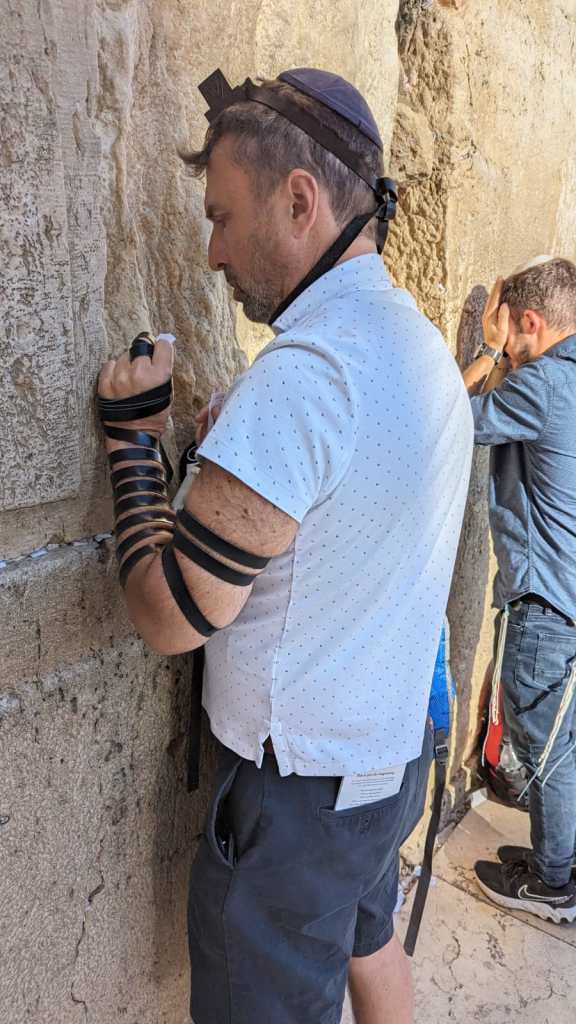
I know how to put on Tefillin but I can still learn from the Chabad Rabbi who did it for me at the Kotel.

What a powerful thought – to learn from everybody and every interaction.  That sure makes us all better people and makes for a better world.
Leadership is doing what’s right no matter the cost

Ever since October 7th, I have wanted to go back to Israel.  I was supposed to go in November 2023, but the trip was cancelled, and my family was uncomfortable with me going to volunteer.  Every day I would struggle with the deep desire to be in my homeland, doing my part to help.  Serving in the IDF is not an option at my age and without any military background.   But I can cook, clean, pick fruits and vegetables, and do whatever is needed.  The needs of my family for me not to go overrode my need and desire to go.  It has not been easy or comfortable, being in the US and my heart and soul in Israel. 

This changes on Saturday night when my flight departs for Israel.  I have the opportunity to go both for my own needs and for work related business.  It is getting me there which is what I need.  To be with my Israeli friends who have been serving in the IDF.  To visit the kibbutzim that were attacked on October 7th, go back to Sderot, also attacked.  To pay tribute at the Nova music festival site.  To spend time in Hostage square in Tel Aviv. 

There is a saying that ‘Leaders lead’.  You take risks.  You do the right thing regardless of the consequences.  For me, going to Israel right now falls into that category.  As a Jew, as a proud Zionist, it is my obligation to be there, to be part of my homeland, to give back, and to support my Israeli brothers and sisters.  Too many leaders in our world are so afraid of the backlash of doing the right thing that they do nothing.  As a result, they are merely a leader in name. 

We saw that today when President Biden said, “if they go into Rafah, I’m not supplying the weapons that have been used historically to deal with Rafah, to deal with the cities — that deal with that problem.”  Going into Rafah is a necessity to both rescue hostages and defeat Hamas. 

This came a day after he said, “My commitment to the safety of the Jewish people, the security of Israel, and its right to exist as an independent Jewish people and Israel is ironclad, even when we disagree.”

Yesterday’s statement caused him potential electoral issues in Michigan and Minnesota and with the Progressive wing of his party.  Rather than do what is right, supporting our ally, fighting against terrorism and evil, he backtracked and tried to play both sides.  Yesterday he was against terrorism, hatred, and antisemitism.  Today he was in favor of terrorism, hatred, and antisemitism.  That’s not what leaders do. 

This isn’t a partisan take.  Representatives John Fetterman and Ritchie Torres are leaders.  They have taken a position with our ally, in support of good over evil, against terrorism and hate.  They haven’t forgotten the hostages and aren’t afraid to speak out, even when they take incredible criticism.  Doing the right thing is more important than poll results. 

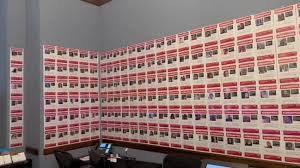
Senator Fetterman’s office has posters of the hostages hanging on the walls
Senator Fetterman remains Pro-Israel, wants the hostages back, and is anti-Hamas and terror

We live in a world where our “leaders” are more concerned with being liked and tracking their approval ratings than actually leading.  We see this in our Jewish community, in our local community, in our states and in the federal government.  They aren’t trained properly.  They aren’t mentored properly.  Many don’t want it and think they know what it means and what it entails. Others want it but can’t find it.  The vast majority of our leaders have not had anybody provide them with the guidance and instruction needed.

I often think back to the people who trained and mentored me.  One was very hard on me.  Very critical.  I used to say that he was ‘crusty’ on the outside and ‘gooey’ on the inside.  You had to deal with the crusty exterior to get to the gooey interior.  He wouldn’t take excuses from me.  He wouldn’t accept anything but excellence.  He didn’t sugarcoat anything.  He told it like it is and didn’t try to soften it up to save my feelings.  He made me a better professional and a better person.  He would often challenge me about my own personal desires.  Did I want to be excellent, or did I want to be mediocre?  If I wanted to be mediocre, then he didn’t have to spend time with me.  If I wanted to be excellent then I had to do things differently.  I learned tremendous lessons from him.

The other mentor I think about was much softer and nicer in his presentation.  He explained things and sent the message in a kinder way.  He also wouldn’t take excuses.  He wouldn’t let me off the hook from doing things the right way.  He challenged the way I thought and the reasons behind my thought process.  He laid out his expectations if he was going to invest his time and if I wasn’t willing to do what we required to meet them, he would invest his time elsewhere.  He shared his own personal experiences and what went right and where things went off the tracks.  He wasn’t afraid to be vulnerable about the times he wasn’t successful and what he learned from those times.  He would listen as I would share the things I learned from my mistakes and share in the joy of my successes. 

Throughout my career, I have leaned on these lessons.  Both men made a significant impact on my life.  They taught me about integrity, especially as a leader.  They taught me that at the end of the day, I have to live with myself, my choices, and my actions.  They taught me that it’s better to do the right thing and get negative consequences than to do the wrong thing and get positive recognition.  I’ll always be grateful to them for their time and their investment in me. 

It is something that I strive to do for others.  Just in the last week, I have had former employees reach out to say hi, send me a picture of them together, check in on me, ask for help with career changes, to work on an exciting project together, to pick my brain as they prepare for job interviews, and to just say thank you.  It is incredibly gratifying to know that I am paying it forward from what these two men did for me.  I look at it as an obligation that I have to make the world better by helping train leaders.  I have the privilege of working with a friend to do leadership training for college students through taking them to Israel.  Together we are working on a young leadership training program in Israel for February 2025.  If we want better leaders, we have to take action to develop them. 

Leadership trip for 19-26 year olds. Highly subsidized. An amazing experience. Sign up now!

I also have the privilege of working as a mentor to a younger professional who reminds me a great deal of myself when I began working with my first mentor.  I get a lot of gratitude helping him grow, helping him see things differently, challenging him to be excellent instead of mediocre, just as I was challenged.  It’s incredibly rewarding as I watch him grow.  Each time he ‘gets it’ and understands the ‘why’ behind the ‘what’, I get a lot of joy.  I can only imagine that my mentors felt the same way when I finally ‘got it’. 

We live in challenging times.  We need our leaders more than ever and true leaders are in short supply.  It brings me back to my trip to Israel.  I want to show my children what it means to be a leader.  What it means to do what you think is right despite the risks.  I want them to understand how important it is to do what is right no matter what.  They have seen me live my values throughout the years.  Doing what was needed for my dad during the last few weeks of his life.  Being there for my mom during that time and afterwards.  Staying true to myself and my values, morals, and ethics in spite of situations with others that it would be easy to abandon them for personal gain.  Being there in DC as one of the 300,000 people there for the big rally in support of Israel.

I can’t wait to go to Israel.  It’s only a few days and it feels like an eternity.  I will get to see my friend Grace.  My friends Margot and Tamar and their children.  My friends Yaron and Yoni who are volunteering and speaking to us.  I plan on going to East Jerusalem and having a long coffee and conversation with my Palestinian friend Mahmoud.  I hope to see my friend Noam who lives in Boston but as it happens in the Jewish world, will be in Israel for a few days when I am there.  I’m having dinner with my friend Tamara and her kids.  I’ll get the personal meaning that I need in Jerusalem, at the Nova site, at hostage square, and at the Kibbutzim in the south.  I’ll give back by picking fruits and vegetables and having dinner with IDF soldiers to say thank you.

Paratroopers in the IDF running up Masada to finish their training. What a celebration. Something I will never forget. Incredible personal meaning for them and for those of us who joined their celebration.

I’ll lead by following my values, morals, and ethics.  I’ll lead by taking the time to learn and grow.  I’ll lead by spending time with friends from America on the trip, talking about our lives and the challenges we face along with the experience we are having.  I’ll lead by writing about the experience and sharing it publicly to inspire others.  And I’ll lead by showing my children not only what it means to be a leader but also how important it is to do it with grace.  To stay true to your values, morals, and ethics.  To do what’s right no matter what. 

At the Passover Seder we end with “l’shana haba’ah b’yerushalayim, Next Year in Jerusalem”.  I’ll end this blog by saying “Next Week in Jerusalem”. 

Bayard Rustin, the March on Washington, October 7th and antisemitism. How do they connect?

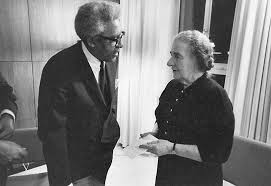
I’ve written about Bayard Rustin a few times since I learned about him. He was an incredible friend to the Jewish people and an avid Zionist, even visiting Israel and meeting with then Prime Minister Golda Meir.  I decided to watch the new movie about his life, focusing on how he made the March on Washington occur.  It’s available on Netflix.

Watch the trailer

I was stunned as I watched the opening scenes of the movie which depict the end of segregation and the first time African Americans were attending the same schools at white students.  Not because of how awful and vile what happened at that time was.  Not because of the suffering those students went through to bravely fight for their right to equal opportunity.  I was stunned because it looked exactly like what Jewish students are facing on college campuses today.  People yelling in their face.  Calling them names.  Treating them like second class citizens.  It was horrible and unacceptable then.  It is horrible and unacceptable now.  Yet it’s happening every single day on college campuses across the country and in Canada. 

Jewish students forced to hide and barricade themselves in the library at Cooper Union in NY.

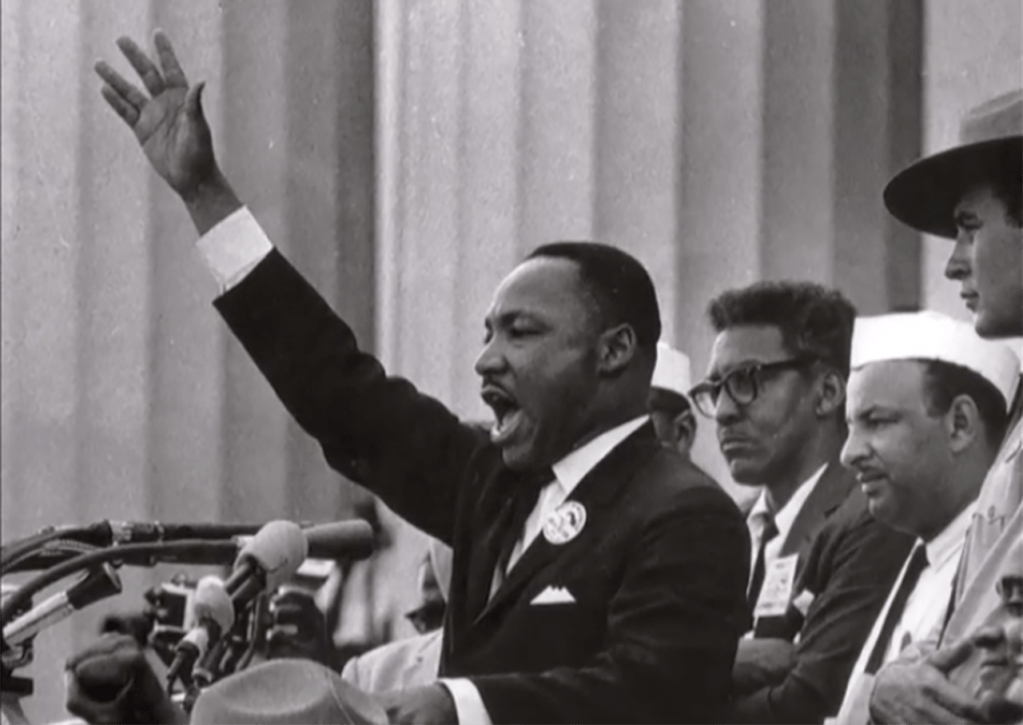
Bayard Rustin was the brains and genius behind the march of Washington, DC where Dr. King gave his “I have a dream speech”.  He talked about having the largest peaceful protest in history – 100,000 people on the National Mall (the actual number was 250,000).  After October 7th, I was part of 300,000 people who gathered together peacefully in Washington, DC., in support of Israel and the Jewish people.  When it was announced, I knew I had to be there.  I knew that I wanted to be able to tell my future grandchildren that I was there.  I wanted to be a role model for my children, nephews, and nieces, that I went and was part of it.  It felt like a big hug, being there with signs supporting Israel and demanding the release of the hostages.  Singing Hatikvah with 300,000 people was something I will never forget.  History repeats itself – in 1963 it was the March on Washington for civil rights.  In 2023 it was the rally for Israel with 300,000 people gathering to not just support Israel and the Jewish people but support each other. 

There is a scene in the movie where Bayard tries to get the NAACP on board with the march.  The head of the NAACP, Roy Wilkins, was afraid of what might happen if they had 100,000 ‘Negroes’ coming to Washington to protest.  In the scene, they talk about other marches with far fewer people and highlight one, from 1932, done by WWI veterans.  President Hoover unleashed the military to break up the march.  Using tear gas and bayonets, the military chased away the veterans and those supporting them, burning their shanty towns in the process.  Wilkins asks in the movie, “what was their race?”   The answer, “they were white.”  His fear of what might happen led the NAACP to say no to the march.  We face the same thing today in the Jewish community.  We have many communal leaders, many Jewish stars in sports, entertainment, and politics, who are afraid to take a bold position after October 7th, with the rise of antisemitism everywhere, out of fear of what might happen to them.  This fear paralyzes us and results in more damage occurring to Israel and the Jewish people everywhere.  It’s ok to be afraid, it’s not ok to let that fear paralyze us into inaction.  As Jews, we have thousands of years of history that shows us what happens when we live in fear, when we don’t act, when we just try to be a part of some other society and don’t stand up and fight for ourselves when threatened.  I made the decision after October 7th to not be paralyzed by fear.  I made the decision to speak out against the evil of Hamas and of the Iranian leaders.  I made the decision to call out antisemitism whenever and wherever I see it.  It’s an ongoing conversation in my family as they are concerned about what some crazy, hate filled person might do.  How I may be targeted.  How my family may be targeted.  One thing I know from our Jewish history is that if we stay silent, we will all end up being targeted, we will all end up being harmed.  I’m not willing to repeat the mistakes of the past.  Bayard Rustin wasn’t willing to accept being paralyzed by the fear of what might happen at the march.  He knew that doing nothing would result in a far worse outcome.  I hope we, as Jews, can learn from his leadership and not be afraid to stand up for ourselves, to speak out, to call out those who hate us and wish to harm us. 

As they talk about what date to hold the march, the first suggestion is a Monday.  Bayard replies, “Mondays are hard for our Pastors.”  He then adds, “and Fridays are bad for our Jewish friends.”  It’s a great reminder that as Jews, we were active in the civil rights movement.  We played an important role and built a strong relationship with the African American community.  In the years since then, for whatever reason, that relationship has deteriorated.  We, as the Jewish community, don’t have the relationships we need with many other groups.  We do with the Evangelical Christian community because THEY have been active supporters of Israel.   We have neglected our relationships with other groups.  As a large community, we are absent on MLK Day and the celebrations.  As a group, we are not there during Pride month.  As a group, we are not joining our Muslim brothers for their community Iftars during Ramadan.  Because we have neglected these relationships, we see many of these groups not being there for us when we need them.  It’s our responsibility to be there for them before we need them to be there for us.  Bayard Rustin showed that when he was considerate of Shabbat and that if the march was on a Friday, the Jewish community couldn’t be there.  He knew we’d be there for them if he was thoughtful first.  I hope that we can learn to invest in these relationships outside the Jewish community.  We are so hyper-focused on what’s going on inside the Jewish community that we are not ensuring the relationships we need outside the Jewish community are strong. 

Bayard Rustin with Prime Minister Golda Meir during his visit to Israel in 1969

The movie has 2 scenes in which Senator Strom Thurmond plays a key role.  In the first, he makes allegations against Dr. King about being a communist because Bayard Rustin, one of his close friends, was involved with the communist party earlier in his life.  This false allegation was designed to stop the march and to create problems for Dr. King.  The second is when he goes on the radio to ‘out’ Bayard Rustin as a ‘pervert’ due to his conviction for engaging in homosexual sex to attempt to stop the march from happening.  It’s very similar to the false allegations against Israel being made by Representatives Rashida Talib, Ilhan Omar, Cori Bush, Jamal Bowman, Alexandria Ocasio Cortez, and many others today.  Senator Thurmond was a known racist.  The Representatives I mentioned above are known antisemites.  Bayard fought against Senator Thurmond and wouldn’t allow him to win.  Today, we must do the same against these antisemites in our own government.  We can’t allow them to win.  We can’t excuse their statements or their behavior. 

There are two very powerful lines in the movie that apply to our Jewish community today.  The first is when Bayard Rustin says to Dr. King, “when we tell ourselves such lies, start to live and believe such lies, we do the work of our oppressor by oppressing ourselves.”  We have far too many people in our Jewish community who tell themselves lies about Israel and Zionism, who live and believe these lies, and not only do the work of antisemites but do it better than they do.  It is our obligation to confront these lies in our own community.  It is responsibility to make sure that members of our Jewish community are educated with the facts, not with the lies that Jew haters tell.  Bayard Rustin knew that about his community.  I hope we learn that lesson for ours.

The second line I am referring to also comes from Bayard Rustin speaking to Dr. King in the scene when he says, “on the day I was born black, I was also born homosexual.  They either believe in freedom and justice for all, or they do not.”  The same holds true today.  Countries either have a right to defend themselves or they do not.  Countries either have a right to make peace with their enemies through direct negotiations or they do not.  Countries either get to have their democratic election processes or they do not.  Israel cannot be held to a different standard than every other country in the world.  When they do that, just like Bayard Rustin knew about freedom for all people, they are being antisemitic and going against the values they say they believe in.  We cannot let them get away with it.  Bayard stood up and spoke out and got the support from those he needed to speak out as well.  We need to do the same.  We cannot allow the double standard to continue to exist.  We must demand our leaders, both political and those with large followings, do the same and speak out.  We must condemn those who use the double standard to hide their antisemitism.  It is not up to others to do this.  It is up to us. 

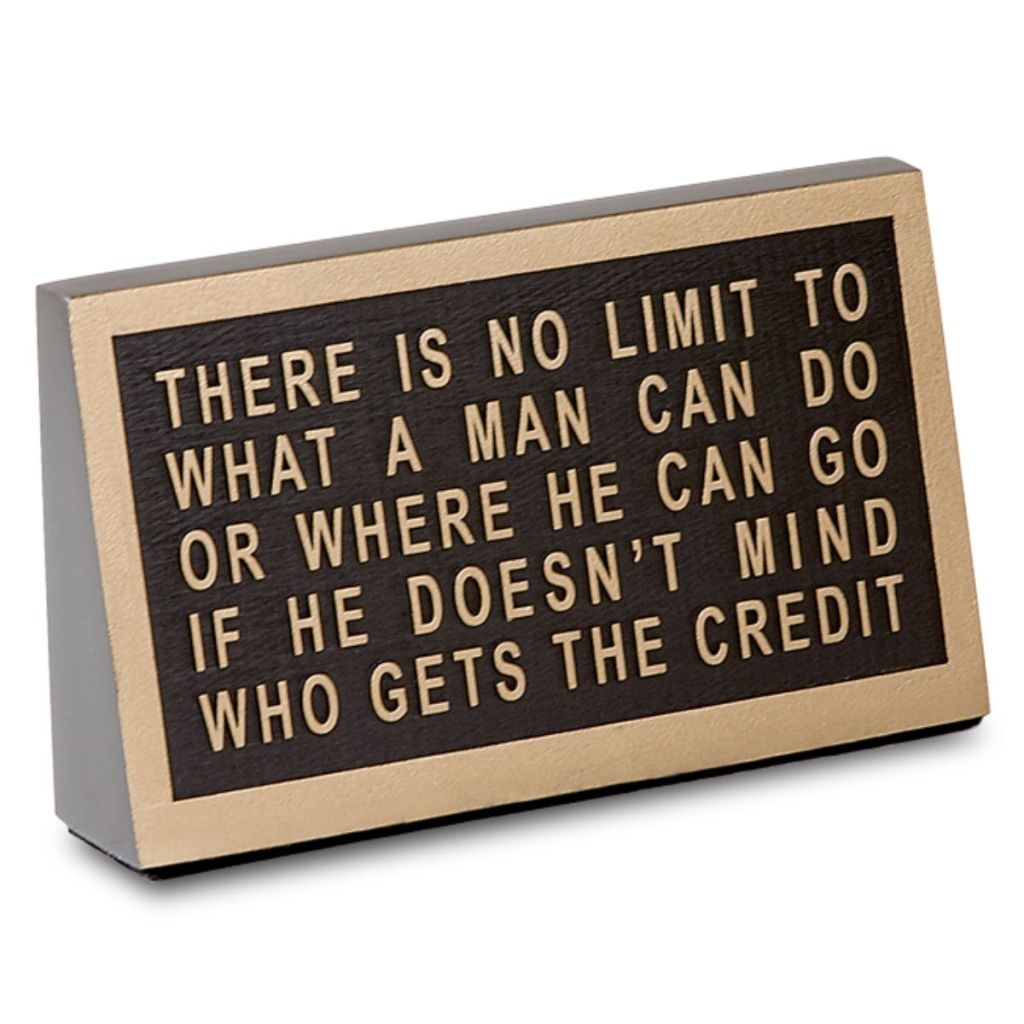
Near the end of the movie, the 10 heads of the committee for the March on Washington are invited to the White House to meet with President Kennedy.  Somebody says that Bayard should be with him.  Bayard already won – the March happened and was a huge success.  He declines and says he is going to pick up trash.   The rest leave to meet the President and he takes a bag and begins to pick up trash.  The young people who follow him are shown with admiration in their eyes.  They get it.  It is about the work.  It is about making things happen and driving change.  Who gets the credit isn’t important to those who really want change.  The same holds true for the Jewish community.  You see this more in Israel than in the United States.  In Israel they are all heroes because they do what is necessary.  Civilians volunteering in the fields to pick produce.  IDF soldiers risking everything for their country and the Jewish people.  People moving all over the country to help those displaced with educational needs, healthcare needs, mental health needs, and whatever needs they have.  In the United States we tend to focus more on who gets the credit.  Who is the public face.  We need to learn this lesson from Bayard Rustin.  It’s the same lesson Ronald Reagan spoke about.  In the words of President Harry S. Truman, “It is amazing what you can accomplish if you do not care who gets the credit.”  We have a lot of work ahead of us to fight antisemitism, to advocate for Israel, to educate both the Jewish and non-Jewish community, and for our survival.  We can’t worry about who gets the credit, we have to be willing to pick up a bag and collect trash. 

The saying on Ronald Reagan’s desk from the Harry Truman quote. We can all learn from this

The song at the end of the movie, Road to Freedom, is by Lenny Kravitz.  Lenny is African American and Jewish.  How fitting for the blog post.  The lessons of Bayard Rustin applied to 2024 antisemitism through the song written and sung by an African American Jew.

I watched the movie Rustin to learn more about a man I recently learned about and have been fascinated with.  How did such an important figure in the civil rights movement get basically erased from our history?  How many others like him are there?   I seem to learn about more of them all the time.  Yet while watching the movie to learn about him, there were so many lessons that apply to our lives today.  To the world we live in today.  The fight for civil rights is not over.  So many communities are still fighting it today.  In the Jewish community, we fooled ourselves into thinking we were not one of them.  October 7th and the aftermath showed us we are.  While we still have many who don’t think this is true, who ‘do the work of the oppressor by oppressing ourselves,’ the rise in antisemitism in the United States and around the world shows us that that it is true.  We have much to learn from the life of Bayard Rustin, an avid Zionist and friend to the Jewish people.  I could write an entire post just about his connection to the Jewish people and the State of Israel.  Let’s take a moment to thank him and honor his memory by learning the lessons he taught us and apply them today.  From what I have learned about him, I think he’d really like that.

Bayard Rustin standing behind Dr. King during the I have a Dream speech

Sunday Song – what if we really could write a letter to a younger self?

Today’s song is “Letter to Me” by Brad Paisley from 2015.  I find it very inspirational and thoughtful as I’m sure most of us have often thought about what we might tell the 17-year-old version of ourselves if we had the ability to go back and give some advice. 

The song begins:

If I could write a letter to me and send it back in time to myself at 17
First I’d prove it’s me by saying
“Look under your bed, there’s a Skoal can and a Playboy no one else would know you hid.”

We all have said to ourselves, “If I only knew then what I know now” about something.  How would we even know it was us from the future to know to listen?  The beginning of the song is that connection point between the us of today and the us of then.  We all had things hidden, secrets we kept from others when we were teenagers.  The connection here reminds us that we are still the person we were in the past, just changed by experiences and time.  And we can connect with that person from the past anytime we want by channeling those things that meant a lot to us and we didn’t share.

I spent this past weekend with my mom, brother and sister for a family Bat Mitzvah.  As we talked about our kids and lessons they have learned or are learning, my brother brought up how he always uses me as the example to his kids.  He does this, not because I was a pillar of virtue but actually because I wasn’t.  I’m the cautionary tale because I pushed the boundaries and took silly risks and did risky things.  The me of today wouldn’t be recognized by the 17-year-old version of myself and I would need to provide some sort of ‘street cred’ to convince that 17 year old version of myself that I really was the same person, just grown up. 

We don’t have to be embarrassed by the person we were.  We can identify with them and appreciate them for who they were and grateful that we are who we are today.  We don’t have to be trapped by our past and can look forward to the present and the future. 

And then I’d say I know it’s tough
When you break up after seven months
And, yeah, I know you really liked her, and it just don’t seem fair
But all I can say is pain like that is fast and it’s rare.

It’s funny how our world view changes as we get older.  As a teenager, a month was forever.  As an adult, a month disappears so quickly it’s hard to believe.  A seven-month relationship at 17 seems like forever.  Having been married almost 26 years, seven months is the blink of an eye.  Being able to put context to time only happens with maturity.  That 17-year-old version of myself would be devastated losing a relationship after seven months.  That was an eternity.  The song reminds us of a few things.

First, life isn’t fair.  Life is life.  It comes how it comes and it is all about how we deal with the things that come.  Sometimes that means we have to deal with pain.  The good news is the pain will pass or lessen.  But it takes time.  And at 17, time isn’t something we understand.  My senior year of high school I had a relationship that ended after around 8-9 months.  I was devastated.  I thought she was the one.  We’d been together such a long time.  When I look back, I can appreciate the pain and can appreciate how time is completely relative.  And while it felt like the pain lasted a long time, it really didn’t.  It was fast.  I moved on.  I haven’t seen or talked to her in nearly 40 years.  What was so incredibly painful at 17 passed quickly, even though at the time it felt slow.  It’s critical to remember that time is precious and goes too fast.  At 17 it didn’t seem that way.  Now it seems to go far too fast.

And, oh, you got so much going for you, going right
But I know at 17 it’s hard to see past Friday night
She wasn’t right for you and still you feel like there’s a knife sticking out of your back and you’re wondering if you’ll survive it
You’ll make it through this and you’ll see you’re still around to write this letter to me

Perspective is one of those things we all need and struggle with.  The song continues by pointing out to the 17-year-old version that so much is going right yet the focus is on the one thing that isn’t.  And even though she wasn’t right for him, and he probably knew it at 17, it still hurts.  Pain is a part of life.  If we are going to live life, we are going to experience pain.  People will disappoint us.  People will leave us.  Things won’t always go the way we want them to.  Yet we move forward and get beyond the immediate hurt into a better future.

My friend and spiritual advisor, Mickey Singer, always talks about preference.  It’s preference that gets us into trouble.  We prefer something go a certain way because of our limited view.  He reminds me that things happen the way they are supposed to happen.  Our job is to get rid of preference and understand that.  It’s the short-term view vs. the long-term view.  When I look back at the life my 17-year-old self wanted and expected, mine is very different.  It’s better.  More fulfilling.  More successful in almost every way possible.  If I had stuck with what I wanted at 17, I would have shorted myself an incredible amount.

Like the song says, in the moment we may wonder if we’ll ever get through the pain but we always will if we keep moving forward.  And at some point we will be able to look back, appreciate what we went through for what it taught us and what we learned, and be incredibly grateful we are where we are and not back where we would have been.

At the stop sign at Tomlinson and 8th, I always stop completely, don’t just tap your brakes
And when you get a date with Bridget, make sure the tank is full
On second thought, forget it, hat one turns out kinda cool.

This verse makes me laugh.  It’s the older version trying to give basic advice to the younger version.  Stop completely at the stop sign.  I think back to the younger version of myself and what advice I’d give myself like this.  The girls I didn’t realize liked me and in hindsight saw they did.  The opportunities I missed that I could have taken advantage of.  The small things that my younger self would have appreciated but really don’t mean anything.  The older version realizes this when he starts saying to make sure the tank is full of gas.  That’s the adult thing to do.  The younger version ended up with a great experience and story.  Our older selves don’t always know best. 

I think about appreciating the challenges that I had growing up.  My older self could give advice that would let me avoid lots of mistakes and awkward situations.  But then I would not be the person that I am.  I would not be able to do the things I can do.  I wouldn’t have learned the lessons I did to become who I am.  So as much as the older me thinks it would be nice to save the younger version of me some pain, grief, and embarrassment, just like in the song, the realization that it really was for the best is critical. 

It’s another reminder that we aren’t in charge.  As Mickey would tell me regularly, we are here to experience life and everything that comes with it.  Each experience we have in life is a gift, even the things we don’t prefer (there is that preference again).  They shape who we are, who we will become, and how we will impact and change the world.  It gives us a chance to be grateful for every experience because even the painful ones will pass.  I am who I am today because of the experiences of my life to this point.  Why would I want a younger me to miss those experiences when it would mean I wouldn’t be who I am? 

Each and every time you have a fight, just assume you’re wrong and dad is right
And you should really thank Ms. Brinkman
She spends so much extra time, it’s like she sees a diamond underneath
And she’s polishing you ’til you shine.

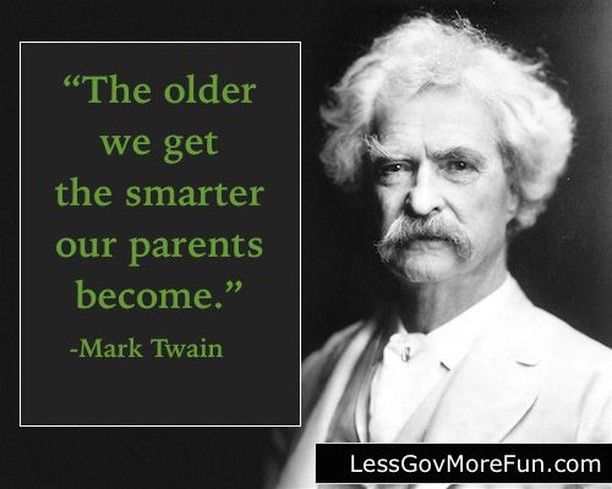
This reminds me of a famous Mark Twain saying that I heard years ago.  “The older we get, the smarter my parents become.”  As a teen, I was sure that my dad didn’t get it.  He was a child of the 50s and 60s.  I was a child of the 70s and 80s.  It was a different time.  What did he know about modern times?  And yet, the older I got, the more I realized his wisdom.  The more I understood that he did know what he was talking about and the more I sought his advice.  Now that he isn’t here any longer, I miss his wisdom and advice.  I often find myself wanting to ask him for that guidance, to share his wisdom.  I’m glad that I got smarter as I got older and had a chance to learn from him.  It allows me the opportunity to imagine what he would say.  The messages that he would tell me.  It’s because I had a chance to learn from him that I can apply that knowledge to imagine what he’d say and how he’d guide me. 

The second line is the reminder to appreciate all the other teachers and influencers in our lives.  Often times we don’t appreciate those who give us that guidance as mentors, role models, friends, and teachers.  As I think back, there are many people I would like to say thank you to.  People who believed in me and encouraged me to try a little harder, show up a little more, put in that extra effort.  They saw the diamond in the rough and were willing to invest their time, energy, and effort into polishing it (me).

It also reminds me that I have that same responsibility today.  I find that there are so many amazing people out there that just need some encouragement, somebody who will invest time in them, somebody who believes in them.  I am proud of the people who I have been able to serve that role for.  One of them recently said to me:

My time at UF was shaped by talking with you and others who taught me more than I ever would have done in a classroom.

It’s nice to know that I have been paying it forward on behalf of those who did the same for me.  I believe it’s our responsibility to both realize and recognize those who provided that mentorship and guidance to us and to pay it forward with others.  It’s what makes the world better.  I have a number of people that I have been able to play that role for and as they achieve success and do amazing things to change the world, I know I had a small part in it.  It’s very gratifying.  If I could go back to my 17-year-old self, I would want to encourage that kid to say thank you and recognize those people.  A thank you means the world and from personal experience, just makes me want to help more people.  I wonder how many other people would be impacted if that 17 year old version of me recognized and thanked all those people who saw potential and invested in me?

Oh, you got so much going for ya, going right
But I know, at 17 it’s hard to see past Friday night
Tonight’s the bonfire rally but you’re staying home insteadBecause if you fail algebra, mom and dad’ll kill you dead
But trust me, you’ll squeak by and get a C
And you’re still around to write this letter to me

Once again, the song focuses on perspective.  The end of the week and the weekend was everything.  A week was a long time.  The events and choices we made seemed so critical, so essential.  Algebra and grades.  SAT scores.  Who to take to prom.  The things that seem so important at the time that in hindsight really weren’t.

It’s also a lesson that sometimes good enough is good enough.  It doesn’t mean we shouldn’t strive for excellence.  Nobody can be excellent in everything all the time.  Nobody can know everything about everything.  It’s simply not a realistic expectation yet as teenagers we often think it is what we need to do.  There are times when being perfect or the best isn’t what is needed.  Sometimes we just need to get by.  Sometimes success is simply accomplishing the goal, passing the class, doing what it takes. 

Expectations, often unrealistic ones, cause us much harm.  They are usually not based on fact or on what we really can accomplish.  They tend to come from other people or from societal expectations.  As we get older, we have the ability to choose to accept them or not.  As a teen, our parents, teachers, and peers have undue influence.  The song reminds us that we don’t have to accept the expectations put upon us by others.  We can choose to if we want, but it’s a choice.  We are not doomed to fail because we didn’t meet the expectations of others. 

You’ve got so much up ahead
You’ll make new friends
You should see your kids and wife

The future is bright.  We can get the things we really want.  More is ahead than behind.  These are all messages our 17-year-old self needs to hear.  The person we thought was “the one” at 17 may or may not be.  That relationship not working out doesn’t mean we’ll never be married, never have kids. 

We can look to the future with excitement no matter our age.  There is always so much ahead, even the older we get.  The length of time to experience thing may be shorter than at 17 but that doesn’t mean there are not new adventures and experiences ahead.

Life is a journey.  We make new friends.  We have new experiences.  Things continue to change in our lives.  We don’t have to worry if it will or won’t change – it will!  We don’t have to wonder if it will be good.  It may not be what we want.  It may not be what we hoped.  Iti s what is on our journey.

I love the line, “you should see your kids and wife.”  There isn’t any detail added to the statement.  It doesn’t say they are amazing or incredible.  Yet that is what is inferred.  It reminds us that we don’t need all the detail to know something is good.  And as we look towards the future, we don’t know what will be.  When we look back, we can be filed with gratitude for what we got.

And I’ll end by saying have no fear
These are nowhere near the best years of your life
I guess I’ll see you in the mirror when you’re a grown man.

We often think of times in the past as being the best years of our lives.  Especially when we are looking at times when we didn’t have significant responsibilities.  It’s also easy to think that our high school years are the best years of our life and perhaps we are wasting them. Or our college years.  Or our 20s or 30s.  The reality is that today is the best year of our life all the time.  It’s about what we do with our time, not when or where we are in life.  Our job is to seize the day.  Make the most of the day, of the time, of the life that we have rather than thinking about the life we used to have. 

P.S. go hug Aunt Rita every chance you can.

And oh, you got so much going for you going right
But I know, at 17 it’s hard to see past Friday night


I love the P.S.  This is the reminder to tell the ones we love that we love them.  To appreciate those in our lives while we still can.  I was blessed to have my Great Grandma Rose in my life into my 20s.  All four grandparents into my 20s.  Two grandfathers into my early 30s.  My dad into my mid 50s.  My mom today.  My in-laws today.  I would love to have them all today, but I also don’t have any regrets for not hugging them, telling them I love them, or spending time with them.  I took advantage of every chance I had.  One of my favorite stories about my Great Grandma Rose happened near the end of her life.  I had sent her a card just because I loved her and was thinking of her.  My Grandpa Si was visiting her and she was so excited.  She kept telling him, “I got a letter from Keith, I got a letter from Keith.”   Grandpa Si asked her, “Well what did it say?”  She responded, “I don’t know, I can’t read it.  But I got a letter from Keith.”  Just thinking about it makes me smile. 

We are all limited by time.  Don’t miss the time you have with the ones you love.  Another day is never promised.  Make sure they know how you feel about them and spend the time with them while you can.  My mom, brother, sister, and I all just spent the weekend in Chicago for a family Bat Mitzvah.  It was a wonderful time being with family and even more special to have the four of us together.  I never want to wish I had spent more time with them or told them I loved them.  That’s the lesson in this song. 

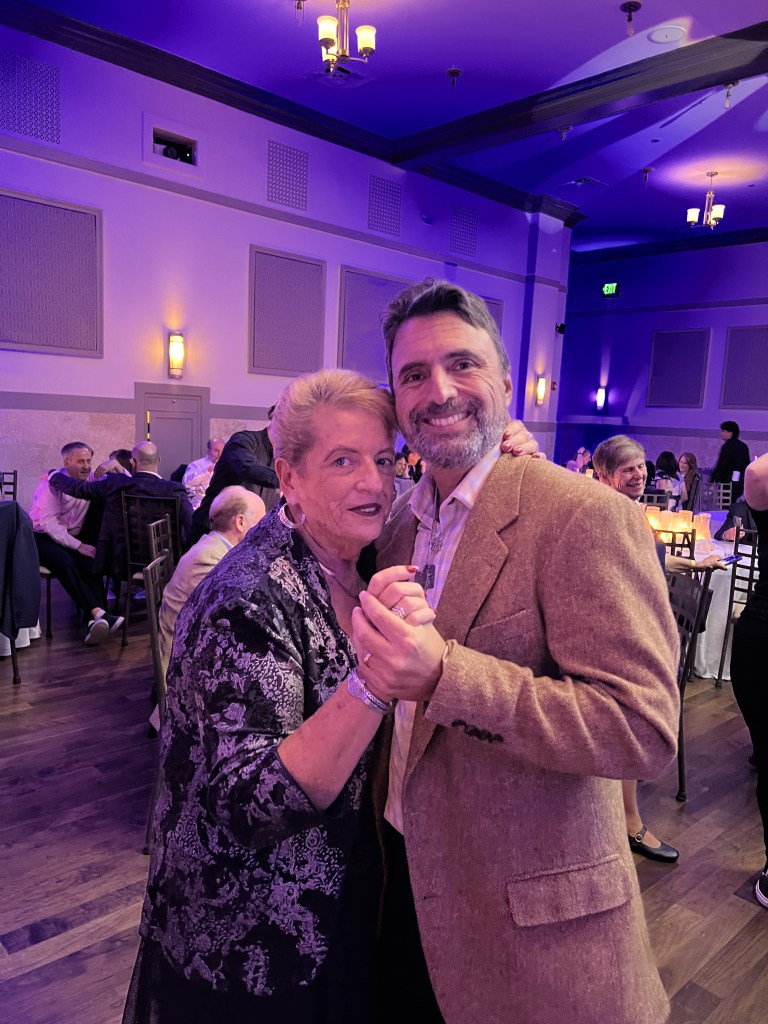
Dancing with my mom. All 3 of us took a turn.

I wish you’d study Spanish, I wish you’d take a typing class
I wish you wouldn’t worry and let it be
Hey, I’d say have a little faith and you’ll see

If I could write a letter to me

The last line of the song has a bit of irony.  It’s the little things you don’t think about as a teen that can have a long-term benefit as an adult.  Learning Spanish, a language that helps a career.  Typing to make computer use easier.  There are so many mundane choices we make as kids that seem unimportant but in hindsight we’d change.  My son took French, a great language.  Spanish would have been more helpful.  When I was in middle school we had to take Cooking, Sewing, Metal Shop, Wood shop, Drafting, and more.  I learned how to cook.  I learned how to sew.  I learned to use power tools.  I learned that I didn’t have the skills to be an architect.  Usable skills that helped me in life.  It’s sad to me that kids today don’t have those same life skills as courses in school.  It also tells us that we can still learn Spanish, typing, cooking, sewing, etc.  It’s never too late to learn the things we want.  And just because we missed an earlier window doesn’t mean we can’t revisit it in the future.

The song resonates with me because the letter ends up being something entirely different than what most of us think we would right.  It’s not a lecture nor is directions to avoid the mistakes we think we made.  It’s advice and guidance to enjoy the time in high school and all the time ahead until the age we are when we write the letter.  It’s validation and suggestions to help appreciate all that we have.  It’s a reminder that no matter how young or old we are, we have the ability to enjoy the moment for what it is and not be fixated on what we think it should be. 

My life has had ups and down.  Good times and bad.  Challenges and rewards.  When I stop, take a deep breath, and truly look at what I have in my life, it doesn’t matter what stage I am in, it’s a good life.  It’s filled with meaning.  I can appreciate my family and all the wonder in my life even when it isn’t perfect.  And I don’t have to worry, I can let it be, and have a little faith, because I will end up looking at the same self in the mirror either way.   I can choosee to enjoy the journey.

PS – Since the song has a PS, so does this blog.  My last post was about friendship and what is a friend.  One of my friends sent me this, which totally resonates with me.  In fact, many of my friends and I have basically said the same thing to each other many times.

The voices we hear

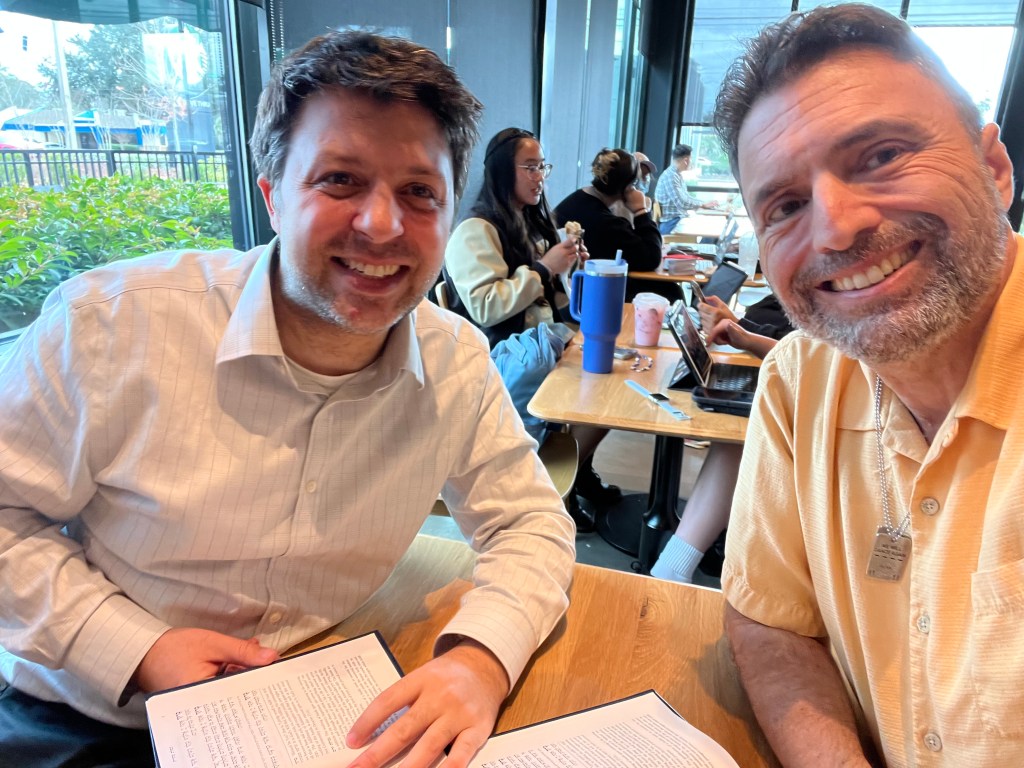
A number of years ago, when I lived in Gainesville FL, I was exposed to the idea of spending an hour with others learning about and talking about Jewish biblical stories.  Three of us began having lunch once a week while we talked about learned about the book of Daniel for months.  It was interesting, fascinating, fun, social, and a meaningful use of time.  Unlike my Hebrew School experience growing up, this had real value and I truly enjoyed it.  It’s something I have continued, on and off, for the past decade.  Over the last few months, I have found a wonderful partner to study and learn with, and we spend an hour each week focusing on the weekly parsha (the part of the Torah we read each week) and digging into what some of the great Jewish commentators throughout the generations had to say.  More importantly, we then talk about what we think it means to us.  Frequently, I challenge him and he pushes back.  We go back and forth sharing our thoughts, opinions, interpretations, until we come to some consensus about what it means for us in 2024.  It’s a wonderful hour each week that I both look forward to, thoroughly enjoy, and think about the rest of the week as I apply these lessons in my daily life.

As I’ve previously written about, recently I have been obsessed with country music, the lyrics and stories that are told, and what it means to me.  Similar to what I do weekly with my friend the Rabbi, many of the lyrics of these songs speak to lessons to improve my life.  And sometimes, the song will trigger something from my Jewish learning as well.  That’s what happened this weekend.

Once again, an old song was new to me.  Voices by Chris Young came out in 2008.  I discovered it in 2024.  The lyrics spoke to me in a different way after last week’s hour of conversation.  Here are some of the lyrics and some of my takeaways.

                  I hear voices.  I hear voices like

 My dad sayin’: ‘Work that job.  But don’t work your life away.”

When I hear that line, I think of my dad.  That work is important, however it is a means to an end, not the end.  That nobody is going to put ‘he worked very hard’ on your tombstone but they will talk about the type of person you and what you mean to other people.  The lessons he taught me about the place of work, values, and family.  I can’t count how many times he would talk to us about family and how important it is.  How it is everything.  My parents showed it in their actions.  Holidays were for extended family, and I have close relationships with my cousins because it wasn’t just about our immediate family.  My kids laugh because they say that sometimes they aren’t sure who we are really related to and who are such close friends that we call them Aunt, Uncle, Cousin, Sister, Brother.   I have aunts and uncles that really cousins.  I have aunts and uncles who are lifelong friends of my parents.  I have brothers and sisters who aren’t related to me by blood but are family by choice.  I have nieces and nephews that are really cousins.  It doesn’t matter what the blood relationship is or isn’t, what matters is the relationship that we build.  On my birthday this past year, my niece Rylee, who is 3 years old and technically a cousin by marriage once removed (we never use that language in my family) called and sang Happy Birthday to me on my voicemail.  It was the sweetest message I have gotten in years.  I called her back to say thank you and she promptly sang it again.  It was the highlight of my day.  Nothing at work will give you that feeling.  So don’t work your life away.  Its far too short and there are far too many beautiful moments you will miss.

   My adorable ‘niece’ Rylee who sang me Happy Birthday. 

And mama tellin’ me to drop cash in the offerin’ plate on Sunday

I was taught by my grandparents and my parents from a very early age the importance of Tzedakah, giving charity to help others.  We had the blue JNF box that we always put coins in, especially on Friday night before Shabbat.  Giving of our time, talent, and treasure was something my grandparents did, my parents did, and I learned to do.   It’s something I have taught my children.  We have an obligation as human beings to help those who need it.  It’s why I fell in love with the acts of random kindness. It takes nothing to hold a door, let somebody go in front of you, wait patiently, or many other acts of kindness.  When my kids and I go out for breakfast on Christmas day (usually Waffle House because they are open), I have begun to do my special Christmas day gift tip – whatever the amount of the bill is what I also tip.  The server is working on Christmas, likely because they need the money to support their family.  I’m privileged enough to not work and to be able to go out to breakfast with my kids.  It’s a small, nice thing to do that likely makes their entire day.  Random acts of kindness can change the lives of those that we do them for.  So give a little of your time, talent, and treasure to help others.  Not only will you change their lives, you will feel so much better because you are making the world a better place, one random act of kindness at a time.

One of my favorite pieces of art by Joanne Fink. A reminder of the importance of Kindness


And grandad sayin’ “You can have a few, but don’t ever cross that line.”

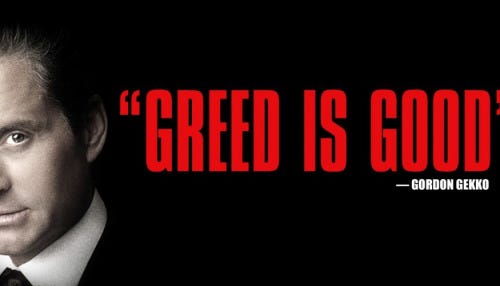
One of my mom’s favorite sayings has been “Pigs get fed, hogs get slaughtered.”  What she was teaching us is that there is a limit to everything before bad things happen.  Unlike the famous Gordon Gecko line from Wall Street that was a calling card to my 1980s generation, ‘Greed is good’, what my mom was teaching us is that greed is NOT good.  Greed gets you in trouble.  Excess desires take you places that you don’t really want to go.  Decisions made on greed or the desire for more than you need end up with disastrous results. 

Balance is the key to life.  We hear it all the time.  ‘I don’t have any work-life balance’.   I struggle to balance my wants with my income.  Too many people don’t set aside money for retirement, balancing the need for the future with the need for now.  What good is working hard and missing out on your children growing up, on the relationship with your spouse?  Covid stole two years of time with my parents from me, time I will never get back.  Why?  Because I worked too much and too hard to get through that time.  For what?  To lose my dad in September 2022? 

My mom, dad, Evan and me at the UCF-USF game. Treasured memories worth everything

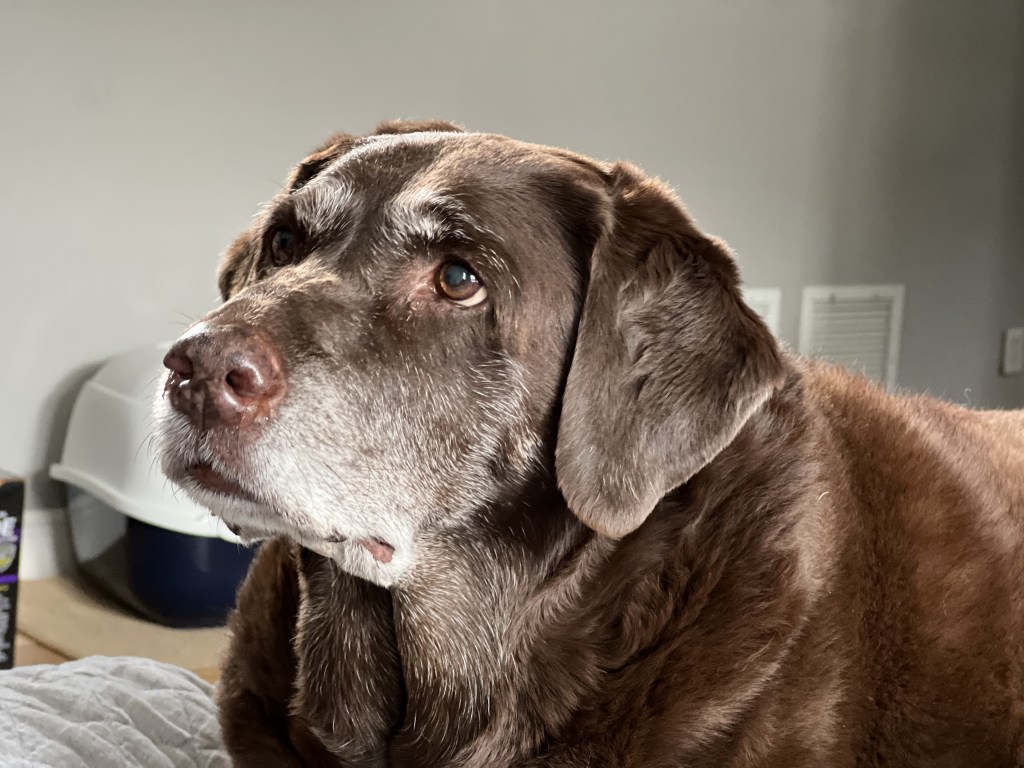
I think more about my mom’s message now than ever before.  What do I need?  And what do I really want?  The material things that drove me to want more, more, more are meaningless.  I want more time with my kids.   More time with my family.  In the summer of 2023, we almost lost our 13 year old dog Bella.  It was a miracle she survived.  I treasure the time with her now.  Where before when she would climb on my lap and I was working I would get annoyed, now I simply set the work aside and welcome this 75 lb dog into my lap. 

Bella laying on my lap – a daily occurance that I love.

Bella loves to lay out in the yard

Our sweet little girl

So as you choose what matters to you, remember to have a few but not cross that line.  Remember that pigs get fed and hogs get slaughtered.  Remember that you have control of balance in your life unless you give it away.  And remember what is really important.  It’s always possible to make more money and get more things.  There will also be something newer, something shinier, something just a little bit better than what you have.  But you can never get back time.  Time is the ultimate treasure.

Yeah I hear voices all the time.  Turns out I’m pretty dang lucky, for all that good advice. Those hard-to-find words of wisdom, holed up here in my mind  And just when I’ve lost my way, or I’ve got too many choices, I hear voices.

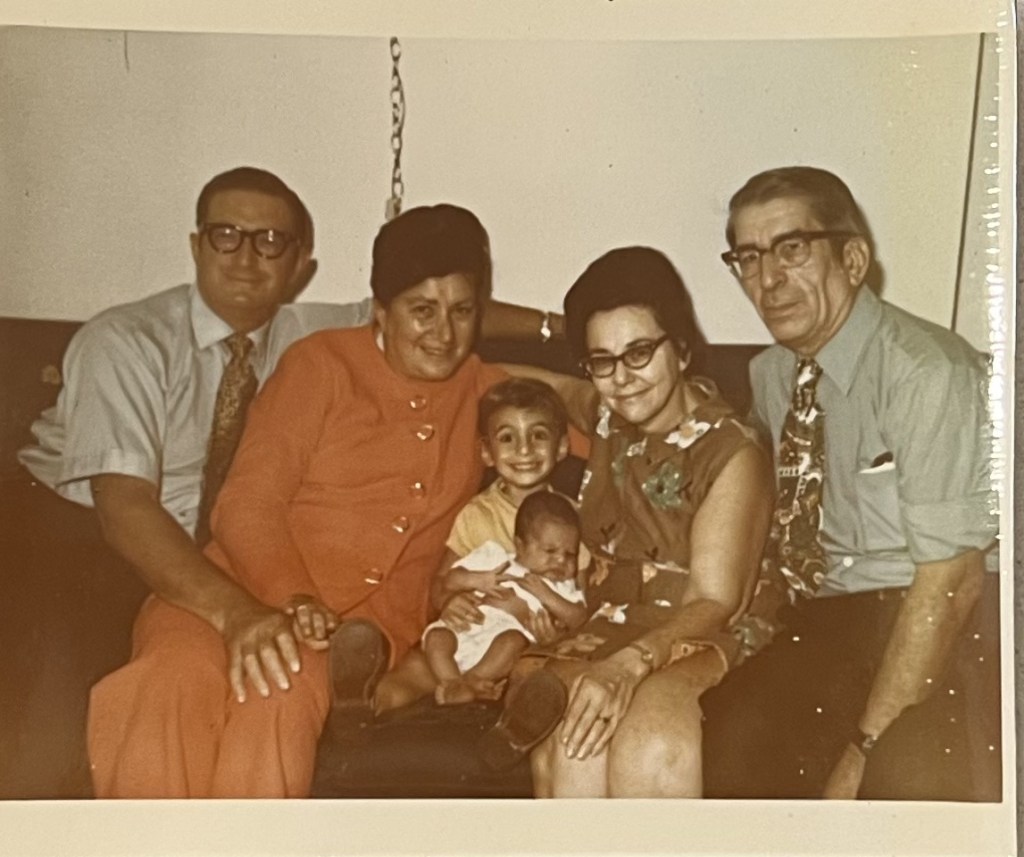
I am lucky.  I hear the voices of my Great Grandma Rose, my Grandma Esther and Grandpa Si, my Grandma Evie and Grandpa Lenny.  I hear the voice of my dad the most.  And of course, my mom, who is not only the voice in my mind, but on the phone and in person.  The things they taught me and powerful and core to my life.  They continue to guide me, even though most have been gone for more than 20 years. 

Grandpa Len, Grandma Evie, me, my brother, Grandma Esther, and Grandpa Si

I have written before about how I discovered studying in chavruta (two people learning together) and how meaningful it is.  For the past 4 months or so I have been learning with Rabbi Ehrenkranz.  One of the things that I often struggle with, and we regularly discuss is when it seems that God is being ‘vindictive’ or ‘petty’ in his statements.  It’s not how I envision God and I have a hard time understanding when the text says things that I interpret that way.  Last week had another instance of this, so once again we discussed and debated.  What I came to understand is that God is like our parent.  He wants the best for us and provides guidance on how to live life.  As a parent, he sets guidelines, expectations, and provides consequences.  It’s actually not that he’s being vindictive or petty, but rather caring.  The lessons he tells us can be voices we hear as well.  A voice that tells us how to choose right over wrong.  How to behave.  What to do.  Another guide when we’ve lost our way to help us get back where we need to be.  After 15 minutes of back and forth, I found this explanation to be comforting and a different way to interpret the language.

Learning with Rabbi Ehrenkranz. It’s a fun hour every week.

Whenever I have lost my way or am overwhelmed with too many choices, it is these voices that help me.  These are the lessons that I learned from them that resonate in my mind.  I can close my eyes and see and hear the person who taught me the lesson, reminding me of it once again.  I truly am lucky to have had these special people in my life who not only taught me important lessons but continue to teach me throughout my life.

I hear voices, lke my dad sayin’ “Quit that team, and you’d be a quitter for the rest of your life.”

Commitment and dedication.  Two very important concepts that have always been a part of my family and something that we were taught growing up.  Finish what you start.  Don’t start it if you aren’t going to finish it.  Have integrity.  Behave as if your words and actions will be on the front page of the NY Times. 

Reliable and Dependable.  Two more important concepts that were ingrained in me from a young age.  If you aren’t reliable and aren’t dependable, you won’t have integrity.  If you say you are going to do something, then do it.  From 1992-1995 I worked for the Florida Department of Corrections in mental health.  I worked in two different prisons.  One was minimum security, the other closed custody (maximum security) and the home of Florida’s Death Row.  I learned there to never make a promise I couldn’t deliver on.  When I said I would do something, I did it.  I earned the respect of the inmates because I didn’t promise them things that I wouldn’t do.  I learned to be very clear about making promises and commitments. 

My parents and grandparents always told me there is a right way to do things and taught and urged me to always do it that way.  Commitment, dedication, reliability, dependability, and integrity – all incredibly important and things I believe in because of the people who’s voices I hear.

And mama tellin’ me to say a prayer, every time I lay down at night.

Prayer is something I grew up with.  We went to synagogue almost every Saturday morning.  I went to Jewish Day School for a year (it wasn’t for me).  We had Shabbat dinner with kiddush and motzi every Friday night.  I went to Jewish overnight summer camp (Both Camp Ramah in the Poconos and Camp Airy).  I knew the prayers, knew the tunes, but didn’t know what it meant.  As a result, it didn’t really have much meaning to me.  I think it was summed up best by an IDF soldier on our birthright bus many years ago.  After services on Friday night, we were talking as a group and he asked, “So you know the words?”.  We answered, ‘Yes.’  Then he asked, “and you know the melodies?”  We answered, ‘Yes.’   Then he asked, “but you don’t know what it means?”  We answered, ‘yes, we don’t.’   He said, “I don’t understand!”

In college I began to explore a meaningful way to get involved with prayer.  It wasn’t easy and took a long time to find a meaningful way to pray and what to pray for.  Should I really be asking God for things?  Would he really pay attention to my prayers, especially if I was asking for things I wanted?  Didn’t he know what was best for me?  Over the past nearly 40 years, I have learned my own way to meaningfully connect with God.  It involves prayer and meditation.  It involves my own conversations with God and connecting with nature.  It involves some traditionally Jewish things like putting on tefillin (not every day but regularly).  It’s lighting the Yahrzeit candle for my father.  Similar to the lyrics of the song, I take a minute to thank God every morning and every evening for the life I get to live. 

About 20 years ago, I began exploring spirituality with a friend of mine, Mickey Singer.  Some of you may know him as Michael A. Singer, the author of The Untethered Soul and The Surrender Experiment.  I consider Mickey my spiritual advisor as he challenges me to think differently about my relationship with God.  For the past 20 years, he has nudged and encouraged me to explore my relationship with God in a different way.  If you haven’t read his books, I highly recommend them.  He also gives a few talks a week and they are posted on the website for Temple of the Universe.

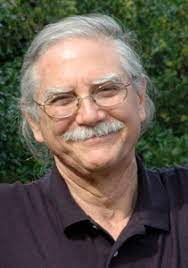
Mickey Singer, my spiritual advisor and friend.

In my weekly chavruta, we discuss prayer a lot.  God doesn’t need us to pray to him, he’s God.  So why do we do it?  What’s the point?  If he doesn’t need it, why bother?  They are interesting conversations and so much of what we discuss relates to remembering who is really in charge and what is our role and responsibility.  It ties in with what Mickey has taught and teaches me.  And just like the lyrics say, it’s important to do it regularly and consistently. 

And grandma sayin’ “if you find the one, you better treat her right.”

One of my favorite stories about my Grandma Esther happened a few years before she died.  She wanted to be a great-grandmother more than anything.  So, she started bugging me about getting married and having kids so she’d be a great-grandmother.  I told her that I didn’t have to get married to make her a great grandmother.  The look on her face was priceless and one I’ll ever forget, as she quickly replied, “I can wait.”

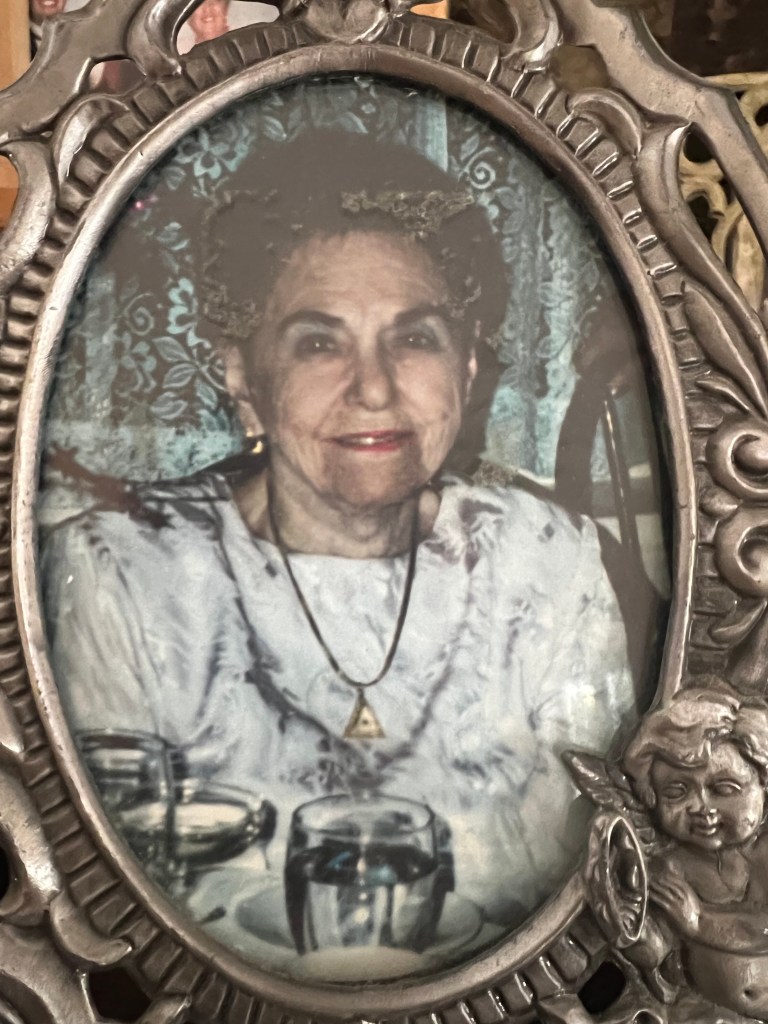
Grandma Esther. I keep this picture on my mantle.

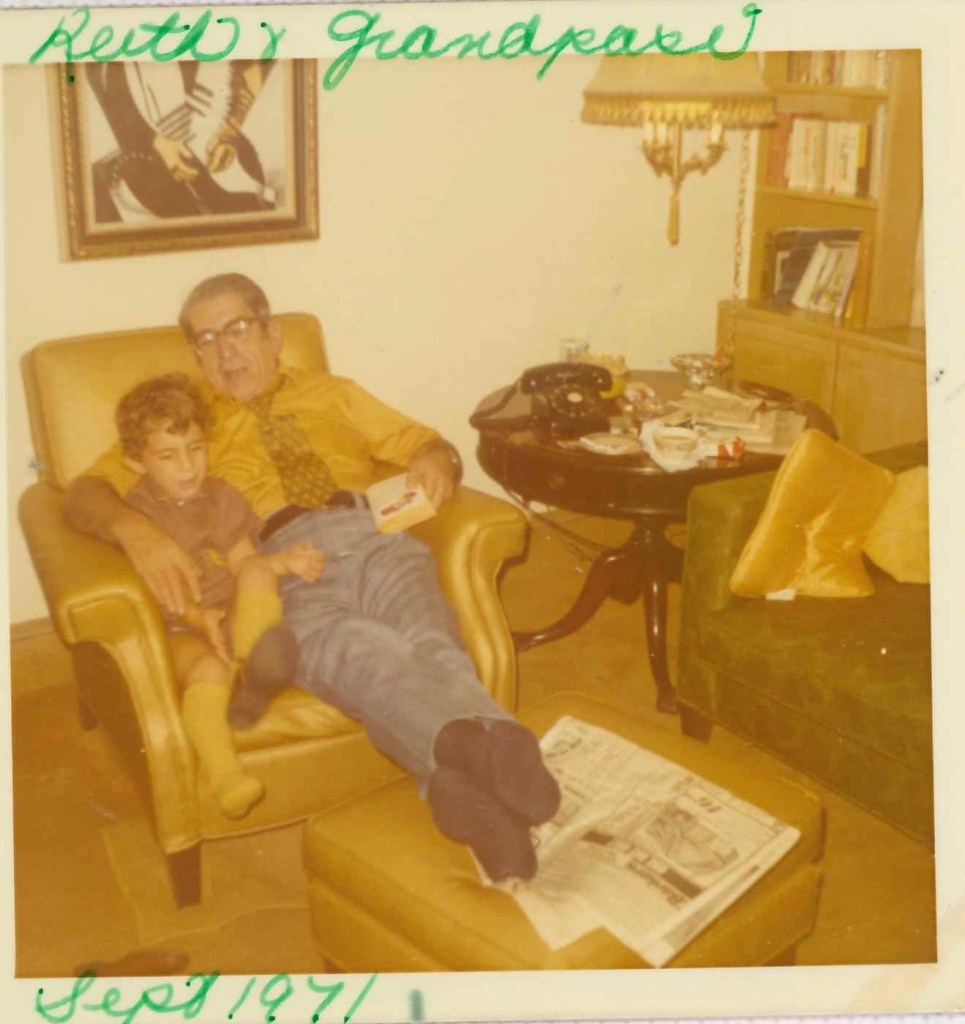
Both my grandfathers and my father showed me how important this is through their actions.  Grandpa Len would get up early, go to the JCC for a swim and schvitz (steam room) and then come home to have breakfast with Grandma Evie.  Every day.  Without fail.  After Grandma Evie died, I used to go visit Grandpa Len on Sundays.  We’d go to whatever organization was having their pancake breakfast, have fun and laugh, and then go back to his house and put on football.  Most of the time we would take a little snooze (nap) during the games.  I’ll never forget one day there was a boxing match on.  He told me how much he loved watching boxing but that my grandmother didn’t like it so for their entire 55+ year marriage, he chose not to watch boxing because he’d rather be with her than watch boxing.  It’s a lesson I will never forget.

Grandpa Len and Granda Evie

Grandpa Si taught me a powerful lesson as well, one that I used to tease him about sharing with my wife.  He said that early in their marriage, he and Grandma Esther figured out a great way to resolve any arguments.  When they agreed, he got his way.  When they disagreed, she got her way.  It was a powerful lesson in the importance of being happy instead of being right.  In their 55+ year marriage, they lived by that rule.  I regularly ask myself if I’d rather be happy or be right.  I have decided that I’d always rather be happy. 

Grandpa Si was always teaching me something

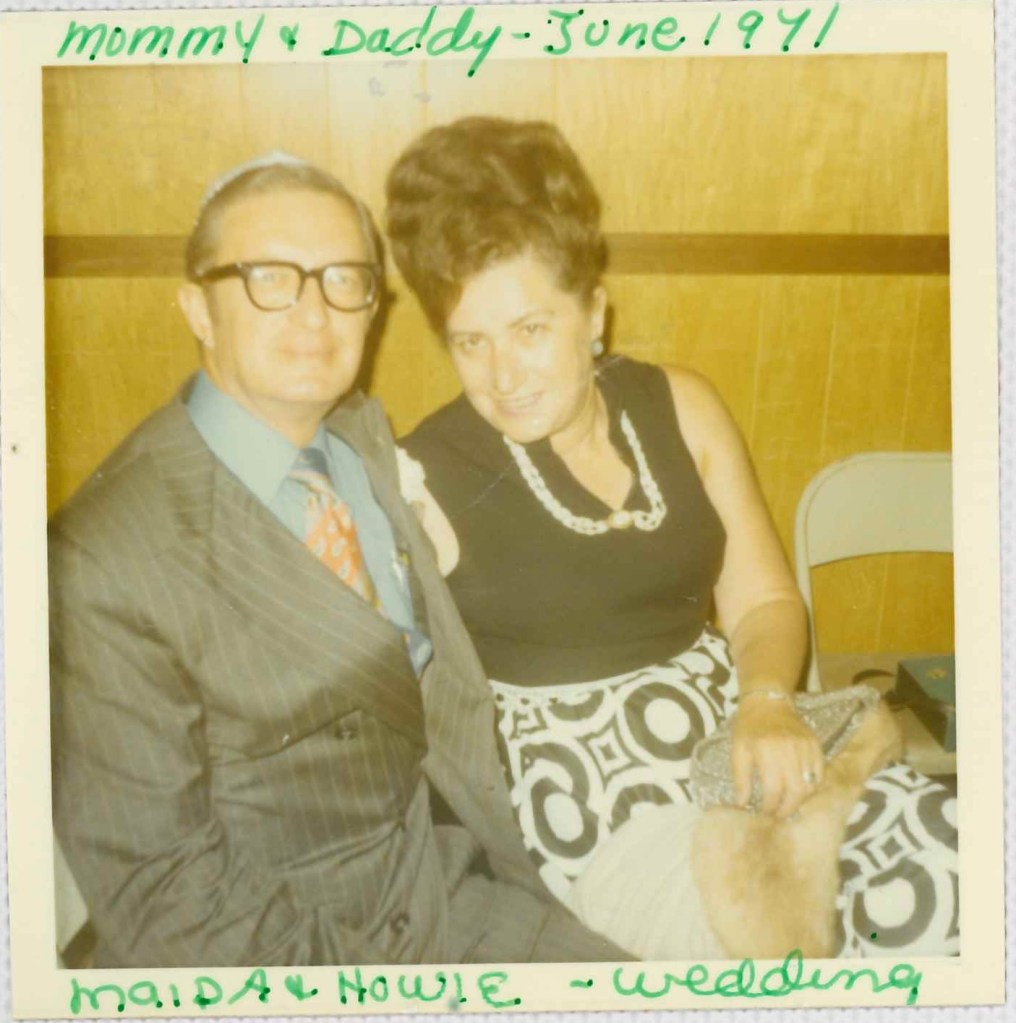
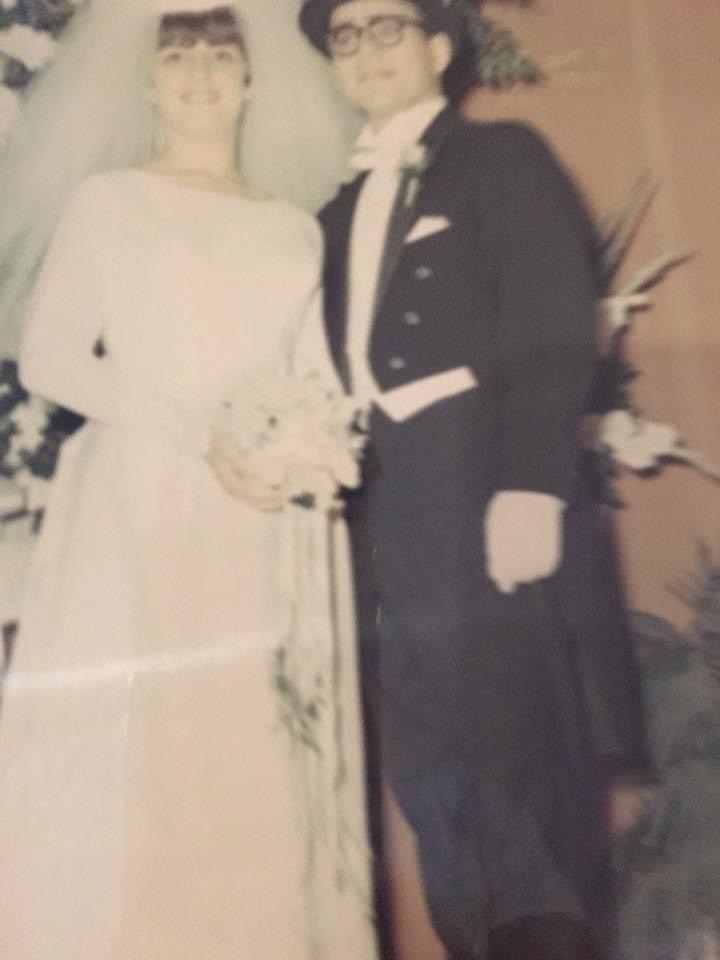
My parents were married for 55 years.  But they were together for a decade before they got married.  After my dad died, his sister, my Aunt Sheila, talked about how it was always “Susie and Barry”.  There is a famous story about my parents getting engaged and their cousin said, “they can’t get married!”  When asked why, she said, “Because they are related.”  My parents were a true partnership and they talked to us about it all growing up. 

My parents wedding photo

Mom and Dad

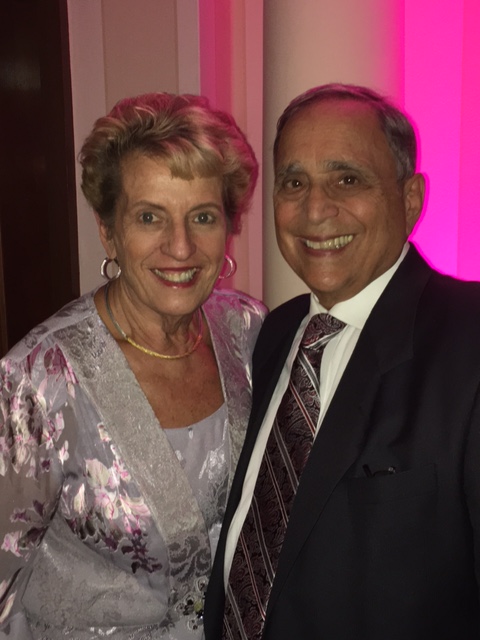
You can see how much my mom and dad loved each other

In a world where divorce is far too common, the lyrics of the song ring true.  When you find the one, you better treat them right.

Yeah I hear voices all the time.  Sometimes I try to ignore ‘em, but I thank God for ‘em.  ‘Cause they made me who I am.

There is no doubt that I am the person I am today because of the lessons from my grandparents, my parents, some aunts and uncles (both blood and those I call aunt and uncle) and my mentors.  Understand and appreciating that is so important.  As my children are now in their 20s, I hope they listen to their voices – their grandparents, their parents, their aunts and uncles and their mentors.  We get so much wisdom from those close to us and whether we know it or not, it embeds in our brains. 

I no longer try to ignore those voices.  Perhaps its from the lessons I’ve learned from Mickey about my relationship with God.  Perhaps it’s years of learning to pray and meditate in a way that is meaningful to me.  Perhaps it’s the daily meditation and focus on gratitude for the life I get to live.  I’m not really sure about the why and it doesn’t really matter.  What matters is listening to them and their wisdom.  What matters is being teachable. 

I have written a lot about my struggles since October 7th.  I’ve tried to express it in many different ways.  I recently watched the music video of the original song “OK” by John Ondrasik, known by Five for Fighting.  He’s not Jewish however this song and video is about not just October 7th but the feelings afterwards.  It expressed what I have struggled to do.  It’s a powerful video and there is a warning in the beginning.  I suggest you watch it and leave a comment on this post about your experience. 

Watch it on YouTube – it has some graphic video from October 7th in it.

The song has become another voice I hear, helping me cope with the trauma of October 7th and everything that has followed. 

I treasure the voices I hear not just for their lessons but also for who’s voices they are.  It brings this wonderful people back to life on a regular basis.  And my life is better because of their lessons that they keep teaching me.