I met Mahmoud in 2019 on my Encounter trip. You can read about the trip starting with this blog post and continue forward. It was great to see Mahmoud and we hugged when we saw each other. He asked us to sit as we caught up on our families, work, and life changes. This of course brought up the war which has impacted him both economically and in terms of how safe he feels for his family. It was another connection point as I have those same feelings as a Jew in the United States.
Mahmoud is incredibly smart. The conversation was deep and not stuck on talking points or things that often impede real conversation. It was refreshing to have somebody to talk with about what is happening without the incitement of specific words.
We didn’t use words like Genocide. We both agreed that lots of people were dying, and we wanted that to stop. We didn’t use words like forced famine. We agreed that not enough food was getting to the people, and they were hungry. He doesn’t believe enough food is getting in even if it wasn’t being stolen and sold. He said there were fewer trucks going in now than before the war. From what I understood that wasn’t accurate but I didn’t have the facts in front of me so chose not to dispute that point and just agree that people were hungry. We agreed that the Hamas attacks on October 7 were unacceptable. We agreed that Hamas was evil. We agreed that Hamas must be removed and cannot continue to exist in power. The murders, rapes, burning of bodies, and other actions were evil and unacceptable. He shared that he and his friends were horrified when they learned of the attack. We agreed that taking the civilian hostages was unacceptable and he shared that his hope was that they would be released the very next day. He also said that he felt the taking of soldiers was different as this was an act of war by Hamas and taking military personnel for future prisoner swaps was ok. While I understand his position on this, I struggle with it because of how Hamas treats prisoners.
We talked about Zionism. When we met in 2019, he made the comment that, “If Zionism means the Jews have a right to the land and we do as well, then I am ok with Zionism.” When I said that the definition of Zionism is that the Jews have a right to a homeland and says nothing about anybody else, he commented that too many people disagree with me. There are people who believe all of historical Israel belongs to the Jews and not only should we have the West Bank/Judea and Samaria but also Jordan and more. That Greater Israel should be ours. Just like there are Palestinians who believe there should be no Jewish state at all. They believe the entire land should be Palestinian. We can’t listen to the extremes and that’s where we are at the current time. The media only covers the extremes. That is what sells. That’s what gets ratings and advertisers.
We talked about the campus protests. He wasn’t aware of the number of outside agitators that were involved with them. As we discussed it, he commented that the fascists and communists always do that. This is their pattern throughout history, so it isn’t a surprise. I shared that in my opinion they were stealing his story and his pain for their own agenda which had nothing to do with Palestinians. It was about anarchy and changing the United States government. He agreed.
We discussed how the status quo in the relationship between the Israelis and Palestinians was not something that could continue long term. When I participated in the Encounter trip, one thing that was clear to me was that the status quo couldn’t continue. We agree on that. From the day I met him, Mahmoud has been a proponent of a one state solution. For him this doesn’t mean someplace that is free of Jews. It is his position that Israel already controls the entire area and that it is already one state in which some of the people who live there get treated differently. The challenge of a one state solution is that it would mean that Israel would no longer be a Jewish state. That’s the cost of peace in a one state solution. Unfortunately, I agree with him that the cost of a one state solution is the loss of Israel as a Jewish state. I chose not to tell him that this would be unacceptable to the world Jewish community as the entire purpose of having a state of Israel is to have a Jewish state. It is why I believe a one state solution will never occur. The Palestinians would have to agree to leave the land and they are not going to do that.
He was pessimistic about any chance of a two-state solution working. He made the point that Gaza was effectively a two-state solution. We see how that worked out. I agree with him. The challenge of a two-state solution is that the Palestinian leaders and people need to not just accept that Israel exists as a Jewish state but also there will be travel limitations and challenges because there are two countries with sovereign boundaries. This also doesn’t even consider the trust factor needed. The current trust factor is at best zero right now. When I made the comment that it might take ten (10) years to get to a real two-state solution he shook his head and told me that was likely too long. He said if it is going to take 10 years, it is dead. I don’t agree with him here and we spent a lot of time talking about leadership.
For those who have been reading my blog, you know how critical I have been about our lack of leadership. This lack of leadership exists in the Jewish community, in America, in Europe and certainly in Israel and with the Palestinians. The Palestinian Authority President Abbas was elected to a 4-year term in 2005. There have not been elections since. He is in year 20 of a 5-year term. The world stays silent and supports him. Prime Minister Netanyahu has been in power longer than any other Israeli Prime Minister. While he has been in and out of power due to free elections, there is a reason why many countries have term limits for these and other positions. A new voice is needed. New leadership.
Both Mahmoud and I expressed our concerns about future leadership. Who might it be? Mahmoud is concerned Israel will elect Ben-Gvir, Smoltrich, or somebody on the far right like them. I don’t share those same concerns as the Israeli people are not far right like them. They are given a far too large platform because Netanyahu needs them to remain in power. I am concerned that the leadership that will follow Abbas is going to be Hamas or Hamas like. Somebody who will not lead towards peace but will lead back to the days of the intifadas and violence. Both of us are stunned that in the United States, with well over 300 million people, these are the two candidates we have for President. Because of their age, it is unlikely that either of them will be running in 2028 (one won’t be eligible per our constitution) so perhaps we can see some change in the US in four years but no matter who wins, it will be a very challenging four years. With all this negativity about leadership, Mahmoud wanted to talk more about the people rather than leadership.
His concern is that leaders are elected by the people. His concern is that the anger and rage at Hamas is spilling over to the Palestinian people and will make things worse. There are people who say, “just bomb them all” or “flatten Gaza and kill them all” or “they are all terrorists”. I shared with him that as I was in Kfar Aza and at the Nova site, I felt rage. I didn’t share that at Kfar Aza, as each bomb exploded in Jabaliyah, I felt better, as not only does that really bother me that I felt that way but also it would have been counterproductive to our conversation. He isn’t wrong. Israel is not the same country as it was on October 6. The people of Israel are not the same. The events of October 7 have altered the people and the country. I don’t know where it is going to end up. I told him I remain hopeful that when the war ends, and the war will end at some point, I am hopeful that the Israeli people can heal and look to a future where there can be peace and something like October 7 will never happen again. He was much more pessimistic and really fears that the long-term impact on the Israeli people will be to radicalize them further and further to the right. I shared my hope that after the war, it would bring them back towards the center due to the desire to live life.
We also spent time talking about how important it is for Jews and Palestinians to talk the way we were. To respect each other and share ideas, not ideology. To work towards finding solutions, not arguing and fighting for the sake of arguing and fighting. He shared that while some Israelis do some to talk with him, he has no platform in Israel to do this. Coming to the United States to talk to Israelis and Jewish communities isn’t the answer either. We need more dialogue. We need more discussion. This brought me back to my points about leadership and how they can’t and won’t do this. Perhaps after the war ends and Bibi is replaced and in the next few years when it is likely that Abbas will die, we will have a chance for new leadership that is willing to engage with each other and really work for the benefit of their people rather than to remain in power. Maybe I am overly optimistic. Maybe I am being too positive and too hopeful. I don’t see another way to live.
As we wrapped up our 90-minute conversation, there is much to think about and much to contemplate. We hugged goodbye and made plans to get together on one of my future trips to Israel. Because of the time and the heat, we chose to take a cab back instead of walking. Matthew and I began to talk a little about the experience, but those conversations will happen back in the US over a coffee or twenty.
I appreciate Mahmoud for giving his time. For sharing his opinions and concerns. For listening to both Matthew and my comments, concerns, and opinions. For being open to a real discussion and conversation. For looking to the future and not being stuck in the past. As we said during the conversation, we can’t change the past, but we can change the future. I look forward to future conversations with Mahmoud and to a future where there is peace. To a time when the Palestinians can live in peace with their neighbor Israel. When the thought of another October 7th isn’t on everybody’s minds.
My friendship with Mahmoud and a number of other Palestinians living in East Jerusalem and the West Bank/Judea and Samaria (two names for the same place) are examples that we can live together. We can have difference and get beyond them and live together. It gives me hope that when we finally get new leadership who truly cares about a different future, we might be able to have peace.
The events of October 7th have been widely circulated and publicized. Most people know what happened and even thought there are deniers, they are largely discredited. As sombody who sat in front of the TV all day on October 7th while sending WhatsApp messages to my Israeli friends and family to check on them, I have been more aware than most. In addition, I put together a viewing of the 47-minute Hamas video and I saw the Nova music festival documentary and heard a survivor speak afterwards. I have friends in the IDF reserves who gave me updates.
I thought I was prepared when we went to Hostage Square and heard from the fathers of two hostages earlier in the week. I wasn’t. Hostage Square was overwhelming and I want to go back and just sit there for hours with the family members to show support. Hearing the pleas of the fathers of two hostages was beyond painful. I’ve mainly processed the experience and while the hostages will be in my heart and mind until they are released, I figured out a way to cope with the experience.
Today, we went to the Gaza envelope. This was something I have looked forward to being able to do since October 7th. To volunteer with agriculture because the Kibbutzim and Moshavim are short workers. To visit Kfar Aza or Be’eri, the Kibbutzim that were brutally attacked. To be at the Nova music festival site and pay tribute to those murdered by Hamas terrorists while they were enjoying live music and their friends. It felt noble. It felt important. And it was.
The location of the farm where we worked on the lemon grove
Working on the lemon fields was rewarding. It wasn’t fun work. It wasn’t hard work. It was necessary work. We started by seeing the office area, using the bathroom, and getting a feel for where we were. We were about 2 miles from Gaza. They had a collection of rockets fired from Gaza in the front as well as some remnants from the Iron Dome rockets that shot them down. I got a chance to hold one of the Iron Dome rockets which was much lighter than I expected.
Holding an Iron Dome rocket used to shoot down a Hamas rocket
We then spent about an hour and a half cleaning the trees, cutting away excess branches that made it harder for them to properly water and nourish the trees. The lemons were big and delicious and I cut one up to squeeze into my water bottle. As we worked the fields, we found parts of rockets and Iron Dome rockets lying around. They couldn’t be bothered with cleaning up the smaller fragments from the grove.
Our guide from the kibbutz shared the challenges with having lost their workers from Thailand and all the workers that came daily from Gaza. The King of Thailand won’t allow them to come back to Israel but he was able to get some Thai workers back by having them go to Cypress and then pick them up there. They also added some workers from India but are still woefully short of labor. When we asked him if the Kibbutz lost any members on October 7th, his response was a bit surprising. “Yes, only 4”. I had to double and triple check that he understood I meant were any of them murdered by Hamas terrorists, not if they decided to leave the Kibbutz. He understood clearly as he told me they had 3 women and 1 man murdered. He said they got lucky. Some people climbed out of the window and ran to other houses, allowing the people coming from Gaza to just rob their homes. Others opened the door and told them to go away and they did. Nobody is sure why they got so lucky (as if having four people in your community murdered is lucky) but they were.
I think the most impactful think that he said to us was that they were planting because it gives them roots. They aren’t going anywhere. They aren’t leaving the land. They aren’t moving and they aren’t afraid. This is their home. It was a powerful statement and I thought to myself, “F them! I’ll move here. I’ll live here to show Hamas and others that we as Jews aren’t going anywhere!” Since my wife has already said I have the softest hands of anybody she knows, that feeling was really good for about 30 minutes and then reality set it. I’m not moving to be a farmer in the south of Israel. But it should did feel good for a while. Israel is our historic home and after 2,000 years, we aren’t giving it up and aren’t leaving.
On the way to Kfar Aza, one of the men on our bus asked if we could stop at the bus shelter near the Nova site to pay tribute to two of his friends who were murdered that day. As it turns out, one of the people was the uncle of the woman I heard speak in Orlando after the showing of the Nova documentary. Lee survived the massacre. Her story was brutal and gunwrenching. She had described the shelter she hid and and where she watched her uncle and others die. To see it in person and pay my respects both to her uncle and the others who perished but also to honor her survival, I wanted to get out and see it as well.
The exterior of the bomb shelter where Lee Sasi hid and her uncle and 11 others were murdered
I have been inside bomb shelters on prior visits to explore them. I knew what the size was like, the dark and dinginess. The feeling of being trapped even as the only one in there. For some reason I didn’t apply that when Lee told her story. As I stepped into the bunker, it all camp flowing back. I thought about 25 or more people cramped in this tiny space. I thought about being trapped with no way out as terrorists reached their guns around the corner and began firing randomly, guaranteeing to hit people based on both the small area and the concrete walls. I thought about what would happen each time a grenade was thrown into that small space by the terrorists. I thought about Lee, hiding underneath dead bodies to protect herself from the bullets and the grenades, using the dead bodies as shields from the explosions of the grenades. It became overwhelming and I quickly left.
Walking through the bomb shelter where Lee Sasi hid and 12 people, including her uncle, were murdered.
On the entrance and interior of the shelter there are plaques to commemorate the 12 who were murdered in this shelter. There were stickers to commemorate and remember each individual who was murdered here. It was a powerful thing to see. I’ll never forget Lee Sasi’s story nor will I forget seeing As we headed to Kfar Aza, I had no idea that this wasn’t even close to what I would experience.
Earlier I said I thought I was prepared for Hostage Square and wasn’t. I also thought I was prepared for our visit to Kfar Aza. I have a friend who is from Kfar Aza and I knew it was beautiful before October 7. When we pulled up, it looked like many other kibbutzim that I have been to. Beautiful trees, grass, and warm, welcoming feel.
Welcome to Kfar AzaBeautiful entrance to Kfar Aza
For those of you that don’t know, Kfar Aza is located in what is known as “The Gaza Envelope”. It is 1 mile west of Gaza and the city of Jabalyia. You can easily see Jabalyia from Kfar Aza. The people of Kfar Aza were peaceniks. They believed in peace and lived in peace. They had Gazans coming to work at the kibbutz and eat there as well. They’d sit as friends. On October 7, 2023, Hamas terrorists broke through the gate of the kibbutz, massacring the people in the kibbutz. 62 people were murdered with another 19 people taken hostage. Four of those people remain hostages today.
Jabalya in the distance. The back of the Kibbutz’s fields are only a few hundred feet from Gaza.
As I said earlier, I thought I was prepared for Kfar Aza. I thought I understood what happened there. After all, I had watched tv all day on October 7th, talked to friends of mine who live in Israel and serve in the IDF, talked with friends who live in the south, close to Gaza. I saw the 47-minute Hamas video. I watched the Nova documentary and heard a survivor speak afterwards. I talk with my friend who is a reserve commander in Gaza and one that is a reserve commander in the north. I’m very plugged in and get real information. And yet, I wasn’t close to being prepared for what I saw.
As we began to tour the area of the Kibbutz where the Hamas terrorists attacked, I was sad with what I initially saw. It was what I expected. Houses with their roof torn off.
House in Kfar Aza with the roof torn off House in Kfar Aza with their Sukkah still up 7 months later.
Then we moved deeper into the Kibbutz and our guide from the IDF started telling stories. Watch her tell the stories. They are powerful and painful. It is something I will never forget.
Outside one of the homes in Kfar Aza where the IDF soldier tells us the story of the family who was murdered by Hamas.
This was powerful. It was hard to hear. Hard to look at the house and know the story that went with it. Yet we were only beginning.
She walked a little bit, stopped at another house, and told us another story. I’m sure she has told these stories many times. It was clear to me that no matter how many times she tells the story of the people murdered in each house, it causes her great pain. My anger continued to grow. I could feel the rage growing in my body. We moved on to another home and another story.
By this time I was boiling over with rage. I began thinking about those who deny this happened. I was thinking about those who say and believe that these people deserved it. I was furious with those who say it is all Israel’s fault and Hamas was right to massacre the Jews. I began hearing bombs dropping in Jabalya and something strange happened that I didn’t really like and continue to struggle with. Instead of feeling fear, I felt relief. Each time I heard a bomb explode just a mile away from me, it made me feel better. I’m not proud to say this and I don’t want any innocent people to be harmed. Yet what Hamas and those Gazans who followed them and looted and raped did was so horrific, bombs became the salve for my soul. Part of me feels terrible for this. Part of me is glad that something soothed my soul. It’s incredibly conflicting and I don’t think I will come to any resolution for a long time. We began walking to the next home.
The next area of homes were the youth village. At Kfar Aza, when you turn 18, you move out of your parents home and into your own apartment in this part of the Kibbutz. She told us that this was filled with life. Music and dancing. Karaoke. Barbeques. Fun. It was the heart of the Kibbutz. This was the part that was hit the hardest by Hamas. As we walked down the street, we saw pictures of those murdered and kidnapped.
There were so many, I only took a few pictures. We reached an intersection and turned towards the gate that Hamas breached to enter the Kibbutz. You can see from the picture, Jabalya is just behind the Kibbutz. 1 mile away. Maybe a little less.
I went to the gate and recorded this video. As the bombs continued to fall, it made me feel good. I hate writing that and I hate admitting it. It is not the person I am nor the person I want to be. Hamas is that type of evil. As we experienced the impact of October 7 in this part of the Kibbutz, the need to eliminate Hamas was not only clear but became an imperative.
As we headed down that part of the Kibbutz, the IDF soldier asked us not to take any pictures of the houses on that street. Everybody who lived on that street was either murdered or kidnapped. Let me repeat that again. EVERYBODY WHO LIVED ON THAT STREET WAS EITHER MURDERED OR KIDNAPPED.
The bombs went off again and I hate to admit that my thought was, “They are not coming fast enough. We need more bombs in Jabalya. We need bombs in Rafah. We need them home.” I’m not proud of these thought but I want to be honest about the feelings that were occurring as I was seeing and hearing the horror of Hamas terrorists.
We headed to the final home we would learn about and visit. They had previously explained to us that the circle with the dot inside on the walls meant there was a dead Israeli inside. They explained all the other symbols as well but that was the one I looked for first. On this house, however, along with the circle with the dot inside, there was written in Hebrew that there were human remains on the couch. Watch and listen to her tell the story.
The couch no longer exists although some of the remains are outside the house. There are pictures of the couch inside. Here are pictures of not just the couch but also inside the house. Grenades were thrown in the house so what you are looking at are because of grenades, not bullets.
Picture of the couch with human remains on it. You are looking at the blood.The ceiling. These are from grenade explosionsMore damage to the ceiling from grenades. Imagine being in the room.More pictures of the horror inside this house
I was glad this was the last house. I was completely overwhelmed with anger, resentment, sadness, grief, and similar emotions. The horror documented in this house was beyond comprehension. I couldn’t speak for a bit as we walked down to the end of the road and met with one of the new leaders of the Kibbutz security team. The team is new because 7 of the 12 members were killed by Hamas and 3 were injured. Listen to his words and maybe you can understand what they faced and what it is like today not just in Kfar Aza but all of Israel.
We headed to the bus, all of us shaken by the experience. It was quiet and solemn. It was intense. We were all a little anxious as our next stop was the Nova music festival site. After what we just saw and experiened, would we be able to handle the Nova site? I really didn’t know.
We arrived at the Nova site about 20 minutes after leaving Kfar Aza. I needed the time on the bus to just have quiet and some peace. As we pulled in, it looked so peaceful and beautiful. I could imagine the festival happening and the joy of everybody in attendance. When we got off the bus, Saul Blinkoff, our amazing trip leader, showed us a picture of where we were standing from October 7, 2023. I took a picture on May 16, 2024. You can compare the two and see how much was left in haste compared to the emptiness now.
October 7, 2023 Nova Music FestivalMay 16, 2024 Nova Festival
I wandered around the site, letting everything seep into me. There was a sadness and a beauty to the site. It was also overwhelming at the sheer number of people that were memorialized at the Nova site.
The pictures of everbody who was murdered or taken hostage at the Nova music festival. Look closely as there are a lot pictures of people.
I wandered amongst the pictures and notes about each one of the victims. Looked each person’s picture in the face and said their name in my head. Remembering them as living people. Paying tribute to how they died. Praying for their safe return if they were taken hostage. It was amazing how many young lives were ended. It reminded me of Kfar Aza and how the young people were wiped out.
Walking through the Nova site
After wandering around looking at the images of those murdered or kidnapped and taken hostage, I found myself wanting to sit down in front of some of them and really look at the person. Spend some time with them, as if I was sitting at their grave. Treat it like I was going to the shiva house (house of mourning for the 7 days after burial). So I did. It was beautifully peaceful. It felt right. Investing time in remembering these beautiful, innocent people who were murdered by Hamas because of hate. As I sat for 5-10 minutes in front of various memorials, I found some peace. Kfar Aza was hard. Nova seemed different. Perhaps it was the lack of obvious violence at the site. Maybe it was the beautiful tribute to the souls lost or kidnapped on October 7. At both Hostage Square and Nova, I felt the same peace in my soul. Awful atrocities happened at Nova and Hostage Square is a remembrance of the kidnapping and murder of innocent people. Yet both seemed to have a soul calming effect for me.
In front of the Nova tribute. It’s beautiful and peaceful and sad.
While at Nova, we had the privilege of hearing directly from Rami Davidian, a true hero of October 7 and the Nova music festival. You will want to read about him here as I can’t do justice to his story, but I will tell you a bit of it and the impact and takeaways for me.
Rami is a farmer who lives in the Gaza envelope. At 6:45 am on October 7, he received a phone call from a friend, asking him to rescue his daughter, who was near a farm in the area. She had been at the Nova festival and managed to escape and was hiding from the terrorists. Rami not only saved her, he found others on the way to save her and got others to come pick them up. Since he was out saving people, his number was shared to those who had children at Nova and his WhatsApp was filled with requests to save people. He showed us the number of messages he received. It was unbelievable as scrolled and scrolled and scrolled.
The story he told us that made us all gasp was when he went to rescue a girl named Amit. He was able to figure out where she was and as he came up to rescue her, he saw that she was surrounded by 6 Hamas terrorists. Thinking quickly, he spoke to them in Arabic (he is fluent) and introduced himself as Abu Rami, a muslim. He told them that the IDF was closing in on them and they needed to run now to stay alive. As they began to move, he told them he would take the girl to his car and come around to pick them up. It would save them time and keep them safe. They believed him, gave him Amit, and ran. He took Amit back to the car and drove away.
Unfortunately, Rami also found many people who were murdered. He took them all to one spot where he laid them together. For each person he found dead, he would also say the Shema before he left them, saying the prayer for them in case they weren’t able to. There were people who reached out to him to save their children and Rami knew they were already dead. He didn’t feel it was his place to tell them this news so he would either lie that he couldn’t find them or ask them to pray to God for safety. Even during this crazy and horrific time, he thought with compassion.
Rami is a true hero. A regular man who took action when needed and saved 750 people. To put that into context, Oskar Schindler, famous for saving Jews in the Holocaust and highlighted in the Steven Spielberg movie, Schindler’s List, saved 1200 people. Rami is a role model. A hero. A regular man who did great things. He should inspire us all to do what we can to make the world a better place. There are generations that will exist because of Rami.
Standing with Rami, a true hero, at the Nova site. He rescuted 750 people that day.
We finished our time at Nova in an incredibly beautiful way. We had Anders, a musician, with us all day and at Nova, he gathered us together in a circle to play guitar and sing. Since we were at the site of a musical festival that was attacked by terrorists who committed horrific murders, rapes, and kidnappings, I couldn’t think of anything better as a tribute to those at the festival than to play music and sing. As he played the song and we joined in, our singing attracted others. A number of boys from Miami who were visiting the site joined us as we put our arms around each other, rocked back and forth, and sang loudly. It’s something I will never forget. While the impact of Kfar Aza remains and I have much more processing to do, the time at Nova was incredibly healing. It is a place I want to return to regularly, not just to pay tribute to those who lost their lives, were kidnapped, or who escaped, but also to heal my soul.
Anders leading us in song at the Nova site. It felt right to be singing and brining music to this site.
This was a heavy and hard day. Our trip leader told us that what we were doing was similar to visiting Auschwitz not long after it was liberated. I don’t like comparisons to the Holocaust as nothing does compare to it. 6 million Jews and 11 million people are not the same as the 1,200 people murdered and 250+ kidnapped on October 7. The thought behind it, however, was the same. True genocide. Not the made up word used by those who hate Israel and the Jews. Full intent to kill every Jew and Israeli they found. The goal was to eliminate the Jews. I think back to the joy in the voice of the Hamas terrorist telling his parents that he killed 10 Jews with his own hands. His celebration. He dad congratulating him. His mother being excited and elated that he killed 10 Jews.
It bothers and frustrates me that people think Hamas is the victiim. That those who support Hamas and their evil are the ones deserving of praise. When it’s a Jewish person, I shake my head, as they clearly don’t understand that these people want them dead. The media does a terrible job reporting on Israel, with tremendous bias and often times outright lies. After having been to both Kfar Aza and Nova, it is even clearer what a terrible job they have done. The horrors at Kfar Aza will remain with me. The feeling of standing on the grounds of the Nova festival will remain with me for life. Looking at the skyline of Jabalya, less than a mile away, will stay with me. Note that I said skyline – there are buildings, and plenty of them, in Jabalya.
This has been a pilgrimage for me in many ways. I needed to be in Israel for my own connection. I needed to be immersed in the culture and with the people. I needed to be here for Yom HaZikaron and share the sadness with my Israeli brothers and sisters. I needed to visit Kfar Aza to see and experience the horrors that happened there. I needed to put my feet on the ground at the Nova site, to walk around and pay my respects to those who were murdered and those who were kidnapped. I needed to sing while at Nova to honor the festival and heal my soul.
As somebody who has been to Israel 21 times now, I know not the believe the media reports. Too many others don’t. It isn’t the same Israel that I visited the first 20 times. There are questions about the hostages. Questions about Hezbollah and the north. Uncertainty about American policy. PTSD from October 7 and everything that has happened since. The hostages need to be returned. Hamas and the war in Gaza needs to be finished. Hezbollah and the north need to be stabilized. There are many existential issues facing Israel and Israelis. I’m glad to be here now and make my contribution, however small it may be.
At the end of the day, we can all do something. If you can come to Israel, please do. If you can’t, do what you can. Speak up. Speak loudly. Don’t hide. Learn the facts to address the lies. What we each choose to do now will not just shape the Jewish future, it will determine the Jewish future.
There is something special about being in Israel. For those of you who have been here, you know. For those of you who have not been here yet, I can’t explain it. It’s the air, the sounds, the smells, the energy that exists. Even in the middle of a war, I feel peaceful.
I got my frozen Aroma (the best coffee drink ever) and went to get a taxi to my hotel. My driver was former military (like most people in Israel). As we discussed the war, he shared that when he was on active duty and reserves, his unit was like the one in the TV show Fauda. If you haven’t seen the show, it is a must, especially with what is going on now with the Hamas-Israel war. It might provide some insight into the challenges that exist to finding peace. He showed me a picture of him undercover. It was incredible to see. As we pulled up to the hotel and got out of the car, the 8 pm siren went off. I have been here for Yom HaZikaron two other times and know what the siren is like, however this year was different for me. As I stood outside my taxi with everybody else around, standing proud, silent, and thinking about all those who have lost their lives in defense of the Jewish people and Israel, I got emotional, and tears came to my eyes. The minute was over far too quickly, and it made me long for the two-minute siren today and to be in a large group like I will today. There is something about being a Jew and being the majority especially during significant times like this that is indescribable until you experience it. It is something that you can’t comprehend and can’t even imagine until you experience.
I went for my walk on the beach, sat there enjoying the sound of the Mediterranean Sea, the fresh Israeli air, and the sand between my toes. My friend Matthew finally arrived after spending 30+ hours traveling after United cancelled his flight a few days ago and we hung out before crashing for the night.
Monday was the full day of Yom HaZikaron. It also meant Israeli breakfast. For those of you that have never been here or had Israeli breakfast, it is simply the best meal of the day. The options are endless, the fruit and vegetables fresher than anywhere at home other than your own garden, the dairy product incredible, and the best way to start the day. The hotel had one of the best breakfasts I have had and I sat with friends eating and drinking coffee (lattes and cappuccinos not Nescafe like my first trip in 1989!)
We left the hotel for the ceremony with the Machal soldiers. I didn’t know we were going to be with Machal soldiers, and this was very meaningful to me. When I was running UF Hillel, I learned about Machal and Aliyah Bet from Ralph Lowenstein z’l, who in 1948 was the second youngest North American to volunteer to fight in the war of independence. Those who volunteered from other countries were part of Machal. The museum for Machal and Aliyah Bet was included when we constructed Norman H. Lipoff Hall, the home of the Hillel the University of Florida. Ralph would regale me with stories of his time on the boat traveling to Cypress to immigrate to Israel, his time driving a halftrack in the war, and the conditions they had to fight in. When we dedicated the museum in 2005, most of the living members of Machal from 1948 came. They kept thanking me for my part in the museum happening. I told them that all I did was say yes to a great idea and that they were the true heroes. It was one of the most humbling moments of my life as these true heroes, who risked everything including being arrested and losing citizenship to fight for Israel and the Jewish people.
I had been asked to bring some things with me to give to individual soldiers that I met during the trip and was able to hand them out before the ceremony. I shared this opportunity with some friends on the trip so they could share in the joy of doing something nice for the soldiers. As I spent time talking to them, most of them from France, I was struck by a few things.
How young they are. These were babies. They were younger than my own children.
They shared how bad it is in France for Jews. I knew it was bad from reading the news, but they shared much more.
How happy they were to be in Israel, serving in the IDF, protecting Israel and the Jewish people. In the middle of a war where they could lose their lives at any moment, they were happy to be able to serve.
Two French IDF soldiers in the Machal unitA French IDF soldier serving in the Machal unit
They thanked me for coming from the depths of their soul. I have had this happen in Israel two other times. The first was during the second intifada when Jews weren’t coming to Israel. The only ones coming were Christians. When a Jewish group came, they thanked us profusely because they hadn’t seen American Jews coming to Israel in a long time. It made me sad then and makes me sad now. The other time was when I came in 2021 just before Israel was reopened due to Covid. Tour groups hadn’t been allowed to come until ours and the looks we got wearing our badges were incredible. People came up to talk to us, ask questions, and thank us for coming. We brought a sense of relief and support once again that had been missing. It reminds me of our obligation as diaspora Jews to come to Israel, to support of brothers and sisters all the time. How much they need us even though they appear to be tough and can take care of themselves. They need to see us, to hug us, to talk with us, and to laugh and cry with us.
During the ceremony, which was very moving, there were a few things that stuck out to me. First, as Jews we always live with hope. We always have. We always will. Hope for the future. Next year in Jerusalem at every Seder for generations. My Ethiopian Israeli friends often talk about their hope when living in Ethiopia to one day return to Jerusalem.
An originial Machalnick from 1948 speaking at the ceremony. May he live to 120.
Secondly, the impact of North American Jews in the creation of the State of Israel in 1948. Ralph would always share the role we played with the air force in 1948, with getting the planes, weapons, and equipment needed to fight the war. It was illegal for Americans to help provide Israel with any of this at that time, yet so many brave people did. My friend Ann Bussell would tell me stories about her father, Shepard Broad, and how he provided the funding to retrofit the ships in the Miami river. She loved telling me stories about how as a little girl she would play on the deck of the ship, Exodus, in the Miami River. How American Jews took incredible risks to give Israel a chance to survive. If they could risk everything on a state fighting with an army that was overwhelmed in numbers and equipment, what are we prepared to risk today for the incredible State of Israel. It made me think deeply.
As the ceremony ended and we gathered for lunch, our trip leader, Saul Blinkoff, shared some wisdom with us. I took three things to heart.
One, “if you don’t stand up, you can’t survive.” It sounds so simple, yet it is very true. We are not the Jews of the 1930s and 1940s who went to the gas chambers. We are not the Jews who stood by during the pogroms in eastern Europe. We are not the Jews who converted during the Spanish Inquisition to avoid prison, deportation, or death. We stand up today. We fight back today. After Hamas violently invaded Israel and murdered 1200 people on October 7th, we didn’t sit back and apologize for existing. Those days are no longer. As Jews we are proud of who we are and will fight for our survival. NO MATTER WHAT. We have Israel to thank for that.
Two, one of the reminders of the horrors of October 7th was that the Sukkahs were still standing for a long time afterwards. The attack came on the Jewish holiday of Simchat Torah, the end of the holiday of Sukkot. There wasn’t time to take the sukkahs down as people were reporting for reserve duty immediately. Many had been murdered in the Gaza envelope so there was nobody to take those sukkahs down. The sukkah, a reminder of the temporary nature of life, designed as temporary structures, stayed up for weeks after they should have been taken down. Temporary had become more permanent. But they were temporary and came down. Just like the horrors we are dealing with right now are temporary and will end. The IDF will succeed. Israel will be kept safe. We won’t be in Gaza forever, just longer than anybody would have hoped to ensure Israel and the Jewish people are safe.
Third, time is the one thing we can’t get more of. We never know how much we have, and we can’t make more. Yet on Yom HaZikaron, time stops. This was my third time being in Israel for Yom HaZikaron and time does stop. Things are much slower. It’s a day of thoughtfulness, of mourning, of reflection. The contrast between Memorial Day in America is profound. There are no sales. There are no barbecues. Stores and restaurants are closed. The siren goes off for a minute at 8 pm as the holiday begins and then for 2 minutes at 11 am the next morning. The nation stops and stands at attention.
When we got back to the hotel after the ceremony, we had some free time, which was greatly needed. My friends Matthew, Michael and I went to the beach to sit, talk, relax, connect, and then go for a swim in the Mediterranean Sea. The water felt incredible, the wind making us a little cold, but it was refreshing. In some ways it was like a dip in the mikvah (ritual bath) that refreshes and renews you. We headed back to the hotel for some time in the steam room to relax before getting ready for our final speaker and then dinner.
Our final speaker of the night was my friend Yaron. He was a commander in the IDF in Gaza for the first 4 months. He responded on October 7th. He had an incredible military career and I have written about him many times. He is a true hero and a real badass. He is also one of the nicest and humblest people you will every meet. He and I gave each other big hugs and caught up a little before his presentation. Brothers. Friends. Judaism is so much more than a shared religion; it is a shared family. Yaron is like a brother to me and I worry about him during this war.
Hanging with my brother Yaron
As he talked about October 7th, ‘a day of hell’ as he described it, the day came to life for me in a way it never had before. His commander ended up at the Nova festival by accident, fighting terrorists and trying to save lives. Yaron had to defend his military base which was under attack. He had to defend another military base that was under attack. He had to fight his way to get from one place to another as terrorists were controlling the area. The frustration in his voice as he talked about all the phone calls he was getting from people who needed the IDF to save them was palpable. For some reason, his cell number was given out to people, and he was getting calls from all over, trying to figure out logistics and how to attempt to save people from the terrorists that were committed to murdering, raping, and kidnapping Israeli civilians. When Yaron decided that he was going to go back to the main base to better help defend Israel, he was questioned about the risk to his own life in trying to get there. He responded that he had to do it to save lives. As he went to go alone, one of his friends who served under his command jumped in the jeep with him. When Yaron told him to get out and not risk his life, his friend told him that he was in the reserves, so Yaron wasn’t really his boss, and he was going. Two young female soldiers in their early 20s jumped in the back. Yaron ordered them out and they gave the same answer his friend did. That’s Israel. Saving lives was most important, even at the risk of their own lives. When they got back to the base, they began searching for people to save. I’ll never forget Yaron telling us that ‘there was nobody to save’.
One of the things that tied together the sadness of October 7th and the way the Jewish people focus on the future and on hope was a picture and story Yaron told us. He has 7 children and not too long ago his 6th child had his Bar Mitzvah. They held his Bar Mitzvah at Kibbutz Be’eri, one of the places that was devastated by Hamas terrorists on October 7th. Despite the death. Despite the sadness. Despite the loss. The Jewish people will live on. We will celebrate joy. We will not just survive, we will thrive.
Yaron with his son at the Bar Mitzvah at Kibbutz Be’eri
Yaron had to leave after the presentation because he had to back to Gaza. He said it to me the way I would have said, “I have to go back to the office” or “I have to go to the grocery store.” That struck me as well. He was going back into harm’s way as if it was no different than going to the store. He understands what is at stake is the future of the Jewish people. I’m hoping to see Yaron again today or tomorrow before he has to fly to the US but neither of us in charge of that. It depends on what is needed in Gaza. What a strange sentence to type and thought to have.
The group of us went out to dinner at a great meat restaurant. They fed us like at a Brazilian steakhouse and we ate and talked. The sun set over the port of Tel Aviv and we shifted from Yom HaZikaron to Yom Ha’atzmaut (Israel’s Independence Day). Normally this is an incredible transition with sadness erupting into incredible joy. I’m still processing how different it was last night and will write about that in my next blog post. It’s too much right now, especially with the entire day of Yom Ha’atzmaut ahead. As Saul was talking to us about the transition, he talked about pain and suffering and the difference between them. He told us a story about a woman giving birth and her husband was there with her. As she was in excruciating pain, he began making faces of pain. She stopped, mid push, and asked why he was making faces when she was in pain. He told her he didn’t like to see her suffering. She took a deep breath, paused again between pushing, and told him she was in pain, not suffering. Saul, and the story, reminded us that suffering leads to nothing. Pain leads to growth. As we deal with the pain of October 7th, the pain of the war in Gaza, the pain of the loss of life, we can also grow. Suffering is useless. It leads to nothing.
Today was filled lots of pain but no suffering. I’m so glad to be here in Israel, my homeland, with my brothers and sisters. I can feel the healing beginning.
For many obvious reasons, I have been thinking a lot about the world we live in today and the attitudes people have today. It is truly a fascinating time to be alive in so many ways, not all of them good.
I am part of Gen X. I think this has a huge impact on the way I view the world. I know it has a huge impact on how I both raised my children and how I see what is happening on college campuses, in the school systems, and in our country. My generation grew up with freedoms that future generations didn’t have. We were latchkey kids. Most of our parents worked so after school we were free to do what we wanted.
We didn’t have computers or screens. There was no internet or cell phones. We played outside until the streetlights came on. Often times our parents had no idea where we were after school and that didn’t bother them. We were independent. We’d ride our bikes miles to get to other friends’ neighborhoods. Our friends were our friends because of who they were. Race, religion, sexuality didn’t matter. My public school was closed for Rosh Hashanah and Yom Kippur because 1/3 of the students and teachers were Jewish. We were also closed the first day of deer hunting season because 1/3 of the students and teachers would be out hunting. We were an eclectic group of people tied together. I grew up with friends that came from family’s that had lots of money, those who were middle class, and those who didn’t have much money. It didn’t matter. Many of us are still in touch today. We had real friendships that stand the test of time.
I remember when two of my childhood friends finally came out. I, like the rest of our friends, were happy for them that they felt comfortable coming out. We also knew they were gay when we were in elementary school, so it wasn’t a big deal and changed nothing as far as we were concerned. We paid attention to who people were, not identity politics.
As I look at the world today, I wonder how we lost that specialness from my childhood. We are more divided than any time since the civil war. We no longer focus on the quality of the individual but on what sets them apart from us. We no longer care about who people are but rather how they identify. When I was running nonprofits, my goal was always to hire the best person for the job. It didn’t matter to me if it was a man or a woman, what their race or their religion was. I didn’t care about their sexuality. I wanted the best person for the job. Today’s world seems to have more and more focus on the identity of the person as we focus on how we are different instead of how we are similar.
My older son is home for a bit and he took me to the Brightline station (high speed rail between Orlando and South Florida) so I can get my flight to Israel later tonight. As we were talking, he told me about how many of his ‘friends’ he has had to block on social media because of how they were minimizing what Hamas did on October 7th and the need for Israel to eliminate Hamas to ensure the safety of Israelis and to free to people of Gaza. It saddened me to hear this. I don’t know how all my childhood friends feel about the conflict. What I do know is that the vast majority of them have reached out in support of me. I’m not asking them to believe what I believe. I am asking them to be my friend and understand what I am going through as a Zionist and as a Jew since October 7th.
I have long looked at the difference between Israeli youth and American youth. From the time I first began to engage with 18-21 year old Israelis, serving their country in the IDF, and comparing them to my own college experience and then, when working on the University of Florida campus, with the UF students. The similarities and differences were dramatic. On the many Birthright Israel trips I staffed, we had 8 Israeli soldiers join us. They were the same age as our students on the trip. When they showed up in uniform, they were imposing. Awe inspiring. A few minutes after arriving, when they changed out of their uniforms, they became peers with our college students. For the part of the trip they were with us, the similarities between the Israelis and Americans was striking. When they first arrived and then, when they put their uniforms back on at the end of their time with us, the differences were striking.
As a result, it didn’t surprise me that after October 7th, so many members of the IDF reserves showed up. I read that Israel recalled 250,000 reserve soldiers and hoped to get 200,000 to actually show up. Instead, 300,000 showed up. People in America were doing all they could to get flights to go back and serve. My friends who were retired IDF soldiers in the 40s and 50s showed up to serve. They understood the existential threat that Hamas is as a result of October 7th. Many of them went from protesting the Netanyahu government and some of their policy positions to a united front for Israel. It was extraordinary but if you know Israel and Israelis, it was also not unexpected.
Last week, Douglas Murray, one of my favorite people to follow, was given the Alexander Hamilton Award for his ‘unwavering defense of Western values.’ His speech, in text here and the video of it below, was extraordinary.
He spoke about “What it Means to Choose Life”. He uses examples of both the Ukrainian people and Israeli people that make me long for the days of my youth. Unlike our entitled generation that believes everything should be given to them, the people he talks about understand that everything comes with a price. Unlike the protesting college students who think they have the right to incite violence, take over buildings, violate campus rules and break laws without any consequences, the people Murray talks about understand that everything comes with a cost.
I want to be clear that I am not saying the college students shouldn’t protest. Protesting, especially on college campuses, is a right of passage. We have freedom of speech in the United States and as President Andrew Shephard says in the great movie, The American President,
“America isn’t easy. America is advanced citizenship. You’ve gotta want it bad, ’cause it’s gonna put up a fight. It’s gonna say, “You want free speech? Let’s see you acknowledge a man whose words make your blood boil, who’s standing center stage and advocating at the top of his lungs that which you would spend a lifetime opposing at the top of yours.” You want to claim this land as the land of the free? Then the symbol of your country cannot just be a flag. The symbol also has to be one of its citizens exercising his right to burn that flag in protest. Now show me that, defend that, celebrate that in your classrooms. Then you can stand up and sing about the land of the free.”
I disagree with the campus protesters position, and I disagree with how they characterize what is going on in Gaza. I also firmly stand with their right to peacefully say it. To gather in the public allowed space, in the manner that is allowed for everybody, and protest and hold signs, and say what they want. Crossing the line to blocking Jewish students from going to class, harassing them as they walk on campus, threatening them, physically assaulting them, breaking the campus rules and breaking laws is not acceptable and comes with consequences.
I laughed when the spokesperson for the student protesters who took over Hamilton Hall at Columbia University asked for ‘humanitarian aid’. Nobody was forcing them to stay in the building. They could walk out of the building to get food and water any time they wanted. The entitlement was absurd. The students at Princeton who have decided to hold a hunger strike to protest the war in Gaza also made me shake my head. Nobody is forcing them to go on a hunger strike. They aren’t in prison or jail where their care belongs to the state and monitoring them is therefore the state’s obligation. They are choosing not to eat and as a result, they are responsible for their own health monitoring. When they got upset that the University wasn’t monitoring their health as they were on the hunger strike, I thought to myself, ‘What entitlement’.
I missed the protests of the 60s and 70s because I was too young. I have had the opportunity to talk with many people who were part of those protests. Every single one that I spoke with could tell me how many times they were arrested for their protest. Every single one of them was proud of their arrest. They knew there would be consequences for their protest, and they embraced it. They didn’t whine and cry when the consequences came. They had that level of conviction. Today’s protesters seem to lack that conviction. They want the best of both worlds. They want to protest with no consequences and have the rest of the world cave to their demands because they protested once. There are Universities who have done this, and I believe they will face long lasting consequences for doing this. Others have held their ground and ensured that freedom of speech is protected, and inappropriate actions are held accountable and face consequences. Those who have made the second choice are also bearing the fruits of this effort. Their students feel safe. Their graduations are not cancelled. Their donors and alumni are not up in arms. Their University Presidents are not having to testify in front of Congress about how they are failing to protect Jewish college students.
Our world today has the ‘news’ in the ‘entertainment’ department. We have the 24 hour ‘news’ cycle and each station has its own agenda to push. The days of Walter Cronkite reading the news and you getting to interpret it are long gone. Whatever channel you watch feeds you their narrative. Critical thinking is dying. Deep conversations are dying.
On this trip to Israel, one of my hopes and plans is to go visit my friend Mahmoud in East Jerusalem. Mahmoud is a Palestinian Arab, and his family owns the big Palestinian bookstore in East Jerusalem. When we met in November 2019, he pushed some of my buttons and challenged me to think deeper and in different ways. In the 4 ½ years since we met, I have thought deeply on many things he said to us and very much look forward to sitting down for a few cups of coffee or tea, a bite to eat, and having a robust and deep conversation. We won’t settle the conflict, but we can do our little part to build friendships, understanding, and perhaps share what we learn from each other with our other friends that might impact change.
I think that’s the most important lesson of all of this. I remember hearing the stories of how President Ronald Reagan and Speaker of the House Tip O’Neill would argue and fight all day long and then go have a beer together. Mahmoud and I will come from different points of view and will sit over coffee and talk and share. Even as I write this, a friend reached out to share information I wasn’t aware of and it changed my mind and I went back and edited something that I wrote as a result of this new information. We need to find a way to get back to that being the norm. Yelling at each other, only speaking with people who agree with you, repeating lies because they advance your point of view, and anything else that fits into this area does not solve problems. It doesn’t get us to solutions. It doesn’t bring us together. It divides us. It separates us. It leads to physical harm. It degrades us as human beings and as a civilization.
There was a fascinating September 2023 CBS News report that said most men think about the Roman Empire once a day, and some think about it as often as three times a day. My wife asked me about it and I said that I think about it at least once a week. She was stunned. Why do men think about the Roman Empire so often? My theory is that the Roman Empire is a symbol of amazing strength and power. Incredible things came from the Roman Empire. It seemed to a power that would last forever. And it fell. I always wondered how the Roman Empire could fall. It had a strong military, powerful leaders, good economy, art, and culture. It seemed to be the type of society that would last forever. Yet it didn’t. The past few years have given me an indication of how it could have fallen. Internal bickering. Divisiveness. Lack of humanity. Lack of understanding. Growth of hate. Poor leaders in control. I hope that we can learn the lessons from the fall of the Roman Empire to avoid the fall of the American experiment. Freedom, democracy, and our future are too important to just throw away the way we are.
There are a number of people that I love to follow. I enjoy reading what they write, listening to their podcasts, and learning from them. I don’t always agree with them, but I do enjoy them making me think. Some of these include Bari Weiss, Douglass Murray, Daniel Gordis, Donniel Hartman, Kareem Abdul Jabber, Gil Troy, and Yossi Klein-Halevi. I listed this group because if you are looking to find people worth reading, these are a number of them.
In a recent blog post in the Times of Israel, Yossi Klein-Halevi wrote about the war against the Jewish story. I didn’t love the piece. I think he is right on with a few things but misses the most important part of both how and why we are losing the war against the Jewish story.
We have been outsmarted. They say Nakba. We say, ‘The war of independence when 7 Arab armies attacked and because of the briliance of David Ben Gurion and Moshe Dayan and many others, miraculously, we won.’
They say apartheid. We say, ‘Arabs have equal rights in Israel. 20% of college students are Arab. they vote. they are in the Knesset. they are on the supreme court. they have more rights in Israel than anywhere else in the Arab world.’
They say genocide. We say, ‘The IDF is the most ethical army in the world. Have you heard this general from England talk about it? That general from the United States is a big advocate for the IDF and how Israel handles warefar. Here, watch this video.”
They win because they are clear and to the point while we have to have them listen to an essay to explain things. In addition, we assume a few things:
1. People are smart and will actually bother to learn.
We have seen time and time again that while people may be book smart, they are not smart, and they certainly are lazy. They have no attention span and believe what they are fed. This assumption has been proved false and yet we continue to think that they will learn and act the same way.
2. The truth will come out and vindicate us. It does, but that’s on page 25, while the lies are on the front page.
I learned this on my first trip to Israel in 1989. That was 35 years ago, and we still do the same thing, expecting a different result. The lies get the front page of the newspaper, the lead story on the news, and the talking heads pontificating on cable news and the Sunday talk shows. We need to learn to challenge the lies forcefully right away. Call them out. And do so in a brief manner. Better to say “you lie” than to try to explain why it’s a lie to those who won’t spend the time to learn why it’s a lie.
3. People don’t hate Jews.
If there was any doubt about this, it has been resolved since October 7, 2023. It’s clear that plenty of people do hate Jews and will fight for the rights of every other group except Jews. We will be vilified because we are Jews. In Germany, we thought we were Germans first. In the US we think we are either white or Americans first. We aren’t. We are Jews first and always.
We saw this at the Eurovision competition with Eden Golan, who was charged with performing while Jewish. Protesters massed outside her hotel, trapping her in her room. They demanded she be removed from the competition, simply for being from Israel, for being Jewish. In Germany in the 1930s we thought we were German first and were proven wrong. We can’t afford to be fooled like that again.
The protest outside Eden Golan’s hotel.
4. The holocaust matters to this generation.
The Holocaust today is basically like the Civil war to my generation. It is history and not relevant. It is a story. They see a movie. They maybe meet a survivor who is old and hard to hear. More likely it is a 2nd generation survivor now or somebody who was a child at the time.
They also can’t comprehend 6 million people. In the Hamas-Israel war, there are an estimated 22,000 – 33,000 people that have been killed in Gaza. At least 12,000 are combatants. So somewhere between 10,000 and 21,000 civilians have been killed in Gaza and the world is in an outrage. Imagine 100 times those deaths. That would be between 1 million and 2.1 million. There were 6 million Jews and a total of more than 11 million civilians murdered by the Nazis. That’s 300-600 times what is happening in Gaza just for the Jews and 550-1100 times the overall number of civilians murdered.
Many years ago, I worked for the State of Florida. I had a big work ethic and wanted to do a great job. I took on more responsibility because I was able to. As a result, I got dirty looks from my co-workers. I was showing them up. When one of them went on vacation for two weeks, not only did I do my job and the extra responsibilities I had taken on, I did their job and not only did the work for those 2 weeks but because I wanted to do an excellent job, cleared their caseload for an extra 2 weeks. When my co-worker got back, she was furious with me because I made her look bad because I could do my job, take on extra work, and do her job better than she could just her job. This is what we are dealing with in today’s world. People want things to be the way they want them to be and when it isn’t, they throw a fit, scream and yell, and some get violent. This video of a protester at Penn is a perfect example. When he doesn’t get his way, he storms off, screaming like a small child.
The police tore down the “Liberated Zone” at University of Pennsylvania this morning.
An anti-Israel student later showed up to mourn met pro-Israeli students.
He said that the hostages are liars but are at least kept alive by Hamas.
Today’s generation wants the world to work in a way that it simply doesn’t. Terrorists who are evil don’t just follow the rules because you tell them to. University leaders don’t typically just do whatever the students want regardless of anything else because the students protest. Their desire to live in a different world is laudable. Our world can get better as a result. It doesn’t happen overnight. And people like terrorists don’t change because you want them to. Different cultures have different values. They don’t change their values because you tell them they should. Today’s generation truly believes that just because they say it, it happens. Just because they believe it to correct, the world changes for them.
We are losing the battle today because we are doing an inferior job of communicating our message. We are simply being outclassed in the battle for the hearts and minds of this generation. We make far too many assumptions about them and are letting these assumptions get in the way of doing what is needed to reach their hearts and mines. Israel is a miraculous story. When you look at what Tel Aviv looked like in the early 1900s when the Jews were forced to leave Jaffa, it is extraordinary to see it today. A thriving democracy, equal rights for all citizens, making the desert bloom, the start-up nation, a technologically brilliant country that created technology that literally pulls clean drinking water from the air. The stories of this country should resonate with today’s generation, but they don’t. That’s on us. We no longer can treat them the way we want them to act, we need to reach out to them in the ways that they engage and connect.
When the under 40 demographic is truly exposed to the amazing story of Israel, they fall in love with it. A country that truly lives Diversity, Equity, and Inclusion (DEI) where equal access is not just a goal but an active process to ensure is a reality. Medical care for all. Excellent education that doesn’t break the bank. Mandatory national service. So much of what they want in the US is already in place in Israel but we don’t tell our story and let our enemies frame the story against us.
It’s time for this to stop. We need to own our story. We need to tell our story. We need to allow them to see the beauty of Israel and fall in love with it. We need them to see Israel as the hope for them to live with the values they want. It’s our job. It’s our responsibility. Are you up to the challenge?
Ever since October 7th, I have wanted to go back to Israel. I was supposed to go in November 2023, but the trip was cancelled, and my family was uncomfortable with me going to volunteer. Every day I would struggle with the deep desire to be in my homeland, doing my part to help. Serving in the IDF is not an option at my age and without any military background. But I can cook, clean, pick fruits and vegetables, and do whatever is needed. The needs of my family for me not to go overrode my need and desire to go. It has not been easy or comfortable, being in the US and my heart and soul in Israel.
This changes on Saturday night when my flight departs for Israel. I have the opportunity to go both for my own needs and for work related business. It is getting me there which is what I need. To be with my Israeli friends who have been serving in the IDF. To visit the kibbutzim that were attacked on October 7th, go back to Sderot, also attacked. To pay tribute at the Nova music festival site. To spend time in Hostage square in Tel Aviv.
There is a saying that ‘Leaders lead’. You take risks. You do the right thing regardless of the consequences. For me, going to Israel right now falls into that category. As a Jew, as a proud Zionist, it is my obligation to be there, to be part of my homeland, to give back, and to support my Israeli brothers and sisters. Too many leaders in our world are so afraid of the backlash of doing the right thing that they do nothing. As a result, they are merely a leader in name.
We saw that today when President Biden said, “if they go into Rafah, I’m not supplying the weapons that have been used historically to deal with Rafah, to deal with the cities — that deal with that problem.” Going into Rafah is a necessity to both rescue hostages and defeat Hamas.
This came a day after he said, “My commitment to the safety of the Jewish people, the security of Israel, and its right to exist as an independent Jewish people and Israel is ironclad, even when we disagree.”
Yesterday’s statement caused him potential electoral issues in Michigan and Minnesota and with the Progressive wing of his party. Rather than do what is right, supporting our ally, fighting against terrorism and evil, he backtracked and tried to play both sides. Yesterday he was against terrorism, hatred, and antisemitism. Today he was in favor of terrorism, hatred, and antisemitism. That’s not what leaders do.
This isn’t a partisan take. Representatives John Fetterman and Ritchie Torres are leaders. They have taken a position with our ally, in support of good over evil, against terrorism and hate. They haven’t forgotten the hostages and aren’t afraid to speak out, even when they take incredible criticism. Doing the right thing is more important than poll results.
Senator Fetterman’s office has posters of the hostages hanging on the walls
Senator Fetterman remains Pro-Israel, wants the hostages back, and is anti-Hamas and terror
We live in a world where our “leaders” are more concerned with being liked and tracking their approval ratings than actually leading. We see this in our Jewish community, in our local community, in our states and in the federal government. They aren’t trained properly. They aren’t mentored properly. Many don’t want it and think they know what it means and what it entails. Others want it but can’t find it. The vast majority of our leaders have not had anybody provide them with the guidance and instruction needed.
I often think back to the people who trained and mentored me. One was very hard on me. Very critical. I used to say that he was ‘crusty’ on the outside and ‘gooey’ on the inside. You had to deal with the crusty exterior to get to the gooey interior. He wouldn’t take excuses from me. He wouldn’t accept anything but excellence. He didn’t sugarcoat anything. He told it like it is and didn’t try to soften it up to save my feelings. He made me a better professional and a better person. He would often challenge me about my own personal desires. Did I want to be excellent, or did I want to be mediocre? If I wanted to be mediocre, then he didn’t have to spend time with me. If I wanted to be excellent then I had to do things differently. I learned tremendous lessons from him.
The other mentor I think about was much softer and nicer in his presentation. He explained things and sent the message in a kinder way. He also wouldn’t take excuses. He wouldn’t let me off the hook from doing things the right way. He challenged the way I thought and the reasons behind my thought process. He laid out his expectations if he was going to invest his time and if I wasn’t willing to do what we required to meet them, he would invest his time elsewhere. He shared his own personal experiences and what went right and where things went off the tracks. He wasn’t afraid to be vulnerable about the times he wasn’t successful and what he learned from those times. He would listen as I would share the things I learned from my mistakes and share in the joy of my successes.
Throughout my career, I have leaned on these lessons. Both men made a significant impact on my life. They taught me about integrity, especially as a leader. They taught me that at the end of the day, I have to live with myself, my choices, and my actions. They taught me that it’s better to do the right thing and get negative consequences than to do the wrong thing and get positive recognition. I’ll always be grateful to them for their time and their investment in me.
It is something that I strive to do for others. Just in the last week, I have had former employees reach out to say hi, send me a picture of them together, check in on me, ask for help with career changes, to work on an exciting project together, to pick my brain as they prepare for job interviews, and to just say thank you. It is incredibly gratifying to know that I am paying it forward from what these two men did for me. I look at it as an obligation that I have to make the world better by helping train leaders. I have the privilege of working with a friend to do leadership training for college students through taking them to Israel. Together we are working on a young leadership training program in Israel for February 2025. If we want better leaders, we have to take action to develop them.
Leadership trip for 19-26 year olds. Highly subsidized. An amazing experience. Sign up now!
I also have the privilege of working as a mentor to a younger professional who reminds me a great deal of myself when I began working with my first mentor. I get a lot of gratitude helping him grow, helping him see things differently, challenging him to be excellent instead of mediocre, just as I was challenged. It’s incredibly rewarding as I watch him grow. Each time he ‘gets it’ and understands the ‘why’ behind the ‘what’, I get a lot of joy. I can only imagine that my mentors felt the same way when I finally ‘got it’.
We live in challenging times. We need our leaders more than ever and true leaders are in short supply. It brings me back to my trip to Israel. I want to show my children what it means to be a leader. What it means to do what you think is right despite the risks. I want them to understand how important it is to do what is right no matter what. They have seen me live my values throughout the years. Doing what was needed for my dad during the last few weeks of his life. Being there for my mom during that time and afterwards. Staying true to myself and my values, morals, and ethics in spite of situations with others that it would be easy to abandon them for personal gain. Being there in DC as one of the 300,000 people there for the big rally in support of Israel.
I can’t wait to go to Israel. It’s only a few days and it feels like an eternity. I will get to see my friend Grace. My friends Margot and Tamar and their children. My friends Yaron and Yoni who are volunteering and speaking to us. I plan on going to East Jerusalem and having a long coffee and conversation with my Palestinian friend Mahmoud. I hope to see my friend Noam who lives in Boston but as it happens in the Jewish world, will be in Israel for a few days when I am there. I’m having dinner with my friend Tamara and her kids. I’ll get the personal meaning that I need in Jerusalem, at the Nova site, at hostage square, and at the Kibbutzim in the south. I’ll give back by picking fruits and vegetables and having dinner with IDF soldiers to say thank you.
Paratroopers in the IDF running up Masada to finish their training. What a celebration. Something I will never forget. Incredible personal meaning for them and for those of us who joined their celebration.
I’ll lead by following my values, morals, and ethics. I’ll lead by taking the time to learn and grow. I’ll lead by spending time with friends from America on the trip, talking about our lives and the challenges we face along with the experience we are having. I’ll lead by writing about the experience and sharing it publicly to inspire others. And I’ll lead by showing my children not only what it means to be a leader but also how important it is to do it with grace. To stay true to your values, morals, and ethics. To do what’s right no matter what.
At the Passover Seder we end with “l’shana haba’ah b’yerushalayim, Next Year in Jerusalem”. I’ll end this blog by saying “Next Week in Jerusalem”.
For the first time in the existance of this blog, I am not writing it. This was written by Yotam Berger, and Israeli PhD student at Stanford. I couldn’t have said it better or clearer so I’m letting his words say what I think and feel. Please read Yotam’s words and think hard about them. You can read the original post (in Hebrew) here. This translation came from Daniel Gordis’s substack Israel from the Inside.
Man in a Hamas costume on the campus of Stanford this week.
Five lessons from Stanford, California
The academic year in the United States is coming to an end. In a few weeks, the university students graduating will stand on the grass, in caps and gowns. They will excitedly take pictures, shake hands with the deans, and then fly away, making way for a new generation of their ilk.
Ahead of the graduation ceremonies, the anti-Israel student protests at American universities are also increasing. Let’s start with the “all clear” siren. Here at Stanford, at least, the students who sleep on the campus lawns and call for a “global intifada” are—as a rule—not dangerous in the physical sense of the word. But they are very dangerous in the medium and long term, as far as the image of the leader of the free world is concerned.
This is my second year at Stanford. When we returned here in September after the summer break, I intended to finish the year with an approved research proposal and a third of my PhD written. It’s hard to describe how far I am from meeting that goal. In my opinion, I’m not really unusual. Since October, many Israelis abroad have found themselves forced to choose between two options—to put their heads down or become ambassadors without a choice. Who can even write an article when his two brothers are fighting in Gaza? Instead, I found myself spending much of my time on “outreach” activities that I had no intention of taking part in.
Despite this, I learned some very important lessons this year that I will never forget. As the school year comes to a close, and in light of the wave of anxious questions from around the country in light of the current round of campus madness, I thought I’d share the five most important lessons I learned this past year at Stanford, California.
1. Whether we want it or not, we are always—first and foremost—the Jews.
The first year here was a fabulous academic experience like no other. I felt surrounded by international friends. I was given full access to the world’s brightest legal minds. The feeling was that endless opportunities lay ahead. Friends from Israel, who asked already last year if we suffered from anti-Israelism, sounded funny to me. No way!! I am a liberal Israeli. I wrote for the most leftist newspaper in Israel. I did my clerkship in one of the more liberal courts in the Western world. Why would anyone have a problem with me? I walked among those who I thought were friends as equals among equals. I could talk about Israel freely, criticize it and love it, have discussions that I thought were good and complex about the most sensitive issues even with those who clearly disagreed with me. I felt like a citizen of the world.
That was an illusion. There really is no such thing, it turns out, as a “Jew who is a citizen of the world,” as long as the Jew insists on his right to a national existence. For many of those whom I saw as friends, it turned out, I was first and foremost the Jew. At the moment of truth, few of them stood by me on a personal level. Almost none of them stood by me at the national level. Their double standards allowed Israel-hating students to say horrible things about me and my friends, but silenced our every attempt to oppose it. In some places, I had to choose between apologizing for my Israeliness and rejection. There was no choice to be made.
This eye-opening experience also has advantages. It is a litmus test for the human quality of those around us. Some of the people around me went out of their way to support me, or to show gestures of humanity. I found myself surrounded by strong and durable ties. I will not forget these friends easily.
2. America deserves Donald Trump.
An Israeli friend joked to me that if Trump is re-elected president in November, he will walk the halls of Stanford and hand out baklava. It’s a very funny joke only because it’s not entirely imaginary.
November 9, 2016 was a day that struck me with amazement. Like many all over the world, the fact that the United States of America elected Donald Trump as president was unimaginable. In a very deep sense, no matter how many commentaries I read, how many films and documentary series I watched—the appointment of this man seemed inexplicable to me. Unimaginable. Impossible. Even years later, when the words “President Trump” stopped feeling strange on the tongue, the choice of him seemed inexplicable to me. A glitch in the matrix. I couldn’t understand how his campaign could be successful.
This year I finally got it. No, if I were an American I still wouldn’t vote for Trump. But I now understand those who vote for him. Donald Trump is some Americans’ answer to the madness on the other side, a madness I didn’t notice until it turned its face in my direction. A madness no less terrible than Trumps’s madness. No, if I had the right to vote, I would not vote for Donald Trump. But America deserves him.
3. The progressive movement is not a political ally of liberal Zionists.
Last year, the progressive movement seemed like an amusing youth rebellion to me. Yes, the ceremony where everyone announces their gender at the beginning of class seemed strange to me, not always necessary, but not harmful. The fact that I had to declare my race on every form I filled out (and make sure to state that I was “Middle Eastern”) made me laugh, but didn’t upset me. I saw the American progressive movement as the infantile sister of liberal movements that I respected. I saw it as an ally. That was a mistake.
I saw the American progressive movement as the infantile sister of liberal movements that I respected. I saw it as an ally. That was a mistake.
The “progressive” movement is not an amusing anecdote. This week I was exposed to a particularly graphic expression of this. In the “Pro-Palestinian” encampment (in double quotation marks, since a significant number of its residents are unable to point to the country on a map, and it is doubtful that they are able to name a single Palestinian leader) that was re-established in the heart of the campus, a man was photographed in a full terrorist costume—including a black sock hat with a slit for his eyes, and a green Hamas ribbon on his head, next to students who are active for transsexual rights. This strange alliance [DG – since Hamas executes those it considers sexual deviants, which obviously includes transsexuals] is not funny to me.
The progressives are challenging much more than the state of Israel, or the right of the Jews to a nation state. I’m not sure how many of the people who identify as progressives actually hold these ideals, and how many of them are just repeating them over and over loudly, with the intention of gaining some kind of social sympathy. But those of them who hold this position really no longer believe in the existence of “truth,” or in the existence of facts.
I’m not referring here to those who express the opinion that it is difficult to get to the truth, or who think that the courts do not always succeed in finding out what the facts are, or who hold that different ideas are perceived differently through different eyes. I’m speaking about those who say unequivocally that there is no such thing as truth. They are not interested in presenting facts to support their arguments because they do not believe there is such a thing as facts, and they say so explicitly. They think that it is forbidden to use the term “jihadist” in front of jihadists, or to call supporters of terrorism by their names, because feelings are more important than facts (although, of course, first and foremost theirfeelings). They don’t believe there should be consequences for actions, because they don’t believe there should be consequences for anything. Everything can be disputed, because nothing is real. Life is a debate club. It’s not a treat, or at least not just a treat: it’s an ideology. This ideology challenges the existence of objective truth—attainable or unattainable—as an intellectual concept.
4. Always go straight. It is not so important what is said or written about you.
The denial and turning of the backs of those whom I saw as friends, or at least fellow travelers, came with a temptation: to lower one’s head. I do not belittle and I completely understand Israelis who chose this. At this stage, for now, being ashamed of being Israeli, suppressing Jewish symbols, trying to adopt the American accent—can ensure a reasonable quality of life even in places where hatred of Israel is very present. But when the temptation was placed in front of me—to some extent at least— I tried to remember what I had learned from two teachers in recent years.
Attorney Momi Lemberger usually tells his interns to “always walk straight.” When a decision is made in a case—should an indictment be filed? Should the charges be dropped?—The only thing that matters are the facts and the law. It is easy to be tempted to consider what was written in the newspapers. What the minister says. The chance to advance in the system. But considering such considerations inevitably leads to bragging, to losing one’s way. Judge George Kara used to tell his interns that “it doesn’t really matter what they say or write about you.” The facts are more important. Making the right decisions is more important. There is no reason to align with vanities, even if it has some social or public cost.
These lessons are true in relation to greater and much more important decisions than the personal decision of whether to keep one’s head down or insist on externalizing and being proud of one’s Israeliness, even in unpleasant forums. But they are infinitely true when the heaviest price to pay for going straight is that some American PhD students will turn up their noses at you. Since October, I’ve learned that there’s no point in keeping your head down, while there is intrinsic value in the decision to always going straight, to calling a spade a spade.
5. The solution to the university crisis cannot come from below, but it can be parachuted from above.
The kids protesting in these university yards worked very hard to get accepted to Harvard, Stanford, Yale, and Columbia. Most of them are not the “Vietnam generation,” even if that is what they tell themselves. They are the equivalent of the 8200 children and IDF Radio in Israel. [DG – both very prestigious jobs in the army, the former in one of the most respected intelligence units, the latter on the radio, a position very hard to snag.] They worked very hard and paid a lot of money to get here, and they care a lot about how they graduate. More than that, they care what the characters they value think of them. True, they care what their classmates think. Most of them care just as much what the President of the University, the Dean of the Faculty, and even the lecturer in the course think of them.
For many of them, the current wave of protests can be an educational opportunity. American universities repeatedly emphasize the importance of freedom of speech in American culture, the centrality of the First Amendment to the Constitution which guarantees absolute freedom of speech in the American political atmosphere. They can’t shut them up. That is true. But the universities can, and are even obliged, to educate their students. They should not and cannot prevent these children from screaming their demands to spread the intifada or boycott Israel. But they can tell them that they hold very stupid positions.
If university presidents would stop trembling in their own shadows, they could tell their students that they have a right to express stupid views, but that shouting them out won’t make them any more correct. Lecturers cannot silence their students, but they can emphasize that anyone who expresses uninformed or unfounded positions with great confidence is an educational failure. An Israeli—as I discovered—cannot really convince his American counterpart that Israel is not committing genocide, even if there is not even a shred of evidence to support the argument that what is happening in Gaza is genocide. But if the president of the university were to look at his students and express sincere disappointment when they express such a preposterous position, something in a significant portion of those students might shift.
The effectiveness of the “direct information”—in front of the young students—exists, but is very limited and in any case organized bodies can hardly promote it in an inorganic way. The solution, in my opinion, lies in putting pressure on the presidents. And there is urgency in this—today’s generation of presidents and senior lecturers are still old and established people, who were educated in the 1970s and 1980s. They remember the Six Day War and Yom Kippur War. They are liberals, but they are liberals like Bill Clinton. They have respect for Israel. They have no intention of responding to the BDS demands that many of their students voice. In private conversations with Israelis, they also express their feelings of affection for Israel generously. But their feelings of fear of their American students are immeasurably stronger than their affection for their Israeli students. The pressure needs to be put on them. If they are freed from the terror that grips them of expressing their opinion, they can set boundary lines, and these may seep down—to those who want to participate in the “pro-Palestinian” festivals, to make an impression, but want more to be loved by important people in their professional lives.
If we do not take advantage of the present opportunity, we will find ourselves in a short time standing in front of a new generation of presidents and deans. It is not known if they will still have positive feelings—however repressed—towards Israel.
Columbia University has been in the news for the past few weeks due to their anti-Israel and anti-Jewish encampment. UCLA has been for the same reason. Portland State. Northwestern. Harvard. Yale. Penn. University of Michigan. George Washington. Cal Poly Humboldt. Brown. Cornell. Princeton. University of Southern California. Arizona State. CCNY. CUNY. Plenty of Universities where students went beyond free speech and protests, violated University policies, intimidated Jewish students, blocked access to campus, and in the case of UCLA, violently attacked and beat a Jewish woman, Yale where a Jewish woman was stabbed in the eye, and Columbia where two Jewish men were attacked.
Then there are Universities like the University of Florida, University of Texas, Florida State University, University of South Florida, University of North Carolina. University of Utah, University of Illinois, Mary Washington, Northeastern, Indiana, Wash U in St Louis, University of Pittsburgh, UConn, University of Utah. VCU, University of Georgia, Tulane, and Virginia Tech. At each of these Universities, the University Presidents and leadership allowed free speech and protests but enforced their campus rules and regulations. As such, when the protests went beyond free speech, they were broken up and people arrested.
For the most part, it’s the first group of schools that have been in the media. That’s because of the old news adage, ‘If it bleeds, it leads.’ We saw an incredible lack of leadership by the University Presidents at those schools. Columbia President Minouche Shafik, fresh off her testimony to Congress, enabled the protesters, didn’t enforce the campus regulations, finally called in the NYPD, and then promptly apologized for doing it. Jewish students were encouraged to finish the semester away from campus, being denied the equal protection of the law and equal access to the education they are paying for. Chants of “go back to Poland”, ‘We are Hamas’ and ‘Globalize the intifada’ occurred on campus. US Representatives Ilhan Omar and AOC showed up to support the active hatred of Jews on campus. Omar even said, “We should not have to tolerate antisemitism or bigotry for all Jewish students, whether they are pro-genocide or anti-genocide.”
Khymani James, a student at Columbia and one of the leaders of Columbia University’s anti-Israel encampment threatened to kill Jews in a live stream meeting with the school. Nothing happened until it became public when he was barred from campus. He was then let back on campus until they were exposed again and he was suspended. Columbia chose to be complicit with threats of violence against Jews.
“Zionists don’t deserve to live.”
Meet Khymani James, a leader of Columbia University’s anti-Israel Gaza Solidarity Encampment.
He said this during a live-stream which included a meeting with the school over threatening social media posts.
These are threats to Jewish students. The encampment grew and got more violent and more active. Finally, they took over a campus building, barricading themselves inside and doing damage to the building. After a ridiculous press conference with a student leader who demanded ‘humanitarian aid’ for those who chose to occupy the building and could leave at any time, did President Shafik relent and call in the NYPD to break up the protest. She wasn’t interested in protecting the Jewish students, only protecting her campus buildings.
Reporter grills Columbia student after she demands the university help feed protestors occupying Hamilton Hall:
"It seems like you're saying, 'we want to be revolutionaries, we want to take over this building, now would you please bring us some food'." pic.twitter.com/vNczSAM4T1
Northwestern President Michael Schill chose to give in to the student terrorists holding his campus hostage. Brown University did the same thing. Their leadership caved to the students’ bad behavior, breaking of the campus rules and regulations and criminal activities.
These Presidents and their administration have failed their test of leadership. They have abandoned their Jewish students. There are calls for their resignations as a result. I can’t imagine any other group facing what Jewish students have faced in which the actions and behaviors of these Presidents and administrations would be acceptable. At UCLA, their failure, along with the assault on a Jewish woman, resulted in Jewish students believing they had been abandoned and taking matters into their own hands, working to break up the antisemitic, illegal encampment resulting in a riot.
We have a serious leadership problem on our campuses. By not holding students and faculty accountable to the rules when it comes to Jewish students, they are guilty of endangering Jewish students’ safety. They are committing Title VI violations and there may be civil rights lawsuits against them. They have become a national joke, and the Universities are viewed unfavorably by most. There is a reason you don’t negotiate with terrorists. Reinforcing their bad behavior only ensures more bad behavior in the future.
Compare that to the University of Florida, who’s President, Ben Sasse, provided the campus rules and regulations in advance along with the consequences for violating them. When the protesters went beyond free speech and violated the campus rules, the consequences were enforced.
Other universities took action after letting the protesters know they were violating the campus rules and would be arrested if they didn’t disperse. When they didn’t, the police came in and arrested them. Actions have consequences. Failing to obey the rules and the law is illegal.
I want to be clear. Free speech is important. Being able to protest is important. However, when people decide to break the rules or break the laws, there are consequences for their actions. That’s what they were arrested for, their actions. Protests matter and there is a line that cannot be crossed. When the line is crossed, leadership has an obligation to act.
When I see some of our country’s leaders in an uproar because the protesters are held accountable, I get angry. They know better and they know it is only happening because it is against the Jews. When I see our country’s leaders and our Jewish communal leaders be silent about what is happening to Jewish students on campus, I get angry. We cannot put our heads in the sand and hope it goes away. We know better. We know what comes next. I’m grateful to our country’s leaders and our Jewish communal leaders who have spoken up and taken public positions. There are far too few of them.
Sen. John Fetterman, Rep. Elise Stefanik, Rep. Ritchie Torres, and Speaker Mike Johnson have been leading public advocates to protect Jewish students on campus. Others have joined them. Yet far too many have been silent or supporting these encampments designed to terrorize, intimidate, and block Jewish students and faculty from entering campus. In many cases they assaulted Jewish students. This has nothing to do with the war in Gaza. It has nothing to do with humanitarian aid. It has everything to do with antisemitism, Jew hatred.
Chris Cuomo, a TV talking head, spoke out eloquently against the rise of Jew hatred on these college campuses. His comment on Twitter when he posted it was shocking. “I never thought in America I would have Jewish people thanking me for arguing that they have a right to exist.” It is worth watching.
I never thought in America I would have Jewish people thanking me for arguing that they have a right to exist. pic.twitter.com/2QpToDVyr8
UNRWA came out with an announcement that there is plenty of food available in Gaza but there isn’t money to buy it. This is humanitarian aid, provided for free, that UNRWA is either allowing Hamas to steal or selling to Hamas who is selling it on the black market. The more facts that come out, the worse people like AOC, Ilhan Omar, Cori Bush, Jamaal Bowman, Nancy Pelosi, Rashida Talib, and these protesters look.
#LIVE@UNGeneva: "There is more food available in the markets, but it doesn’t mean that the food is accessible – because there is absolutely no cash circulating in the northern part of the #GazaStrip"@UNLazzarini: "Far from enough" food to reverse spreading hunger. pic.twitter.com/EFZeTVX4af
May 1 starts Jewish Heritage Month. President Biden issued a proclamation in which he references protecting the Jewish community in the United States but fails to mention anything happening on campus. He talks about the hostages but has failed to pressure Qatar, who houses the leaders of Hamas, and continues to provide Iran, the funder of Hamas, with more money. His words don’t match up with his actions. We need to demand more of President Biden and of Congress. We need to make our voices heard loudly.
As antisemitism, Jew hatred, increases in the United States, I see and hear more and more Jewish people speaking up and being outraged. I am part of a group of parents who are concerned about what is happening on college campuses and I see the change as Jewish parents and students no long look to the Ivy League schools and look for safer campuses. I have received calls and emails from parents who want to take advantage of Governor DeSantis’s decree that he will waive many of the transfer requirements for Jewish students to transfer to Florida Universities. Yeshiva University extended their transfer deadline. The Technion in Haifa has openly offered sanctuary for Jewish students, graduate students, and faculty who don’t feel safe at their University.
This is America in 2024. We need to face reality and act. Raise our voices and speak out and speak up. We need to thank our allies in other communities. We need to thank our politicians who are supportive and make sure our voices are heard by those who hate Jews and fight for there to be more antisemitism, more Jew hatred. If you haven’t been an activist, it’s time to become one. Our collective silence has brought us to this point. It is our collective action that will defeat Jew hatred. It’s your choice, fight, flight, or die.
I decided to watch the new Sheryl Sandberg documentary “Screams Before Silence”. I have seen the 47-minute Hamas video as well as the documentary about the Nova music festival massacre. Both of those were incredibly impactful and hearing Lee Sasi, a survivor of the Nova music festival massacre speak is something I will never forget. I’ll be in Israel soon and get to visit the site of the Nova music festival massacre, Sderot, and other areas in the south near Gaza.
Screams Before Silence – because of the topic it won’t embed here but you can click to watch
Since October 7th, I have been wanting to go back to Israel daily. My last trip was in November 2022 and while I have an ongoing desire to go to Israel, I have not been able to return since then. After October 7th, my family would not allow me to go to Israel. Every time I brought up the topic, I was instantly shut down by them. It wasn’t until this trip that, while they don’t want me to go, they aren’t stopping me. I leave in 12 days and am anxiously anticipating getting on the plane and heading to our homeland. There is a deep need inside of me to be back in Israel, connecting with the land and my people to help start healing my Jewish neshamah (soul).
Many people have asked why I would subject myself to watching the 47-minute Hamas video. And then also watch the Nova music festival documentary. And now Screams Before Silence, documenting the rape and abuse of women by Hamas. My answer used to be simple. I needed to bear witness for those who were murdered and abused. Now it is more than that. In a world where we already have October 7th deniers, where people are saying that Hamas had the right to murder, rape, kidnap and abuse innocent civilians, who call the war between Israel and Hamas “Bibi’s War” or “Netanyahu’s War” I have to do more than just be frustrated and angry. How can anybody watch these atrocities, much of it filmed BY HAMAS, and hold anybody else responsible? How can anybody who sees the actual footage, who listens to the survivors, not see the evil that is Hamas and Iran?
In all three videos, they show the IDF arriving at the Nova massacre for the first time. Each time I hear the soldier counting the dead as he begins to arrive, my heart breaks. Echad, Shtyim, Shalosh, Arba, Chamesh (1, 2, 3, 4, 5). When he looks into the food and drink tent and sees all the dead bodies strewn on the ground, the pain in his voice is palpable. “Oh my God. Oh my God.” His questioning plea, “Is anyone alive here?” “Give us a sign of life.” “No signs of life. Anyone? Please?” is haunting as we know there is nobody alive, but he doesn’t yet know that. In Screams Before Silence, they are interviewing him in between parts of the video. The look on his face, the pain in his eyes, cuts deep to my soul. I think about the students and professors on college campuses that are protesting and wonder if their watching this would make a difference. Are their hearts and souls already too filled with hatred for Jews that somehow, they would feel satisfied that we got what we deserved. What a terrible world we live in if that were to be true, yet I fear that it is.
The video of the IDF first arriving at the Nova Music Festival massacre.
When I see people, particularly Jews, who focus only on what is happening in Gaza, I find myself getting angry. They forget what happened on October 7th that was the cause of the war. They forget or don’t believe that Hamas uses human shields. That Hamas was shooting Gazans trying to leave the north for safety in the beginning of the war and it was Israel that created the safe corridors for them. They don’t want to believe that Hamas would actually turn hospitals, mosques, homes, and ambulances into military structures and make them military targets. It’s as if they have to find a way to excuse the evil that is Hamas because they can’t bear to believe that there really could be people that evil in the world. Once again, Jews become the scapegoat. Instead of Israel being the victim of a horrific and barbaric attack, Israel is the one in the wrong. Instead of Hamas being war criminals for the taking of the hostages, for the rapes and brutal murders of civilians, for using human shields, for using hospitals and mosques and ambulances as military structures, it is Israel, a country that documents how much they do to minimize civilian loss of life, that gets the blame.
When I watched Screams Before Silence, there are two moments that really stood out and impacted me. The first was when Sheryl Sandberg, who does the interviews throughout, asks the first responders to see some of the images that they saw in person. Each image they show her draws a more dramatic reaction from her. You can see in her eyes and in her face the impact of the images. She gasps at a number of them. The first responders are telling us what she is seeing. As horrific as the descriptions are, you can watch Sheryl’s face to see that the images are far worse.
The second is at the end of the documentary. Sheryl moves from the interviewer seat to the one where those being interviewed sit. You can see how much this has impacted her. The director of the documentary comes to the seat Sheryl just left and asks her about making this film and the impact. As Sheryl talks about the experience, tears came to my eyes. It was incredibly moving. I had a similar experience just watching it and I can’t imagine what it was like for her to talk to the survivors, hear their full stories, see the images that the first responders took. It was a beautiful and powerful interview that was emotionally powerful.
Today has been full of events related to Israel and the war with Hamas. The first lawsuit was filed against Columbia University for their failure to protect Jewish students.
Today, we filed a lawsuit representing Columbia students who have been displaced from campus because the school could not guarantee their safety. The complaint is here: https://t.co/EyBraKFLI6.
The Columbia University President set a 2 pm deadline for the end of the encampment and then let it pass with no consequences. Senator Bernie Sanders called the war “an illegal war”, forgetting or not caring that Hamas attacked Israel on October 7th, murdering more than 1200 civilians, kidnapping more than 250 civilians and still has over 130 hostages. A number of members of Congress are calling for the federal funding to be removed from the Universities that aren’t protecting Jewish students. The body of an Israeli hostage was discovered near Gaza, somebody killed on October 7th that was thought to be a hostage. At UCLA, an anonymous group built a giant screen with loudspeakers outside the UCLA protest showing footage from October 7 on a loop.
🚨BREAKING: An anonymous group has built a giant screen with loudspeakers outside the UCLA protest showing footage from October 7 on a loop.
After being instructed not to put up tents at the University of South Florida in Tampa, a few protesters decided they would anyway and were arrested. That’s what effective leaders do, they follow the rules and regulations in place for everybody. There are rumors of a potential peace deal brokered by Egypt. Sinwar was seen publicly in Rafah.
The lion of Gaza,Yahya Sinwar roaming in the streets of Gaza.🔥🔥
Caitlyn Jenner took on the anti-Israel crowd in a publicly shared video.
I am a lifelong champion of Israel and the Jewish people – some of the most oppressed in the world. The only thing to protest is Hamas and make no mistake these are normal protestors they are Hamas sympathizers. I will not be silenced by these cowards. pic.twitter.com/2rgapfIIsk
The leadership of Washington University in St. Louis put out a powerful statement about hateful protest on their campus and the arrests made because of the violation of their policies.
Israel is preparing for the ICC to issue arrest warrants for their leaders for war crimes. The United States seems willing to sit back and allow it to happen although there are members of congress who are urging President Biden to step in and stop this farce.
The rise of antisemitism is growing everywhere we look. At McGill University in Canada, a man dressed up as a terrorist with a mock suicide bomb attached to his chest. How long until they are no longer fake bombs and we see suicide bombers active in the US and Canada?
Jewish students are being blocked from entering campus at UCLA and Columbia. As students they have the right to be on campus and attend class. Their rights are being denied by people who are breaking the campus rules. Where are the Presidents of these campuses? Where are the Governors of California and New York?
Jewish student wearing a Star of David necklace DENIED entry to his own university because he is JEWISH.
“I’m a UCLA student. I deserve to go here. We pay tuition. This is our school and they are not letting me walk in.”
— Afshine Emrani MD FACC (@afshineemrani) April 29, 2024
We live in a world and a time where activism against prejudice and hate is more important than ever. The truth and facts don’t seem to matter. A group of Christians joined the pro-Israel counter protest at Columbia today. That’s what we need. People to stand up to hate, especially antisemitism, even when it’s not their group being targeted. Over the past few years, I have been interviewed on the TV news about the rise in antisemitism far too often. My message has always been the same. We need to stand together, speak out together, against all hate. When we allow hate to grow, we get the evil of Hamas. We get the uninformed students at Columbia, Harvard, Yale, NYU, and many other Universities who wouldn’t dream of saying what they are about Jews about anybody else.
The question for each of us is, what are we going to do? Are we going to sit back and hope it goes away? Are we going to hide so that we can try to stay safe? Are we going to speak out, speak up, and be loud about how this is wrong? Are we going to challenge our friends and family who spew Jew hatred couched in anti-Israel or anti-Zionism troupes? Are we going to reach out to our US Representatives and Senators and demand that they protect not just Jewish students on campus but Jews everywhere in the United States?
I started by talking about the film Screams Before Silence. It is something everybody should watch. It’s not easy. It’s painful. It’s hard. It’s necessary. It’s available to watch on YouTube. I urge you to watch it. I urge you to watch it with others. I urge you to have your friends watch it, especially those who are critical of Israel.
I’m doing my part with the film. And I’m going to Israel on May 11th to not just visit my homeland but to do my part in the healing after October 7th both for myself and for Israel. I’ll pick produce. I’ll visit the sites of the horrific October 7th attack. I’ll cook for IDF soldiers and serve them dinner. I’ll be there for Yom HaZikaron (Israel’s Memorial Day) which will be very different than the other times I’ve been there for it. I’ll be there for Yom Ha’atzmaut (Israel Independence Day) which will also be different than any other time I have been there. I’ll spend Shabbat at the Kotel (the Western Wall). I’ll spend time with my Israeli friends who are like family to me. And I am planning to meet with at least one of my Palestinian friends for a powerful conversation about how we move forward.
Wearing Tefillin and a Tallis at the Kotel (Western Wall) before I went to pray and connect spiritually
I’m not asking you to do what I’m doing. I am asking you to do something. Are you up for the challenge?
I took this picture – it always inspires me. I hope it inspires you to take action
I’ve been captivated by watching what is happening on the various college campuses in the United States over the last week. I admit that when I was in college, I was not an activist. It was the mid to late 1980s and while there were some protests on campus, it was largely calm and quiet and a wonderful place to be. I had way too much fun and not enough studying and almost no activism. When I began working at the University of Florida Hillel in 1998 that began to change and by the time my tenure at UF Hillel ended in 2013, I was a full-fledged campus activist. My focus was on understanding, partnership, friendship, communication, and inclusion. Focusing on our similarities rather than our differences became a passion of mine during those 15 years and remains one today. So as I watch these ‘activists’ on college campuses and how the ‘leadership’ at each University chooses to handle their behavior I am fascinated by what is happening.
I grew up in an era where we had a lot of freedoms. My mother was famous for teaching us, and our friends, that you do whatever you want as long as you were willing to pay the consequences. It was a lesson I learned early in life and have continued to use today. Actions have consequences. Take the risk, accept the consequences. This lesson is part of what I find so challenging as I watch what is happening now.
These ‘campus activists’ (I use quotes because many of them are not from the campus nor are they activists, they are imported to agitate and inflame the situation) fully expect that there will be no consequences to them for their actions. They expect others to have consequences. Delays in getting places. Inability to access campus. Having to take classes remotely. They don’t get the permits they need or if they get them, they don’t follow the rules that are affiliated with the permit. Their entitlement is amazing to witness.
You see it being taught by their professors. As the videos of professors being arrested because they thought they were above the law are shown, I find it humorous. These entitled individuals are shocked that anybody would actually hold them accountable. The students and the professors have grown up in a world in which nobody taught them that actions have consequences. That if they take the risk, they have to be willing to accept the consequences. We see it with the University Presidents who choose to allow these encampments to remain and who won’t discipline or remove the discipline from those who violate the rules. They aren’t doing these students or professors a favor.
Emory Professor being arrested because she isn’t follow police directions and is breaking the law
And then there are those who do hold people accountable for their actions. President Ben Sasse at The University of Florida ensured there would be no encampment by reminding everybody in advance what the rules are and what the consequences are for violating them. Nobody questioned whether he would enforce the consequences of their actions and as a result, free speech was maintained as was the safety of Jewish students. At places like The University of Minnesota, The University of Texas and Emory University, those violating the rules and/or breaking laws were arrested. When they chose not to listen to the police officers, they were forcibly removed. That’s the real world. Actions have consequences.
Growing up in the 70s and 80s, I admit my generation was different. It’s something that we need to look back upon and see how far we have gone off the rails in the name of ‘protecting’ our children. This video, while intended as humor, also shows the difference.
The rise of hate speech isn’t new, and it doesn’t begin in 2016 with Donald Trump like many want to believe. For proof, I offer this 2010 letter to the Editor that I wrote in the University of Florida campus newspaper, The Alligator, calling out hate speech
It was more civil in 2010
In July 2014, the Pacific Northwest head of the National Rifle Association (NRA) came out and said that The Holocaust wouldn’t have happened if Jews had guns in Nazi Germany. At the time, I called the statement, “Idiotic, simplistic, and simply wrong.” I stand by those words today. More Nazis would have been killed but likely more Jews as well. It was a statement based on the belief that Jews are weak and won’t fight back and need guns in order to be allowed to exist. I’m not anti-gun at all. You can ask those who know me. I am anti-hate and anti-stupidity. As a child, my mom would often complain that I had no tolerance for stupid people, and it caused me problems then as it does today. Smart people can act stupidly at times. We see that today. My fight with the NRA in 2016 over this person’s comment and antisemitism got national attention and you can read about it in the Seattle Times. Or just google me and the NRA and it comes up.
Over the last 8 years it pretty clear that I was right and the author of the second piece, who likely approves of the antisemitic, hate filled, violence driven campus actions, was wrong. Some people won’t learn even when they are the target.
Seven (7) years ago we got this warning from the UAE’s Foreign Minister and failed to heed it. It helps explain why were are where we are today.
7 years ago, the UAE’s Foreign Minister issued a warning to the West.
Today we see elected officials like US Representative Ilhan Omar (D-MN) join the antisemitic and violent gathering at Columbia and publicly make the following statement while facing no serious consequences.
“I think it is really unfortunate that people don’t care about the fact that all Jewish kids should be kept safe and that we should not have to tolerate antisemitism or bigotry for all Jewish students, whether they are pro-genocide or anti-genocide.”
While she is trying to say that Israel is committing genocide, a factual lie. In reality it was Hamas who did commit a genocide on October 7th. And intended to kill more Jews. And has openly stated that they will continue to kill Jews until they are all eliminated. That is the definition of genocide. Yet Rep. Ilhan Omar faces no backlash.
We see Representative Alexandria Ocasio-Ortiz (AOC) (D-NY) also visit the Columbia cesspool of hate and then posting on X (Twitter)
“Calling in police enforcement on nonviolent demonstrations of young students on campus is an escalatory, reckless, and dangerous act. It represents a heinous failure of leadership that puts people’s lives at risk. I condemn it in the strongest possible terms.”
They are peaceful to her as a woman of color who isn’t Jewish. In this case, she is the one with the privilege she often rails against. Calling the police on people breaking the law is what we do in the United States, unless you live in New York. Enforcing our laws is what happens in countries ruled by laws unless you live in New York. I do agree with her that we have a ‘heinous failure of leadership that puts people’s lives at risk’ but I assign that failure of leadership to Columbia University President Manouche Shafik who chooses daily not to enforce the rules of Columbia. I assign it to the leadership of Columbia University who continue to allow President Shafik to remain in her role when she is showing daily that she isn’t able to do her job and protect ALL students, which includes Jewish students.
Representative Jamaal Bowman (D-NY) was also at Columbia University, not protecting the Jewish students from his district but to encourage those breaking the law and violating Columbia’s policies to continue doing it. To continue to chant things like ‘Death to America’ and ‘We are all Hamas’. To harass and threaten Jewish students. As one Jewish student recounted,
“They were pushing and shoving me. . . They threw rocks at my face. At that moment, my life was totally threatened. And there was no safety authority on campus.”
At least Representative Bowman is losing his primary race and will hopefully not be in office in just a few months.
I grew up in a Zionist home with parents and grandparents who were Zionists. We all support the existence of a Jewish homeland, the State of Israel. The fact that there was a country that we could be a citizen of just by showing up sounded really amazing and empowering. The thought of actually making Aliyah, moving to Israel and claiming citizenship, was a fantasy throughout my youth. My cousin actually did it in 1980 and was the outlier we all used as our token Israeli relative. During and after college I had a few friends who made Aliyah and I thought it was cool for them. During my 15 years at UF Hillel I had many students who chose to make Aliyah, become lone soldiers and serve in the Israeli Defense Force (IDF). It wasn’t until the 2000s that I thought maybe some day it would actually be something that I would want to do. The more I went to Israel, the more time I spent there, the more the fantasy became a dream and maybe even a goal and objective.
Just a couple of years ago, in my mid-50s, I realized that I didn’t really want to make Aliyah. It was a fantasy. I wanted to live as an American in Israel. Expensive apartment. Eating dinner out at fancy restaurants. Not have a real job to go to every day. I changed my fantasy to spending a month in Israel every year at some point. That seemed more realistic. It became something to being to save and plan for. I knew my wife would never really want to make Aliyah and be that far from our kids and her parents and siblings but a month a year was something I could discuss with her.
Since October 7th, I have been questioning everything. As America becomes more and more unsafe for Jews, my fantasy of being an American spending a month in Israel every year has gone back to considering if maybe we did need to move there in order to be safe. A country under attack from at least 4 fronts (Hamas, Hezbollah, the Houthis in Yemen, and Iran), in an active war zone, was safer than America. What a scary thought. Yet I also know I am not the only one who struggles with that concept and that thought. I talk about it with friends. We look back at those who saw the signs in Germany and Europe and left when it was possible compared to those who were stubborn and stayed until they went to the death camps and want to learn from their sacrifice. From their murder.
And then I find Arabs speaking out against Hamas and trying to speak sense to these radicalized students and professors. People like my friend Ali Abu-Awaad. People like Loay Alshareef, who I have reached out to, who is traveling to campuses all over America and posting on social media. Watch a few of his posts and you may have hope that there is a future with peace.
⚠️
This video is going viral on Instagram!
Islamists and extremists despise witnessing the unity between Muslims and Jews.
I'm unapologetic and will continue this work despite the hate.
— Loay Alshareef لؤي الشريف (@lalshareef) April 26, 2024
Dear White Americans and Gen Zs who support or tolerate Hamas supporters on US campuses, a gentle reminder from a credible Arab Muslim voice from the Middle East:
You are supporting a terror group with the same Islamist/ Muslim brotherhood pathological creed that brought down… pic.twitter.com/ltfKJRFVHJ
— Loay Alshareef لؤي الشريف (@lalshareef) April 23, 2024
⚠️WATCH
I recently spoke at the University of Southern California, I explained to students the dangers posed by Muslim Brotherhood/Hamas’ ideology to the region.
I also debunked common misconceptions, such as the claim that their opposition is only against Zionists, not Jews. pic.twitter.com/wT2rKbfKqi
— Loay Alshareef لؤي الشريف (@lalshareef) April 24, 2024
So maybe I need to stay and fight. Maybe there is a third option that our ancestors in Germany and Europe didn’t have. Instead of running to safety or sticking our heads in the sand, maybe we can stand up together and fight back. We can be the nonviolent version of Mordechai Anielewicz, who at 20 years old was trying to get Jews to return and fight against the Nazis. Who just before he turned 20 began to fight back in the Warsaw Ghetto. And who at 23 led the actual uprising against the Nazis. Their valiant effort didn’t defeat the Nazis but it showed that Jews could and would fight back. It inspired the future leaders of the new State of Israel to fight and defend themselves. He and those who fought with him inspire me not give up hope and to keep fighting.
Mordechai Anielewicz didn’t do it along. There were other leaders who joined him. Icchak Cukierman, Tosia Altman, Marek Edelman, Cywia Lubetkin
One of the great things about being Jewish is we have thousands of years of role models. Not just the biblical ones we learn about but recent ones like Mordechai Aneilewicz. Ruth Bader Ginsburg. Natan Sharansky. David Ben Gurion. Moshe Dayan. Golda Meir. Elie Wiesel. Betty Freidan. Harvey Milk. Louis Brandeis. Judy Blume. Rabbi Abraham Joshua Heschel. There are many more. And that’s just recent role models.
I choose to follow the role models I mentioned and fight. I choose to not give up and not be quiet. I choose the third option. What will you choose?

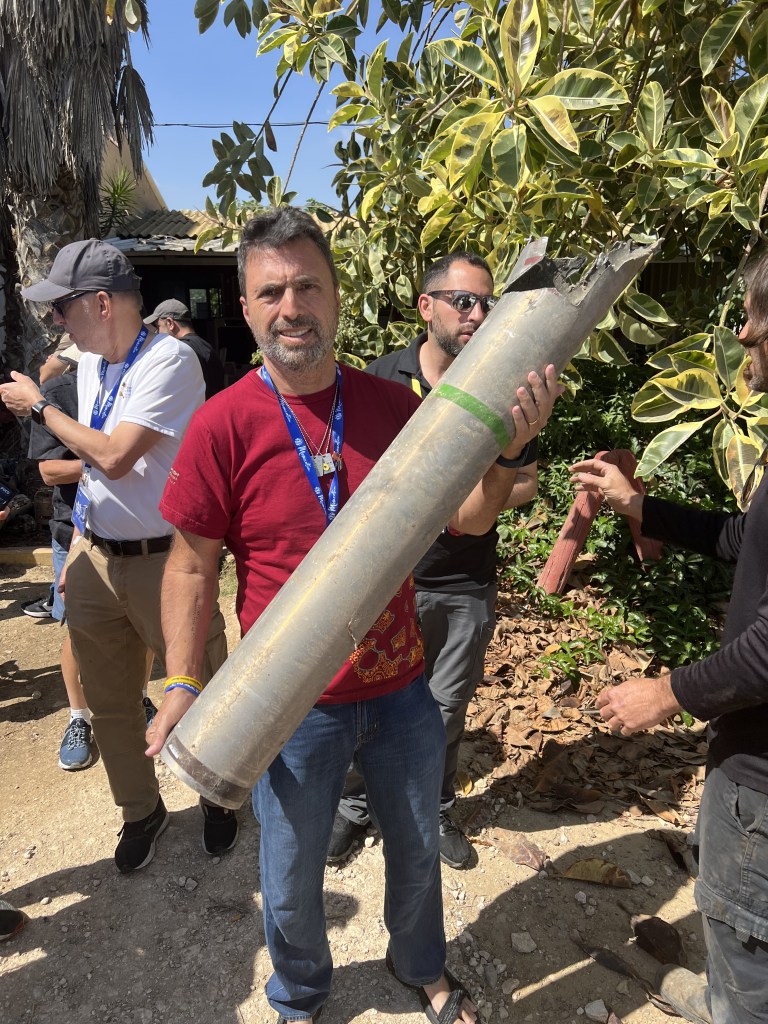
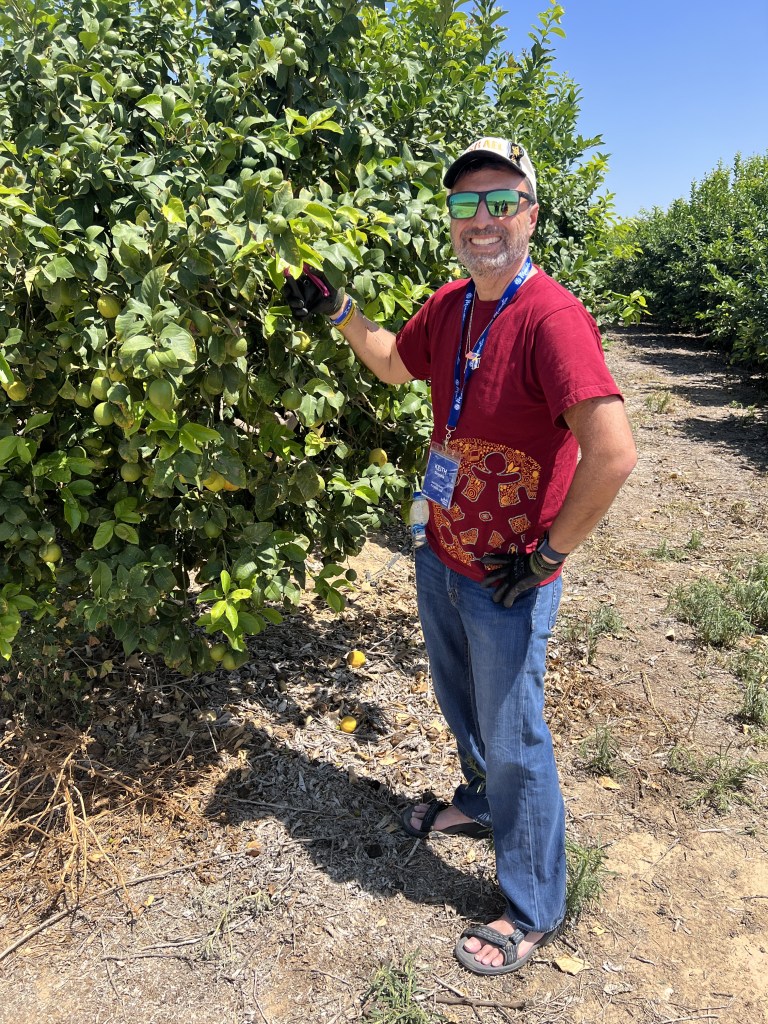

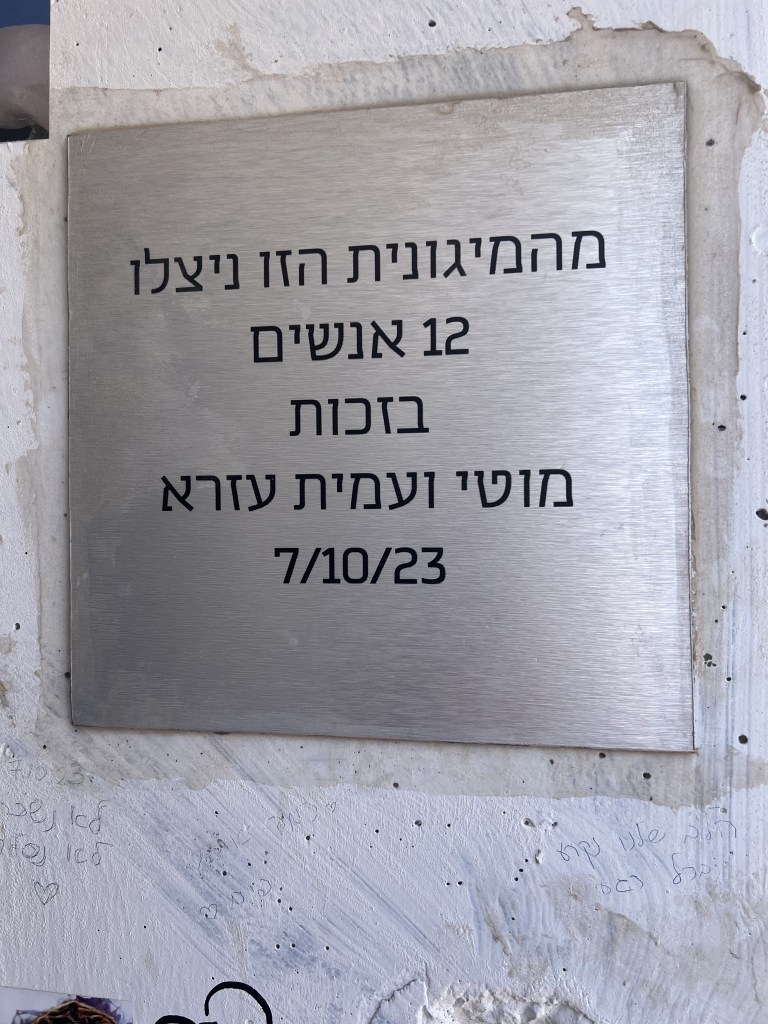
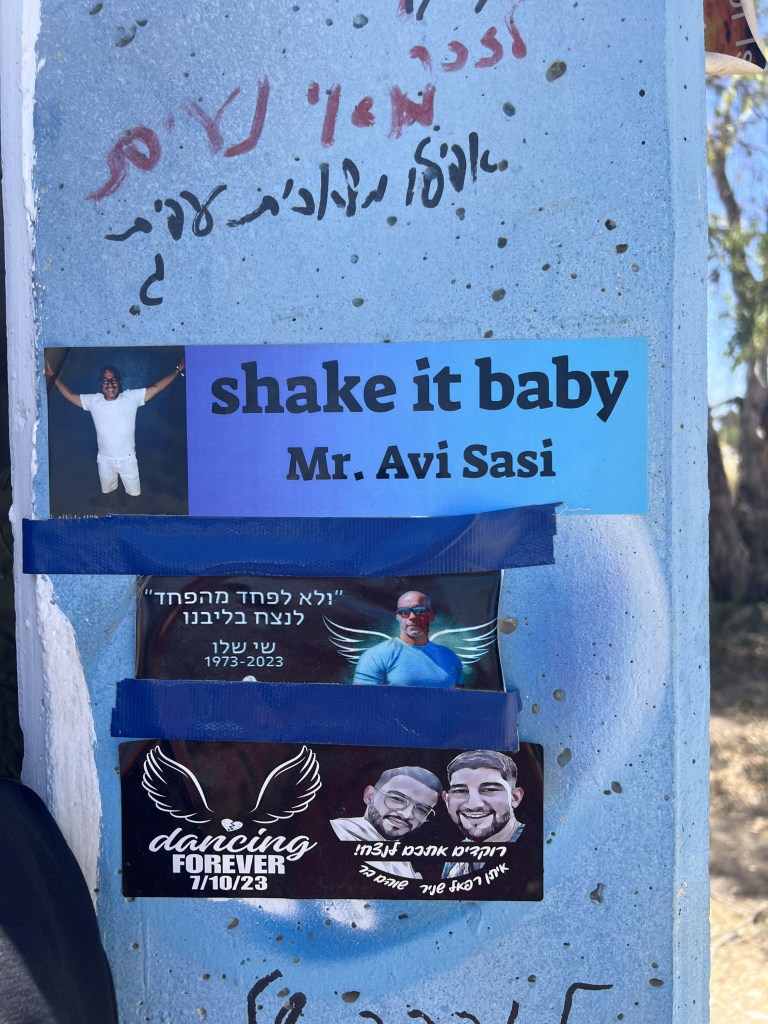

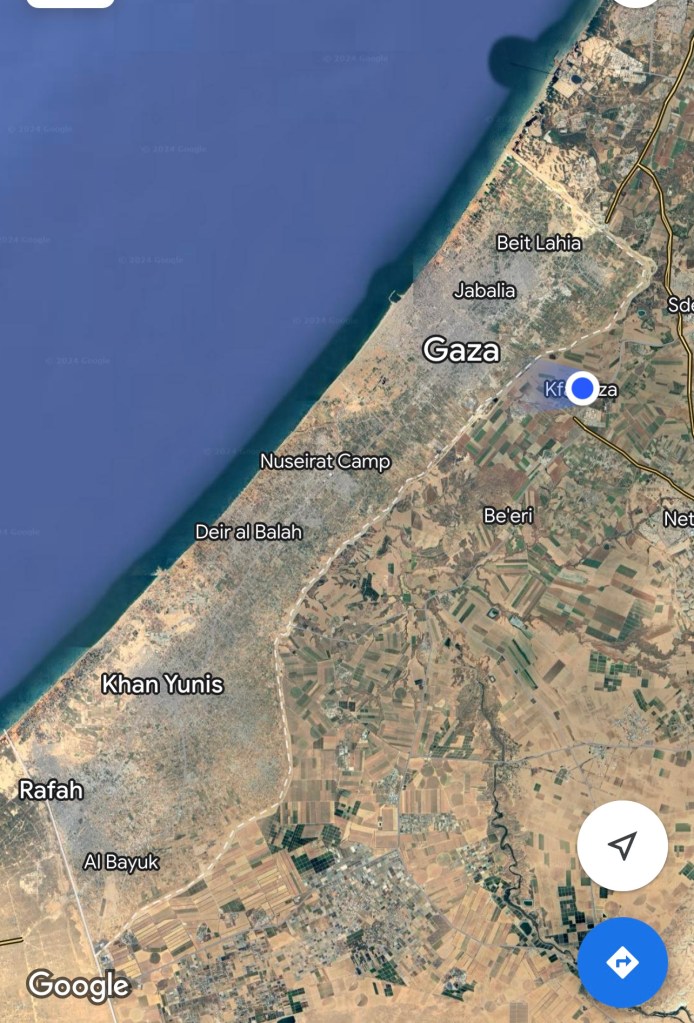
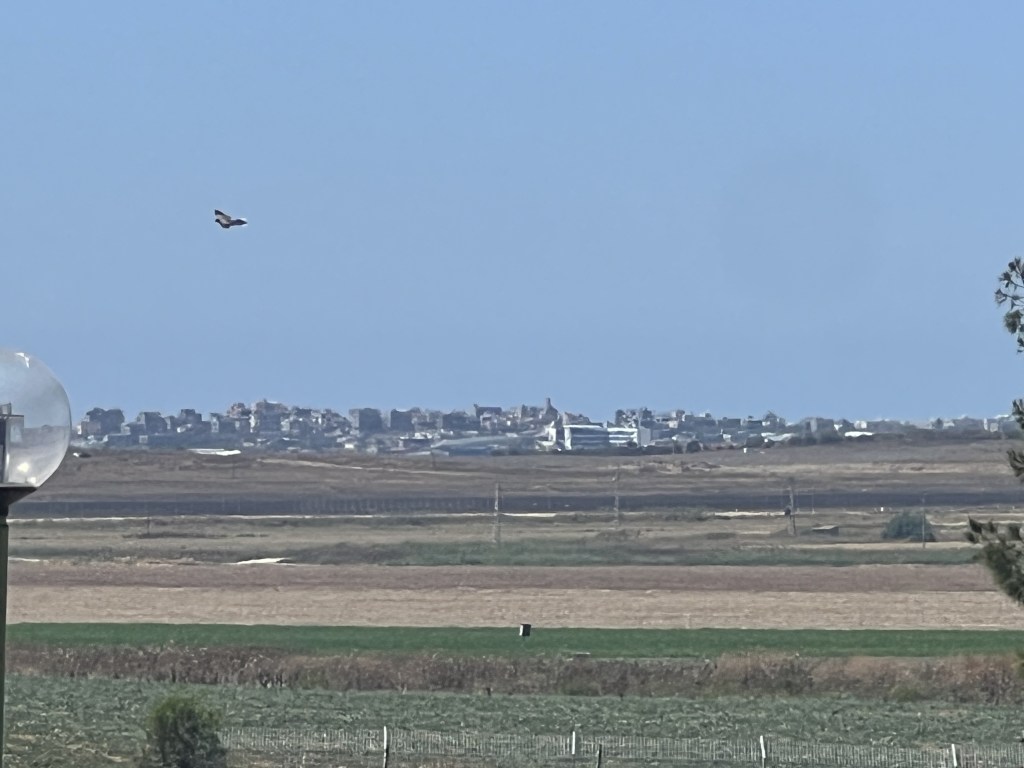
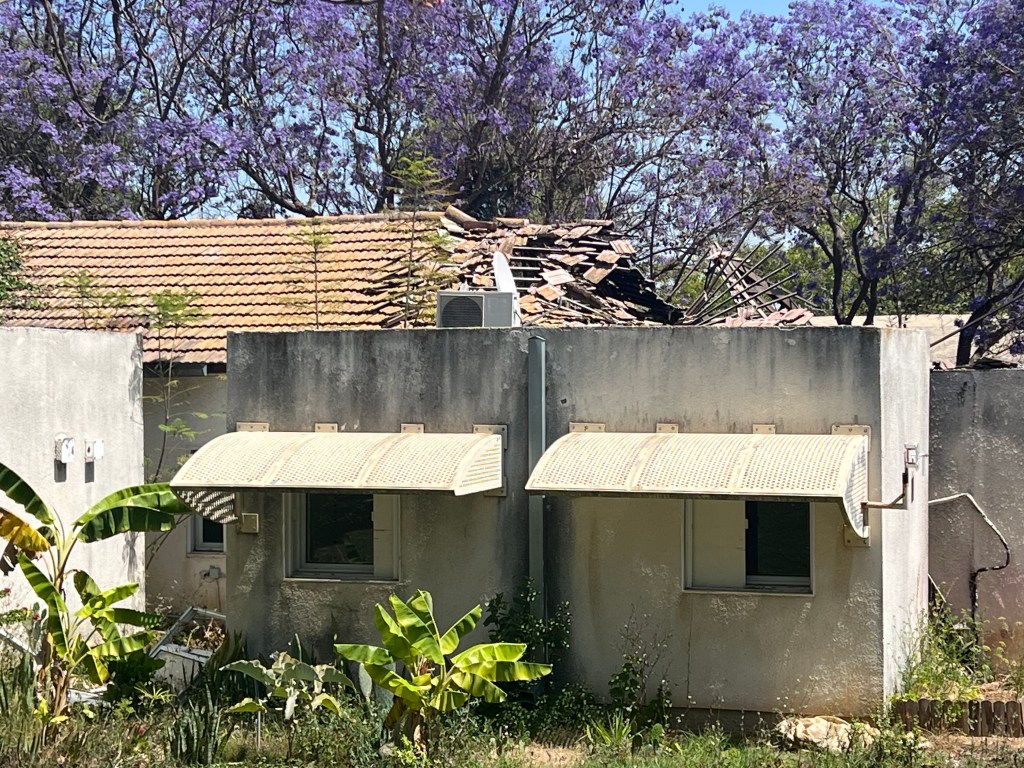
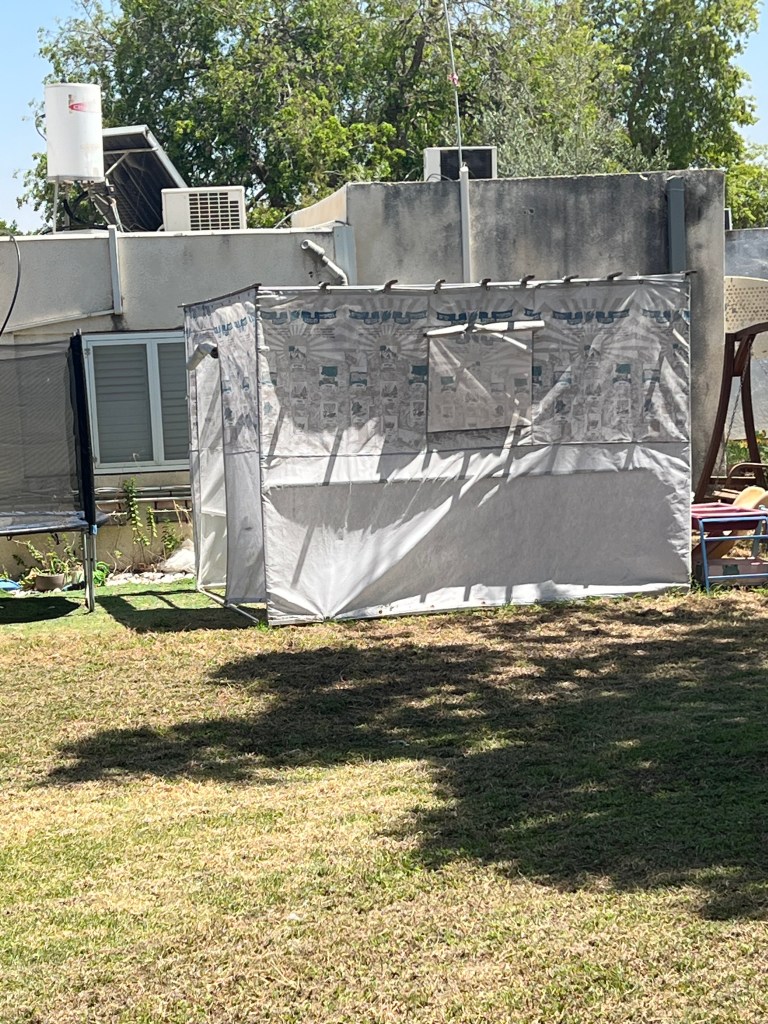
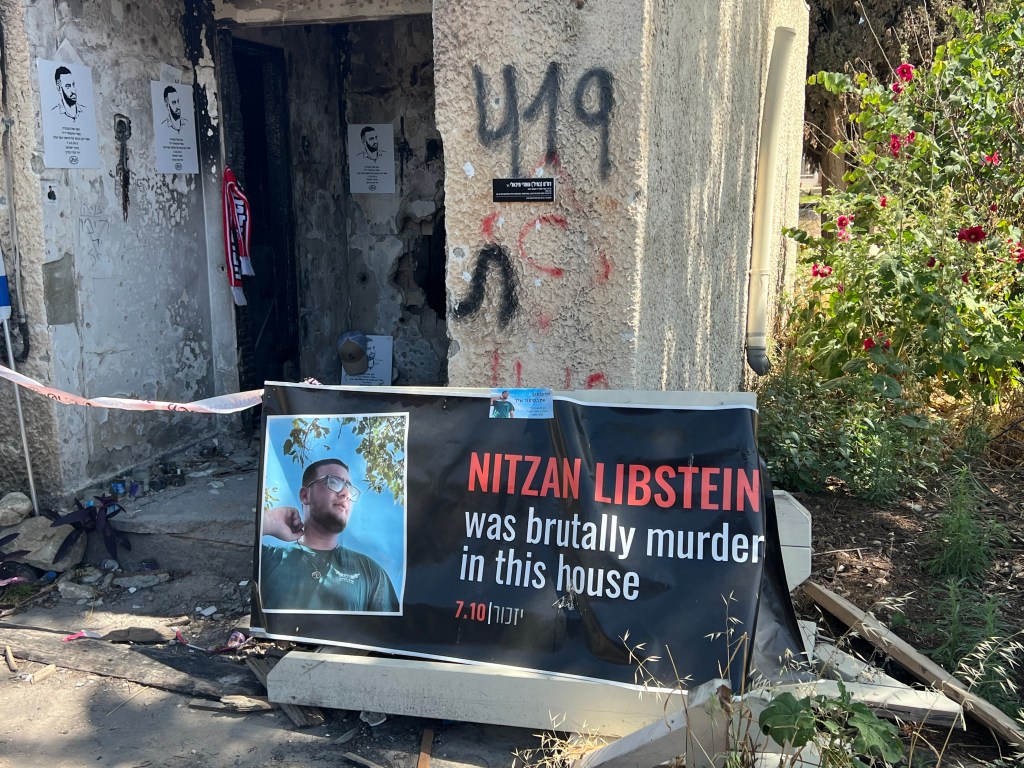

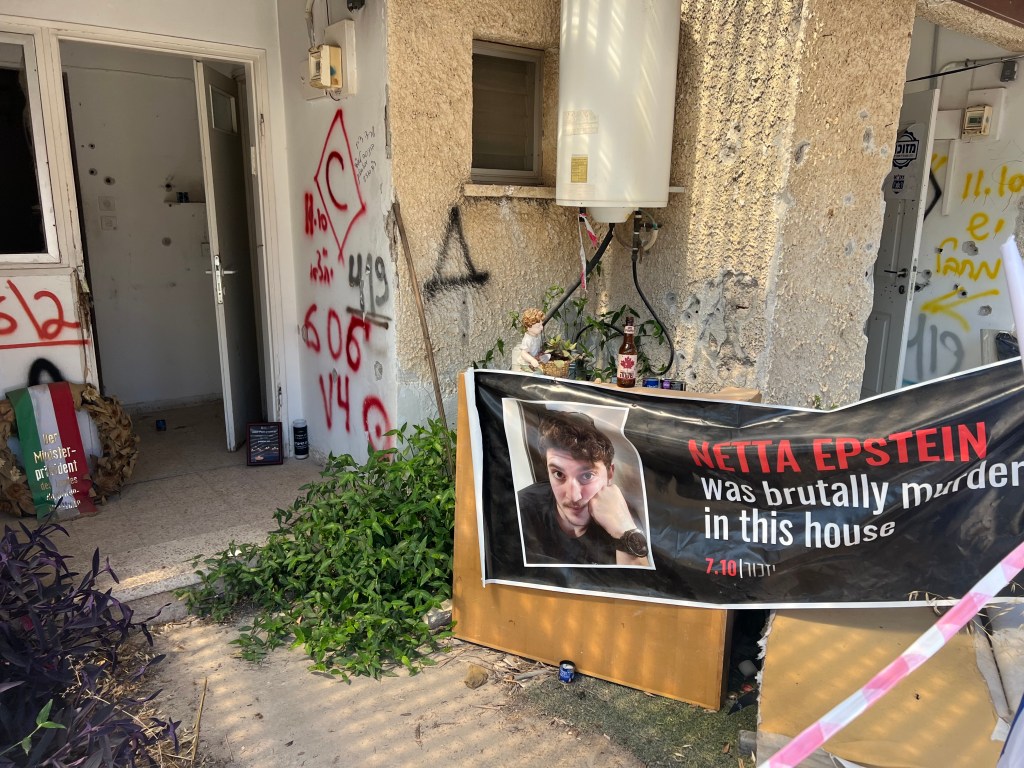
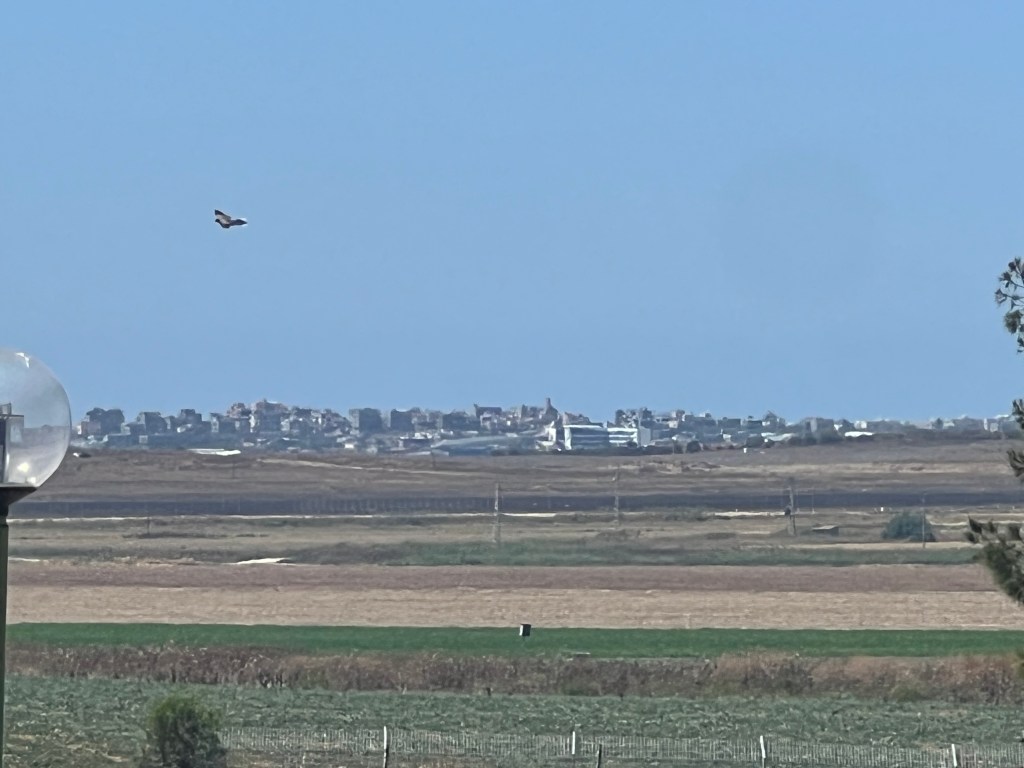


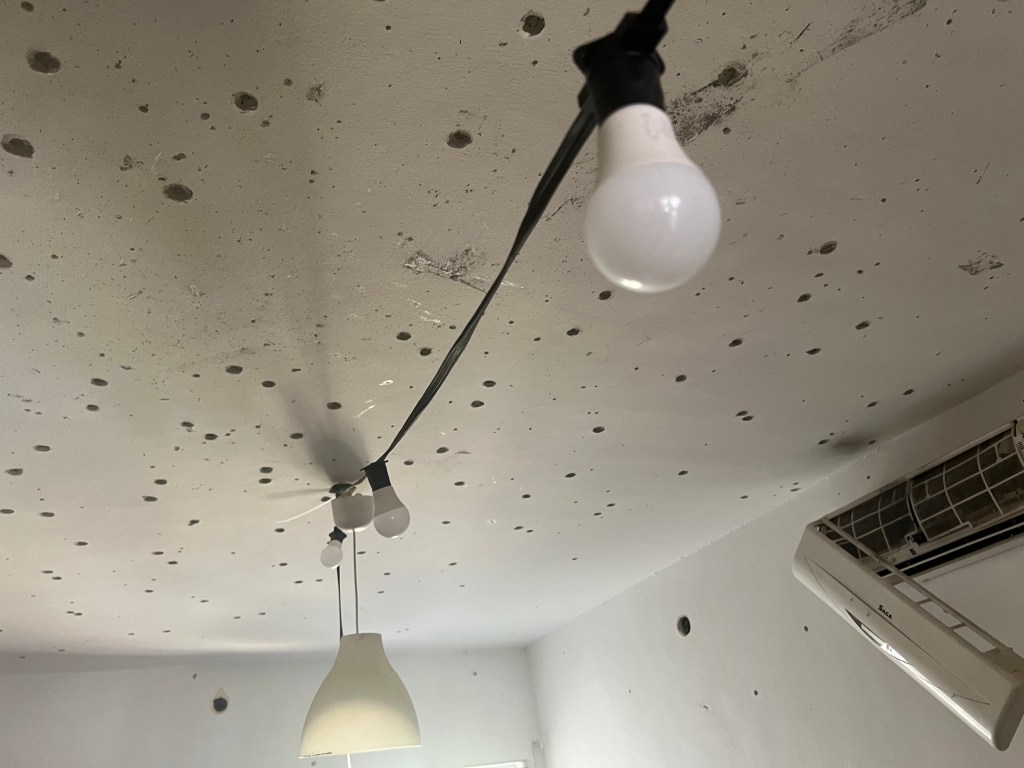
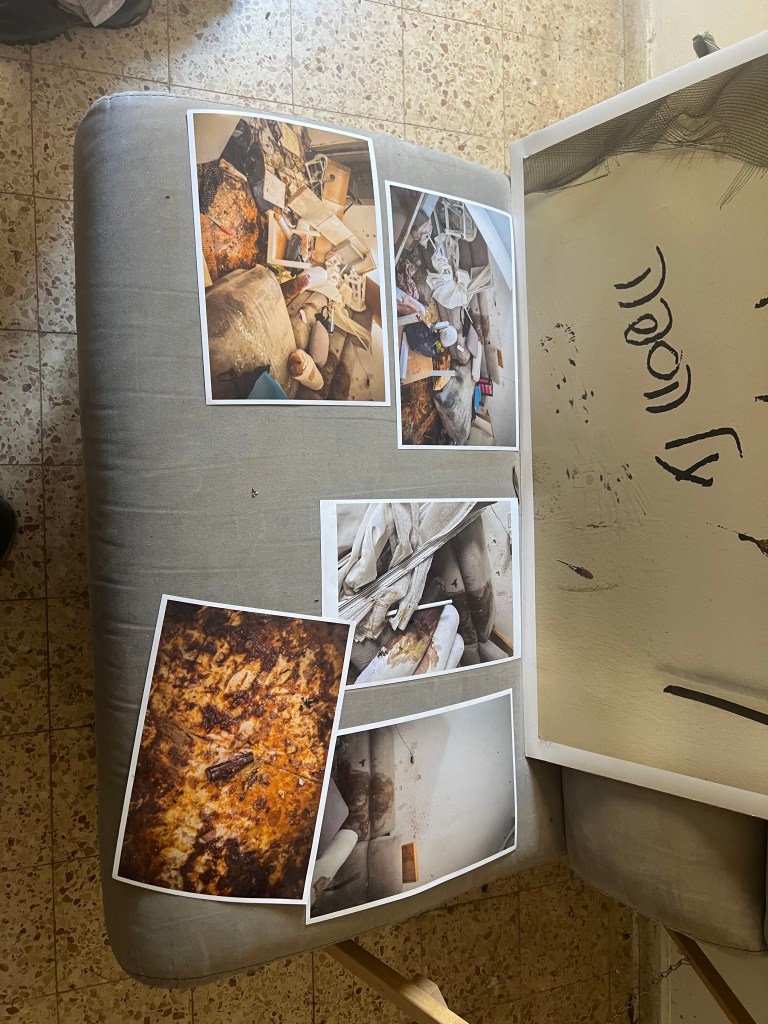
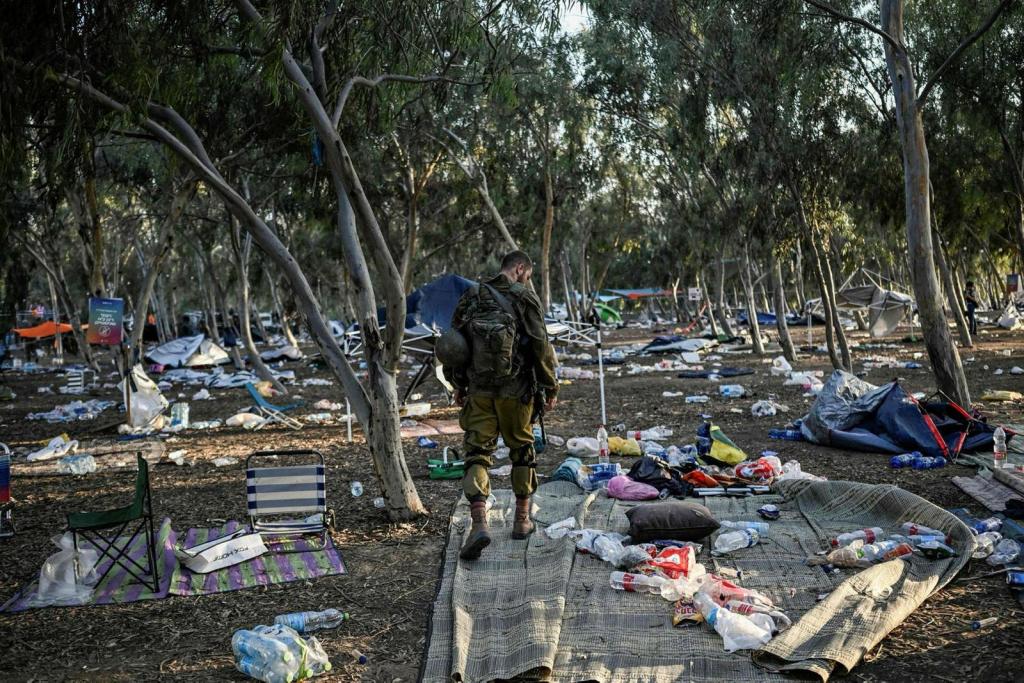

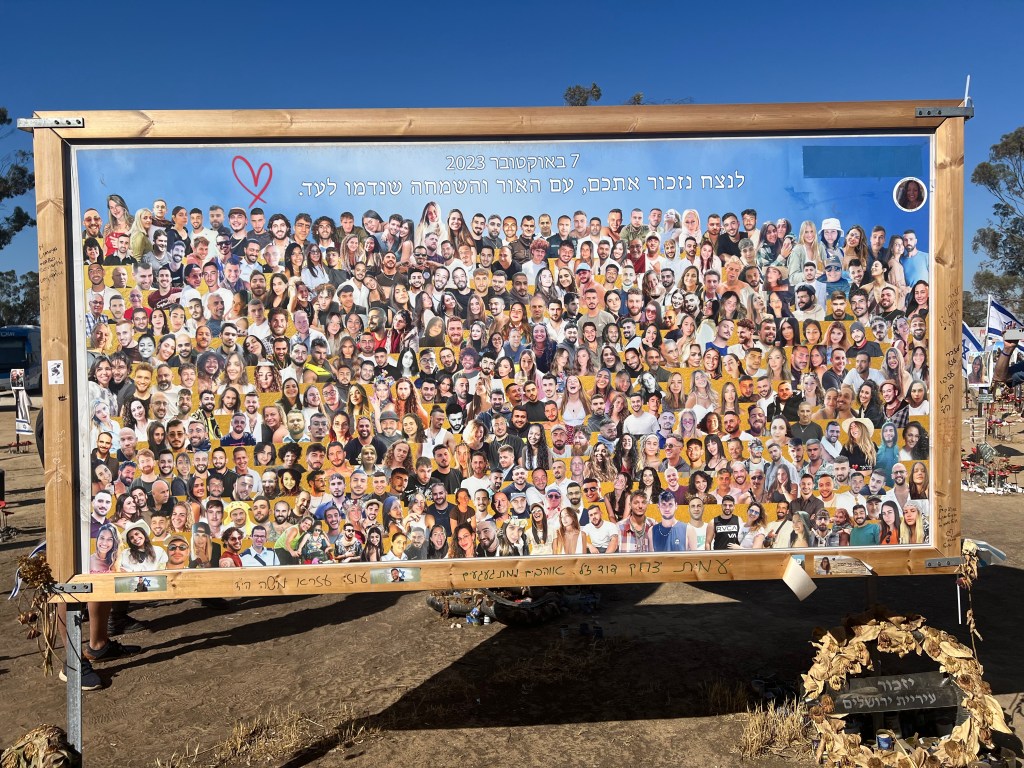
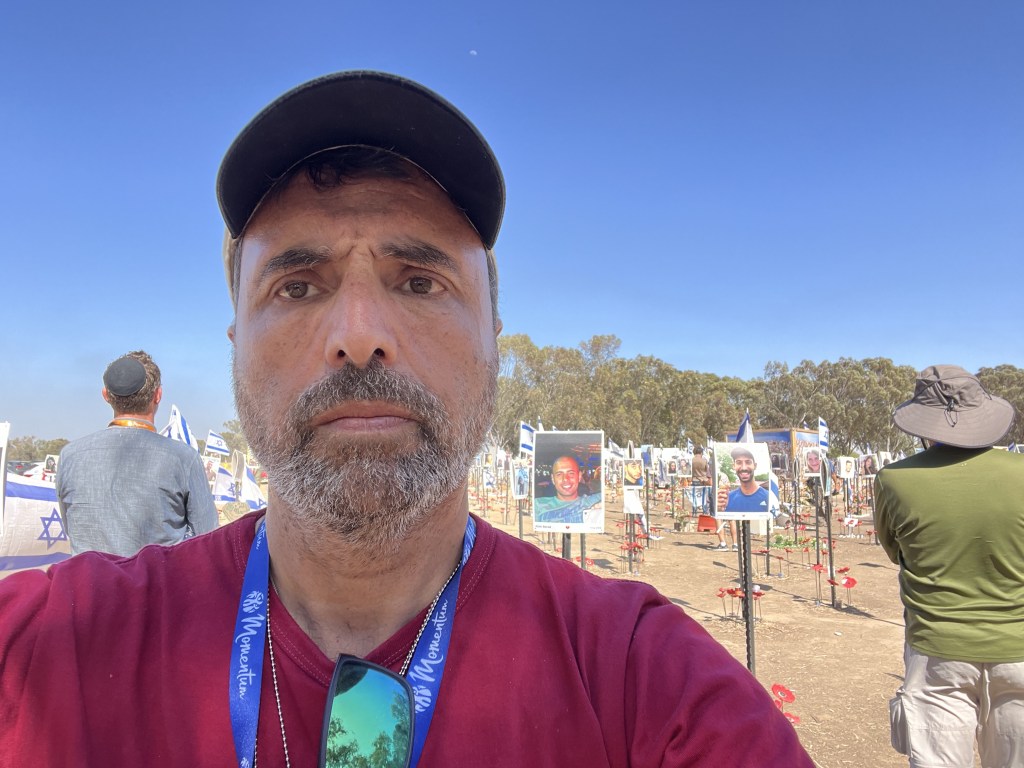
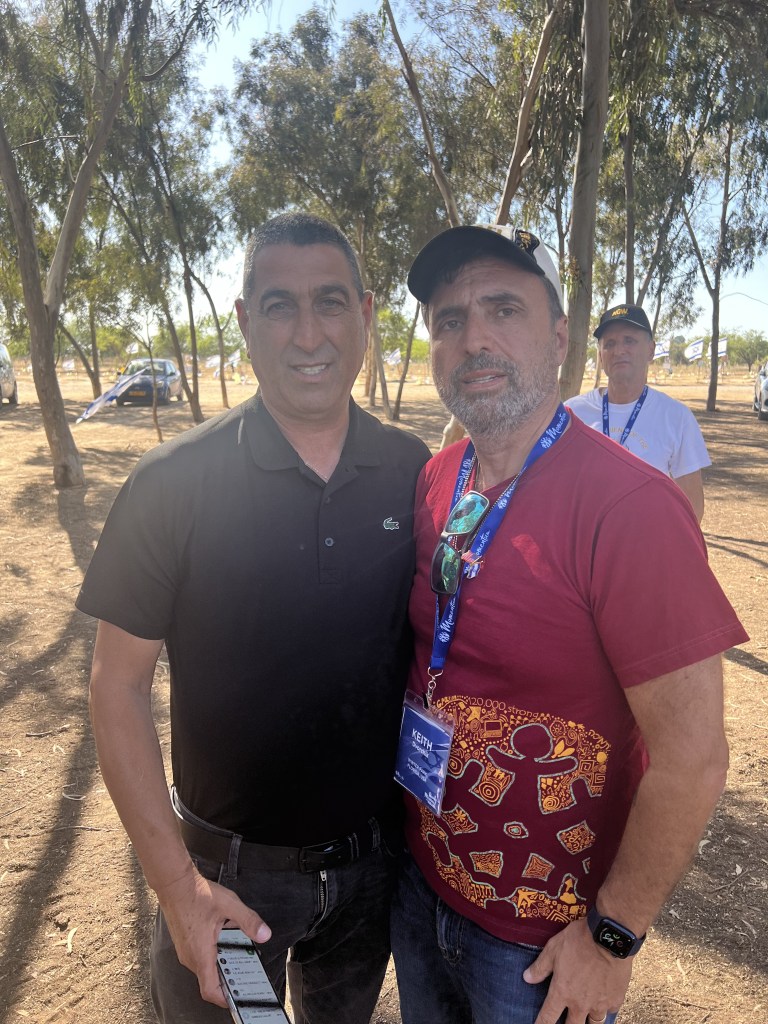


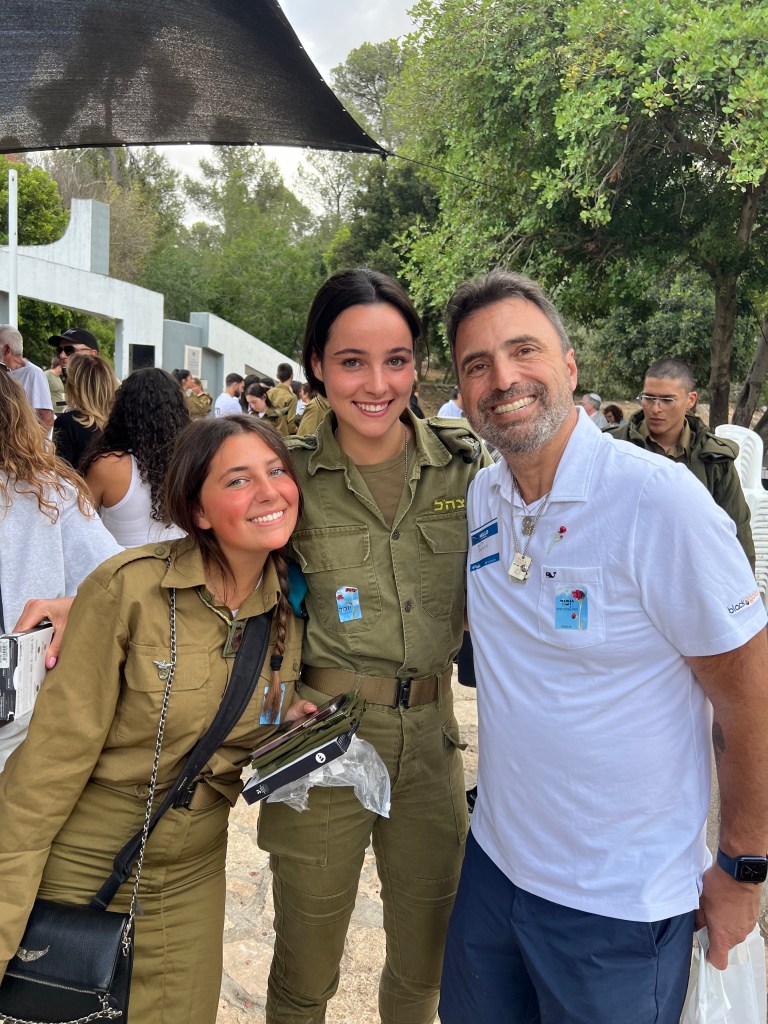
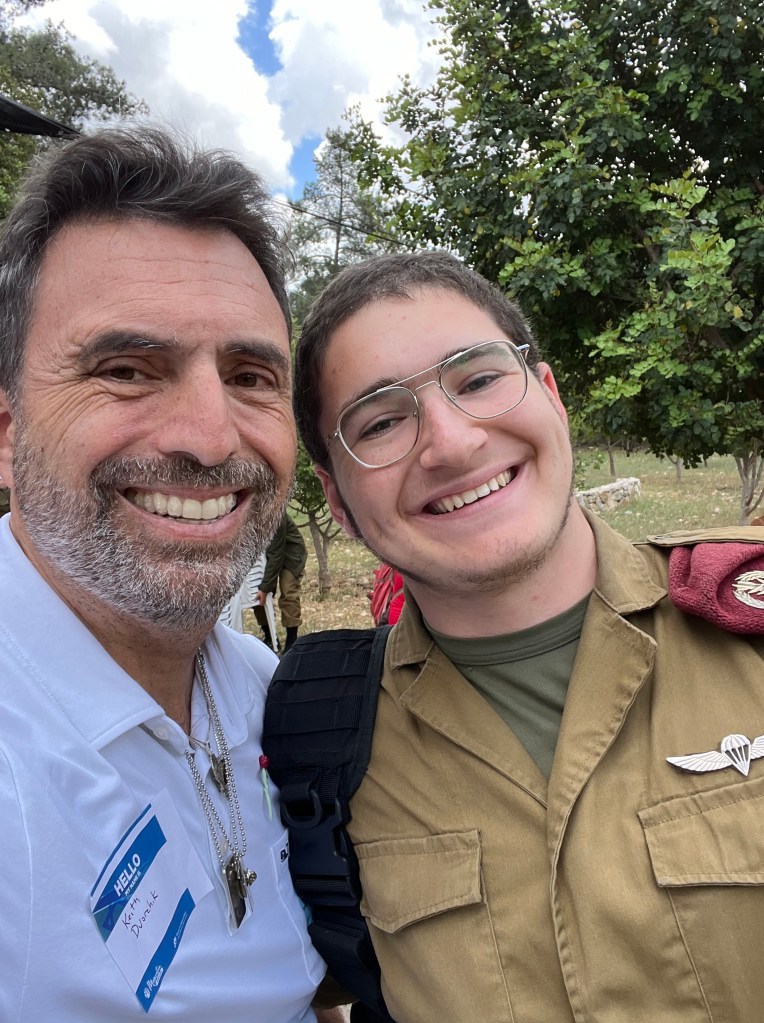
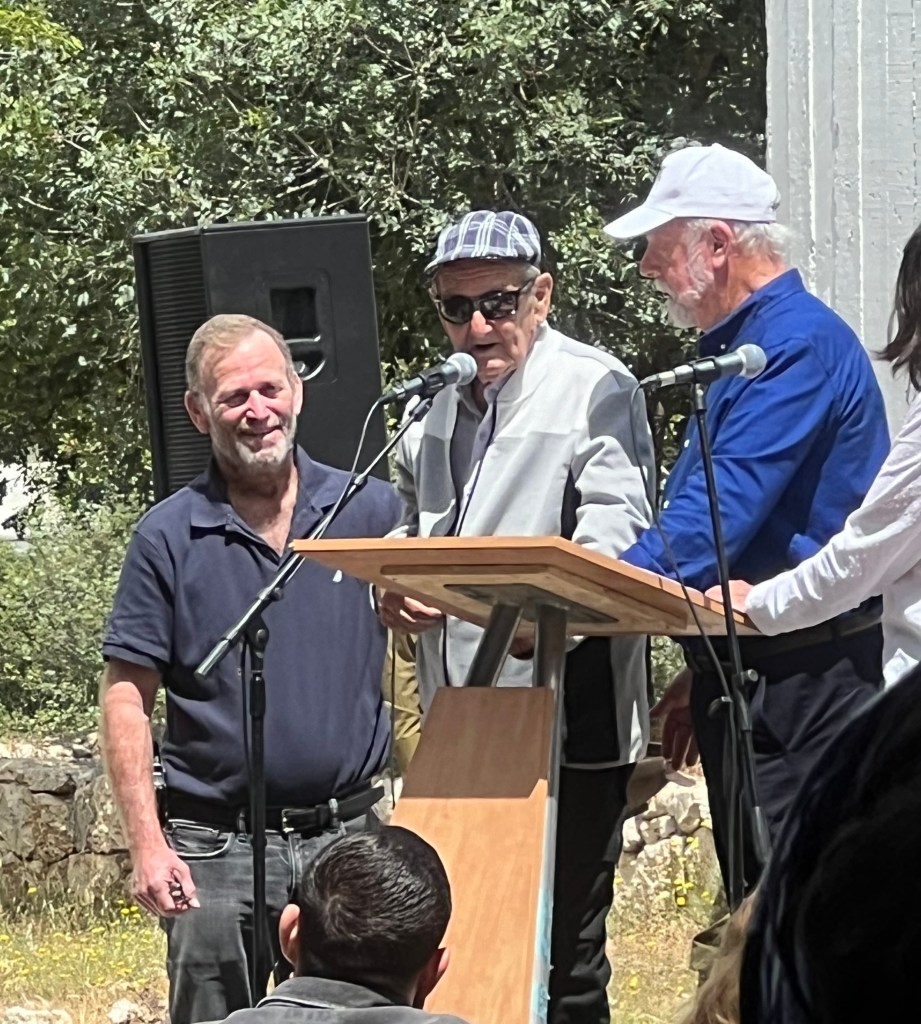
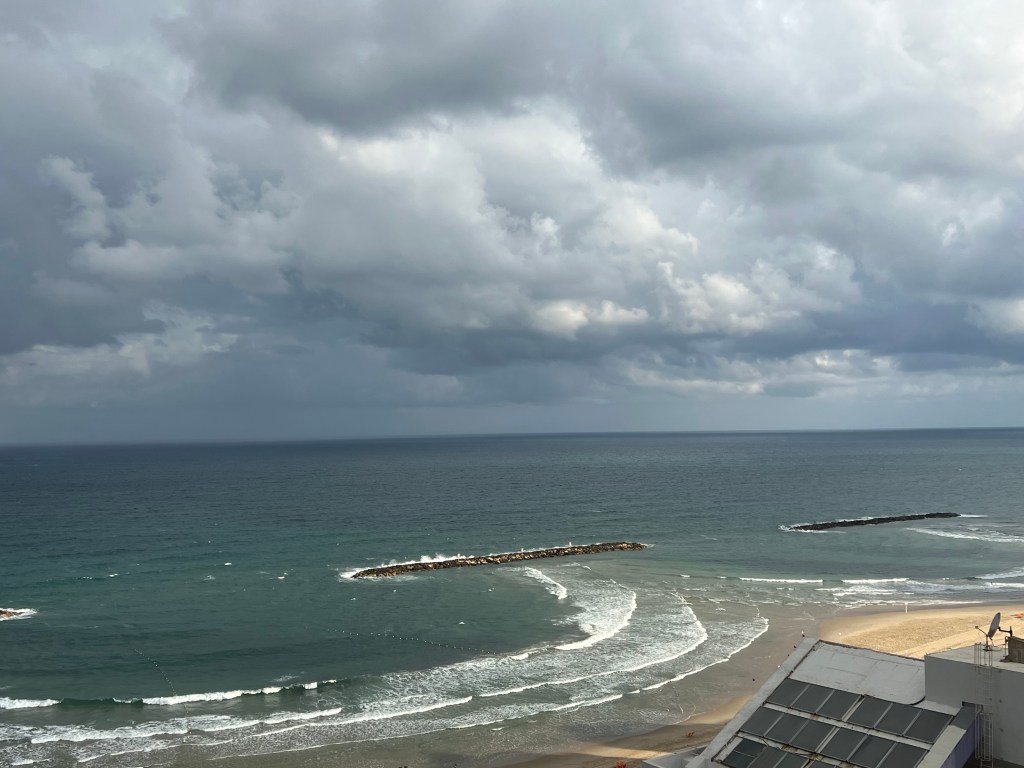
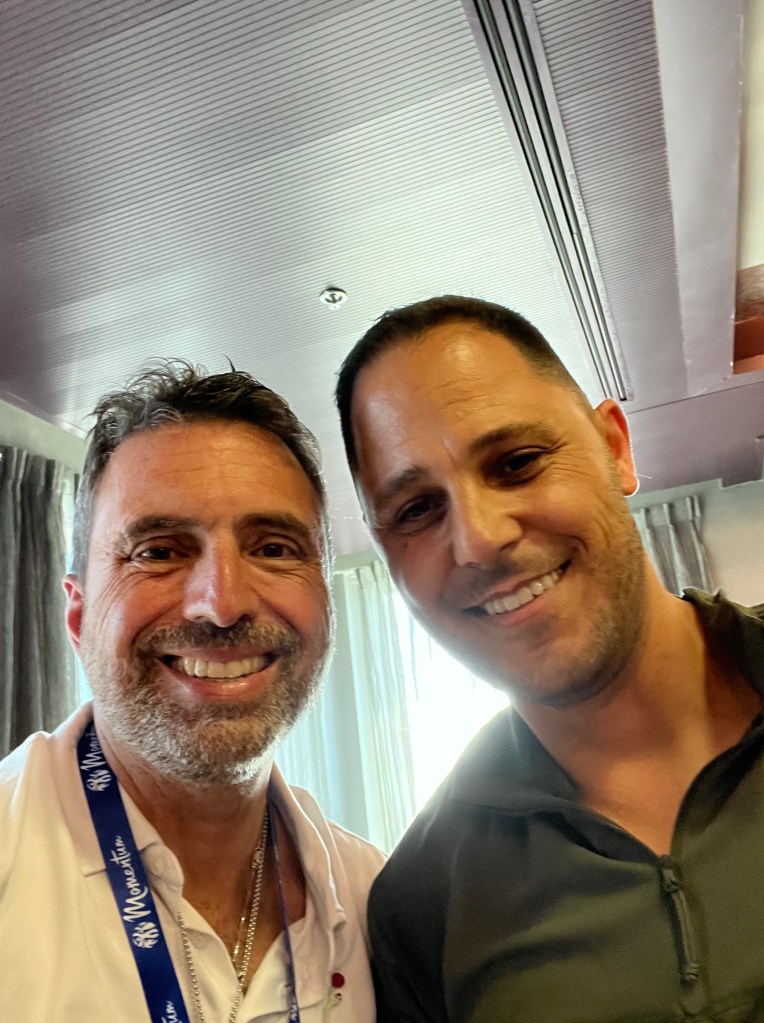
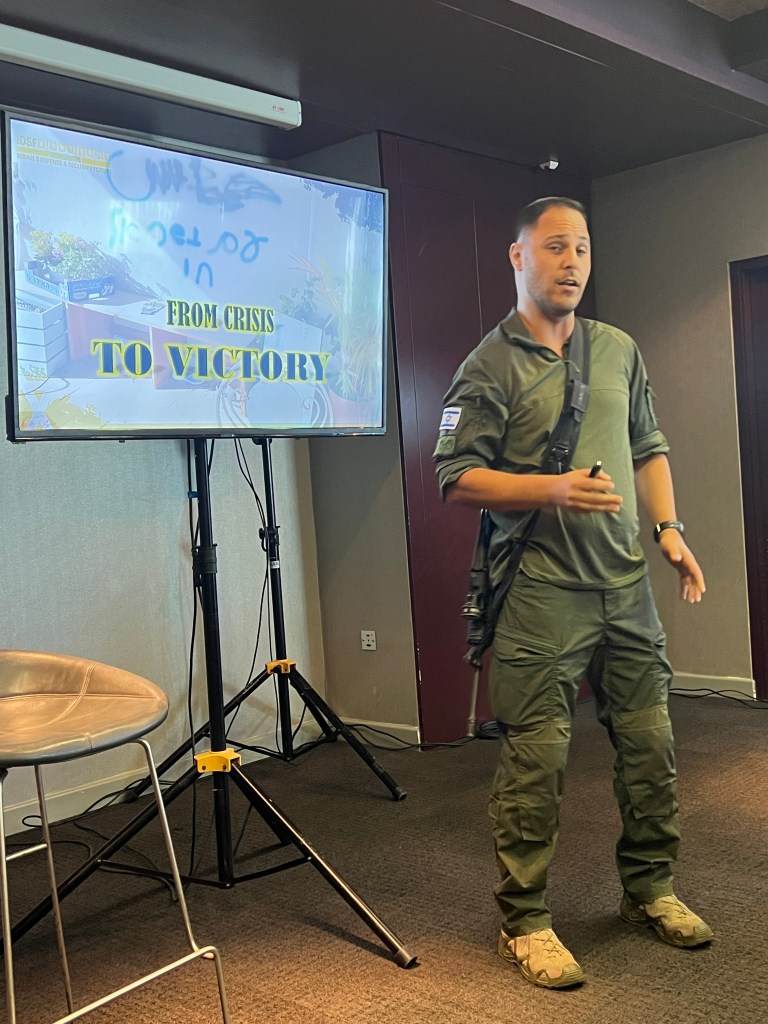
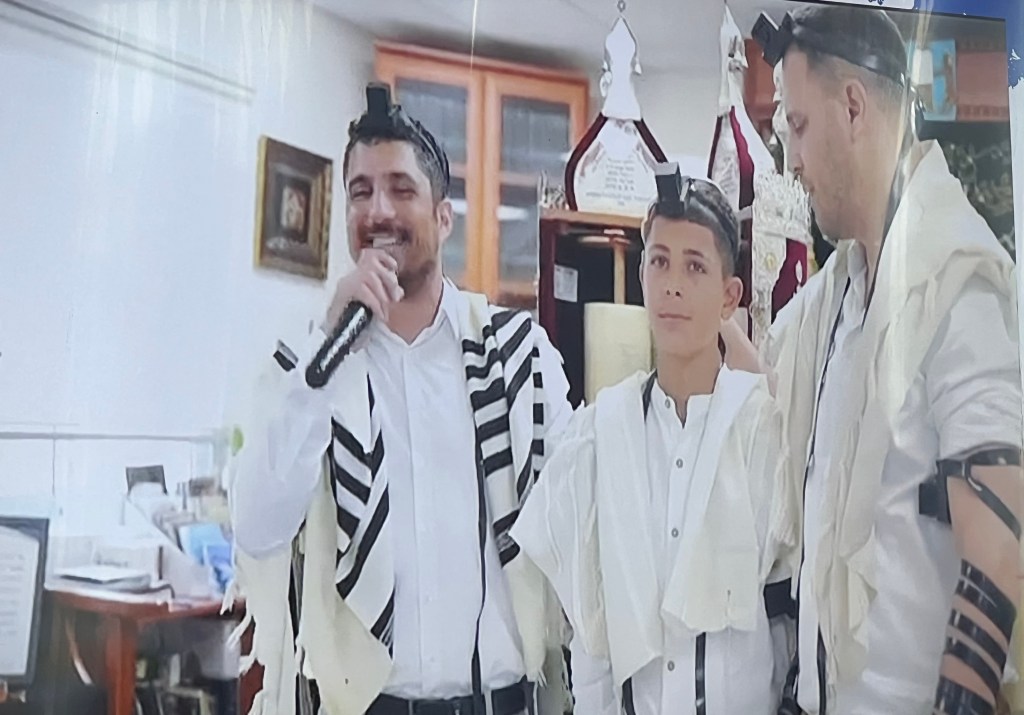



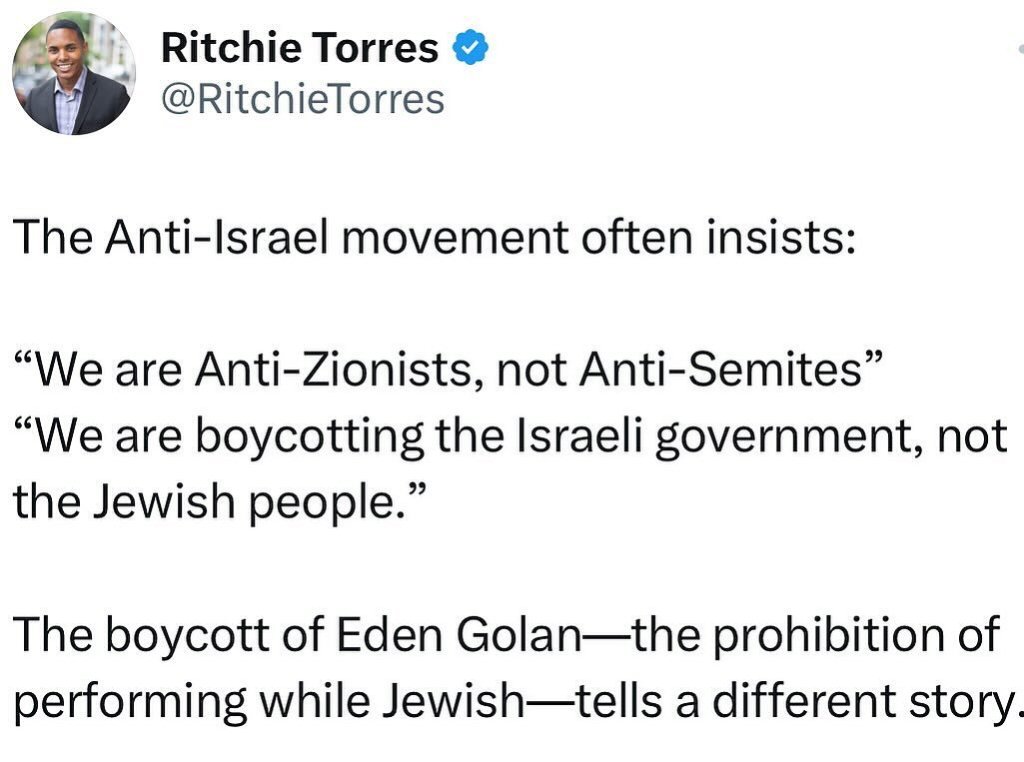


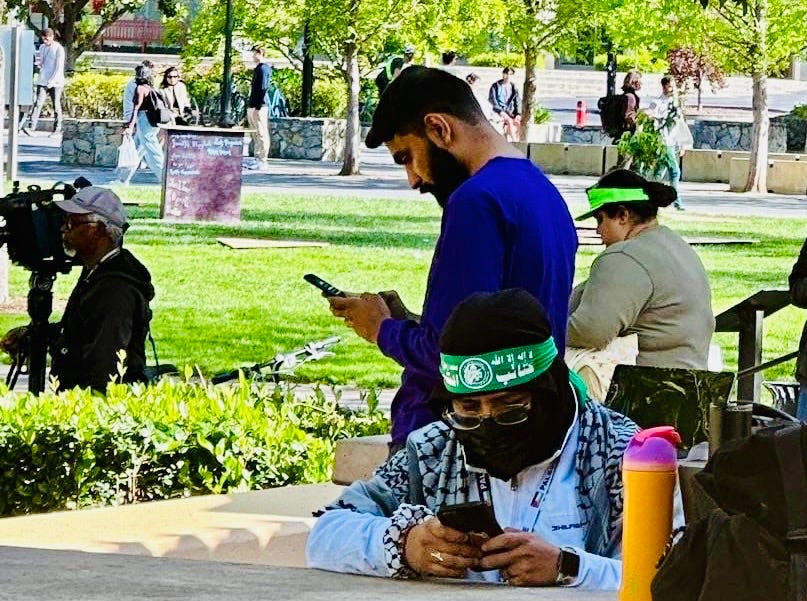
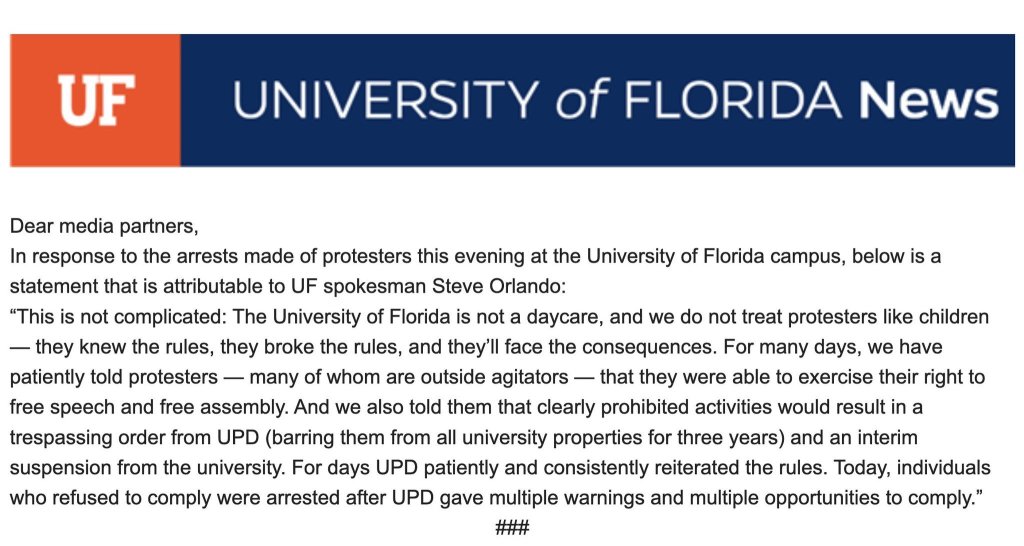
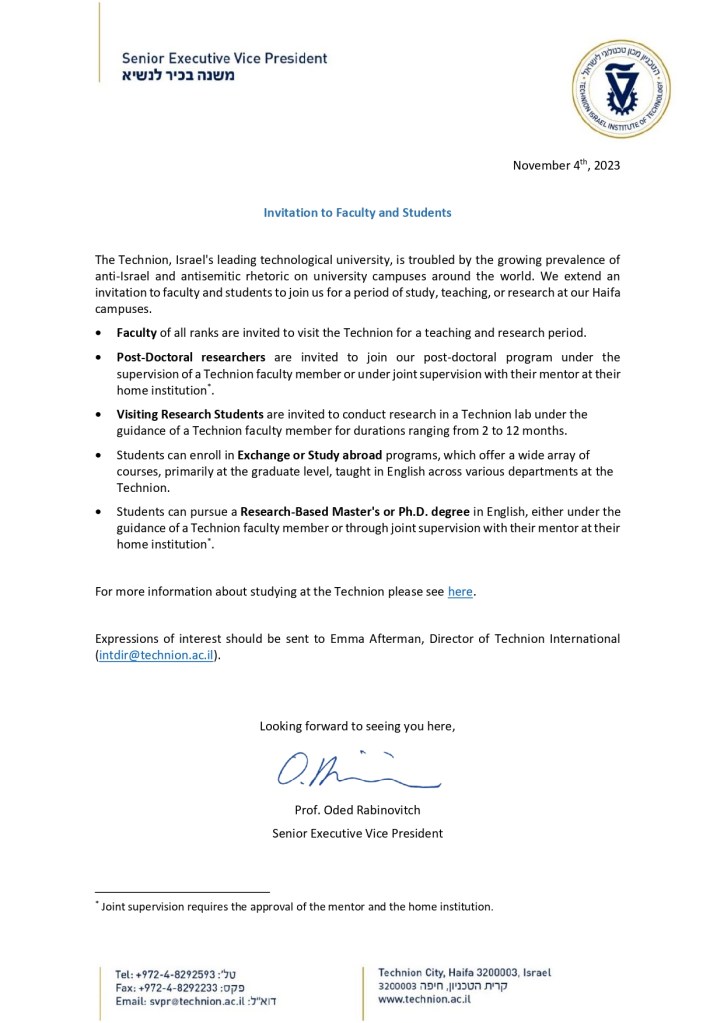
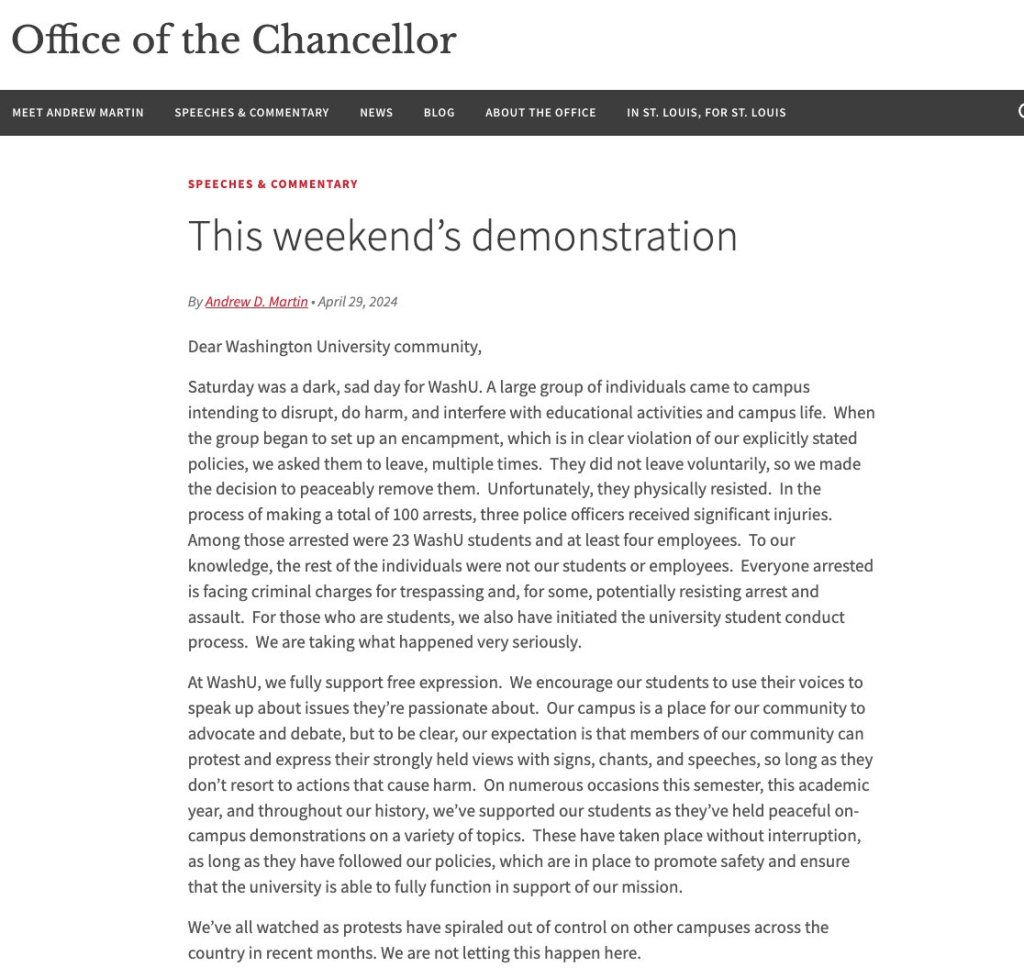


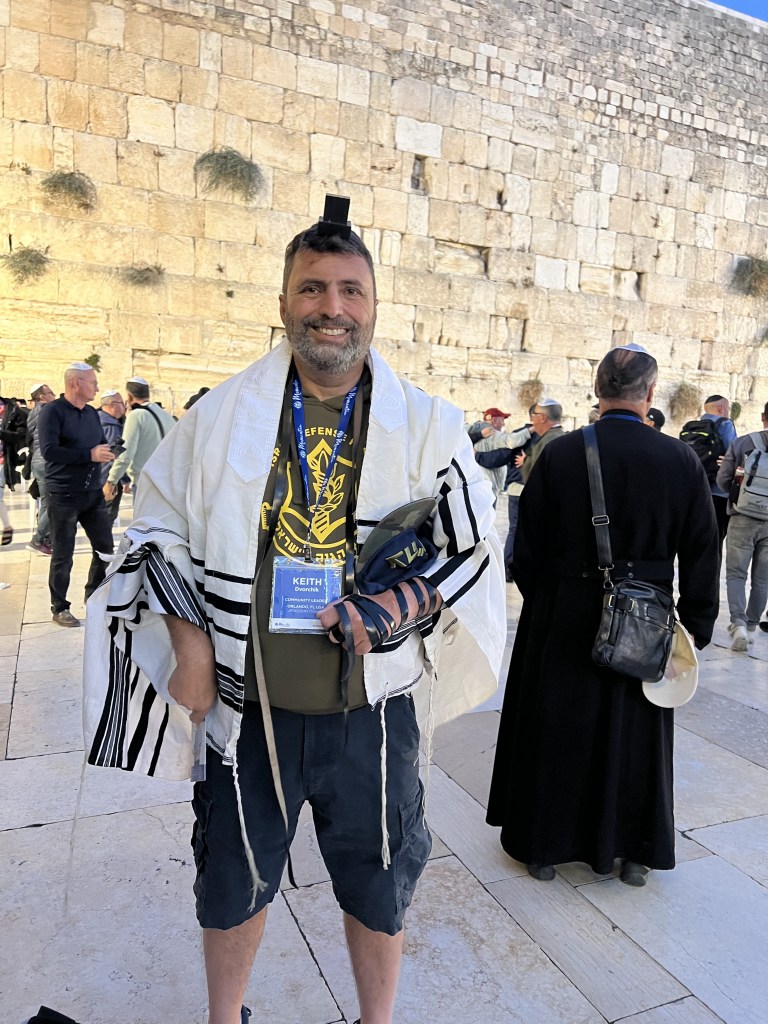

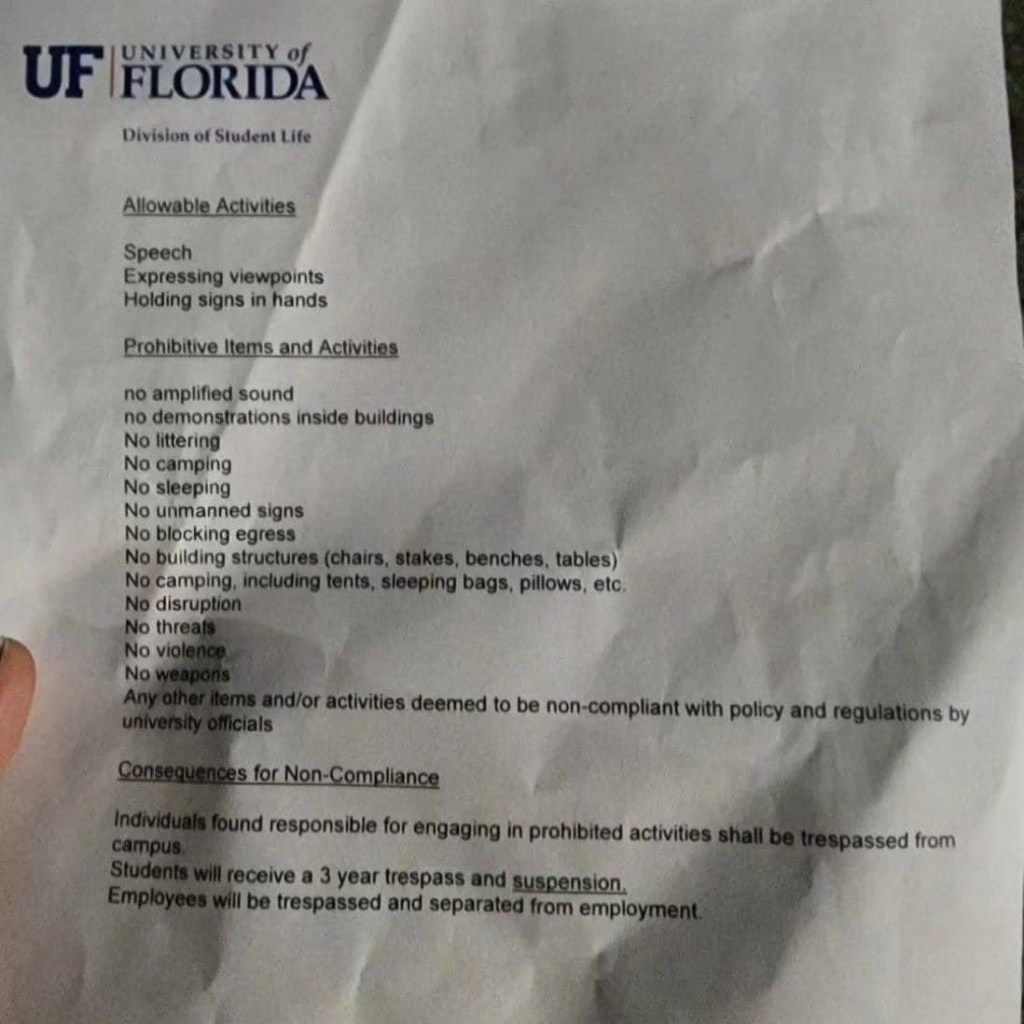
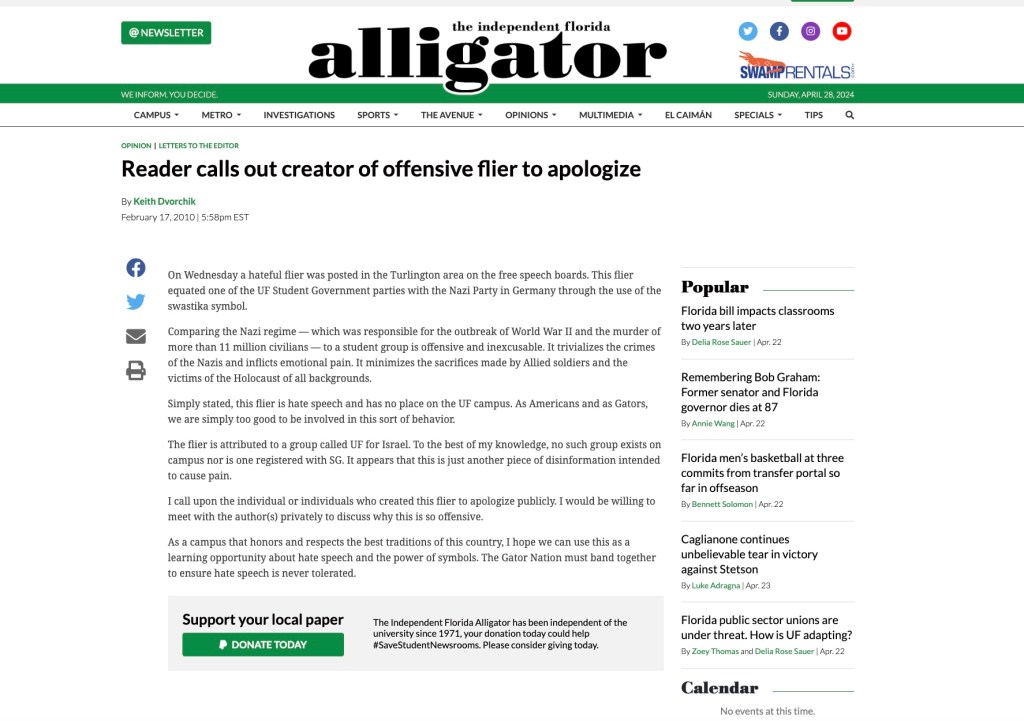

 keithdblog