If you don’t know what you’re willing to die for, then you don’t know what you’re living for

About a year ago, on a trip to Israel, Saul Blinkoff, one of our trip leaders was speaking to us. He quoted one of his Rabbis, the great Rabbi Noah Weinberg (z’l), the founder of Aish HaTorah, who taught him that “If you don’t know what you’re willing to die for, then you don’t know what you’re living for.” Powerful words and a powerful and deep thought. We spent the rest of the trip grappling with what that means in general and to each of us. It’s something that has stayed with me since then and something that I ask myself on a regular basis.

In this crazy world that we live in today, with all the Jew hatred we see around us, take a few minutes and ask yourself that question. What are you willing to die for? When you come up with the answer, make the choice to LIVE for it. Almost 30 years ago, I began a career working on behalf of the Jewish people. From Hillel to the Federation to the JCC/Federation to today, working with clients in Israel, I have spent the vast majority of my professional life. I write and speak out because so many Jews before me were willing to die so that I could live, so many are fighting right now to ensure that my children and future grandchildren will be able to live, that I must actively live.

My friend Saul, who spoke that wisdom to us in Israel last year, is also a Hollywood Filmmaker (Disney, Dreamworks, Netflix). He has a great podcast that I encourage you to subscribe and listen to. He began his career with Disney. On that trip, he gifted us all not just a prayerbook, but one where he personally drew Mickey Mouse for us. He told us the story of how when he was illustrating the Winnie the Pooh movie, he made sure to put a mezuzzah on Winnie the Pooh’s doorpost, joking that he made him “Winnie the Jew”. We all have the ability to pick the things that matter to us, the things we would die for, and live for them. I do that with my family. With my children. I’d willingly die for them so why would I not take advantage of the chance to live for them. I take advantage of the time I get to spend with them because no time is guaranteed.

I feel the same way about my values. They matter to me. They define who I am and how I live. I’m willing to die for them. If that’s the case, then I’d better live for them. That means actively making choices that align with my values, even when they aren’t popular. Even when they aren’t easy to follow. Even when there are consequences for living them actively. Especially when they are difficult to follow through with or there is risk involved in standing by them.

Saul talked about this an much more on Ben Platt’s podcast. It’s worth the 30 minutes to watch and listen, to take in what he says and ask yourself deep questions. Especially the big one. What would you die for? And if you’d die for it, why aren’t you living for it right now?

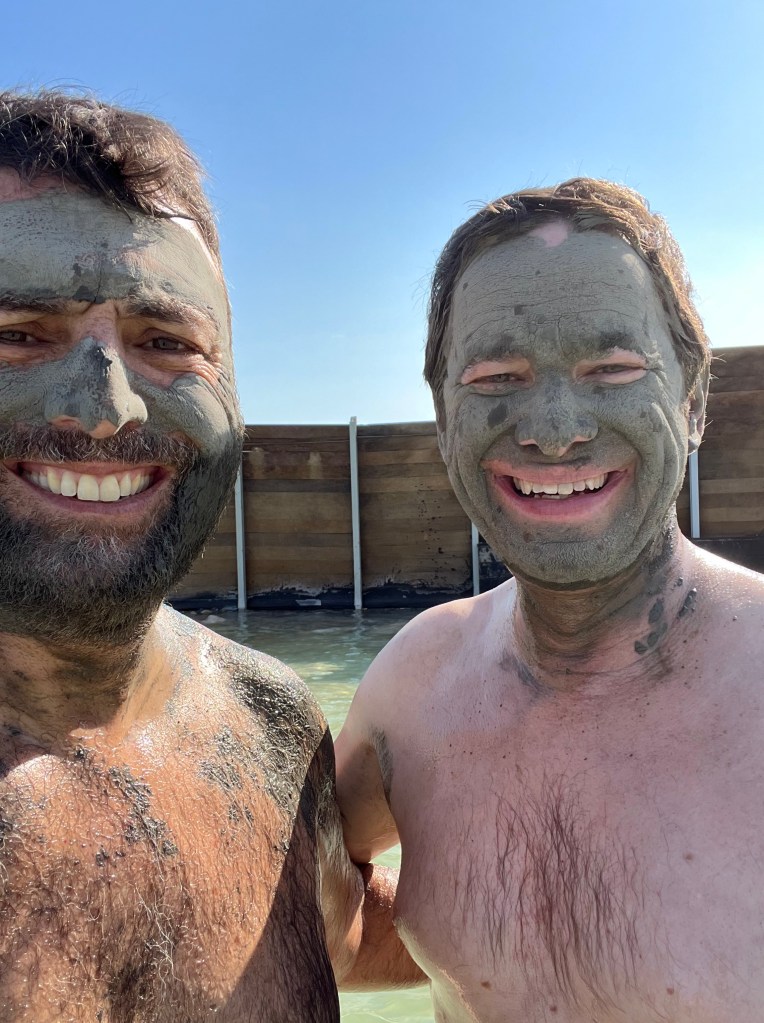
In the podcast, Saul talks about the barbecue with the families from the kibbutz and the dancing with the children on our soldiers. That was my trip. Here’s a video of us dancing with the kids. It is something I will never forget. These families were attacked on October 7th. They had to relocate to Netanya from the Gaza envelope. They left their homes and their lives behind, moving to an apartment building in a different city. Many of the husbands were not there, called up to serve in the IDF to defend Israel and the Jewish people. Yet they were living life. Robustly. I watched a sweet toddler riding his tricycle. Kids playing ping pong. And, as you see in this video, dancing on our shoulders.

They literally went through what they would die for – living in the South of Israel in the Gaza envelope. It’s clear they know what they will live for and are doing so. There is much we can learn from them.

The older I get, the more I find I can learn. The more I find I must learn. Today’s world doesn’t value learning. Look at how poor our education system is. Look at how few people actually want to take the time to learn facts – instead they’ll get their information and knowledge from a TikTok video made by somebody who knows nothing. Judaism is all about learning. What’s going on in Israel and in the United States takes effort to learn. To investigate. To question.

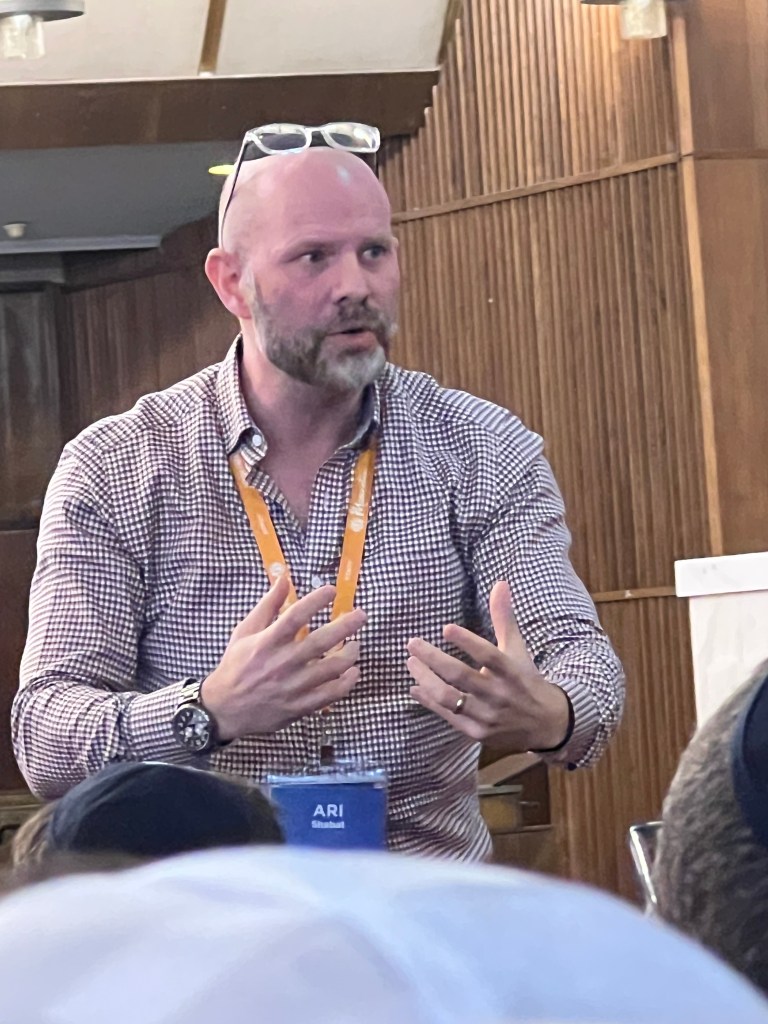
In this critical time, remember the words from the Mishna. “Find yourself a teacher, acquire for yourself a friend.” There many types of teachers. You can find a Rabbi or a Jewish educator. Ask the hard questions. You can find some experts who write regularly. Read what they write, listen to their podcasts. I have done both. Every week I learn from my friends Harry Rothenberg and Ari Shabat through their video blogs. You can subscribe via email to Harry’s and by whatsapp to both Harry and Ari’s. I read Michael Oren, who has both a substack and writes in the Free Press. I read John Spencer’s substack which you can subscribe for free or get a paid subscription. I am a paid subscriber to The Free Press, with it’s many articles and different points of view. I read Daniel Gordis’s Israel from the Inside, delivered to my email each morning. I get the Bernie News Network on WhatsApp, with so much information every day it is usually overwhleming. You don’t have to be like me in terms of how many teachers you choose to have. Start with one. Get a taste of what real, accurate, challenging information is like. Things that make you think, not parrot back a position somebody else tells you to take.
Once you start down this path, your mind and spirit will thank you.
Fighting antisemitism by being Jewish

I have been talking and writing about the increase in antisemitism and Jew hatred for a decade now.  I saw it when I was living in Seattle when a swastika would be drawn/painted on a Jewish building almost monthly.  I called it out then and many people thought I was being reactionary and fear mongering.  I was pointing out what was happening.

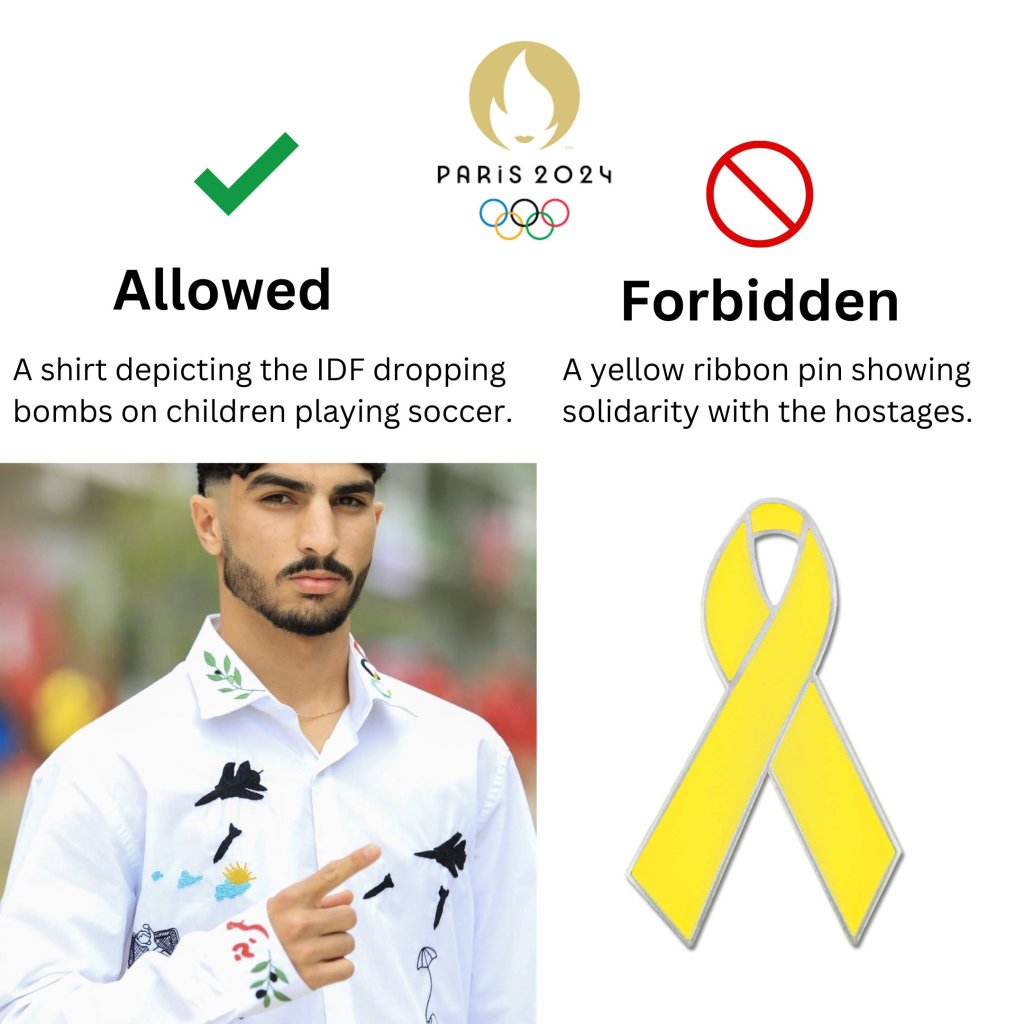
Over the past decade, it has only gotten worse.  Since October 7th, the rise in Jew hatred has become frightening.  Violence against Jews is now common.  Shooting at Jewish schools happens too often.  Ugly, racist protests occur on college campuses and in the streets in the US, Canada, and throughout Europe.  Israeli Olympic athletes are threatened with death.  The Palestinian athletes are allowed to wear shirts with bombs dropping on Israel, but the Israeli athletes are not permitted to wear the yellow ribbons for the hostages.  The list goes on and on. 

I have mentioned many times how I’m not super religious but very Jewish.  Over the past few years, I have been digging deeper into what being Jewish means to me outside of services.  Like many people, services don’t connect or inspire me.  I knew there was much more to being Jewish than just religious services so my exploration into Jewish spirituality, text and how it applies to my life, and finding more meaning have been a big part of my recent journey.

As I learn with Rabbi Ehrenkranz, we include a bit of prayers to understand the why instead of the what.  My recent trip to Israel with the Jewish Leadership Institute (JLI) also focused deeply on the why instead of the what.  My recent trips to Israel have also been an exploration into the why instead of the what.  Why does Jerusalem matter?  What is the point behind some of what we do?  What is the intention?  The goal?  The objective?  I have found that when I understand the why, I can adapt the what to fit my life and what is meaningful to me.  Judaism has adapted since the time of Abraham, Moses, King David, and even the 2nd Temple.  We don’t pray the way they did but we can connect to God and each other the way they did.  I find that very meaningful.

Rabbi Ehrenkranz started a monthly Sunday morning Minyan (prayer service) that I began attending because he asked me to.  Often times, just asking somebody you have a relationship with gets them to do what you ask.  It turns out most of the people who attend are friends of mine, so it becomes a social gathering as well as an opportunity to grow.  I appreciate how Rabbi Ehrenkranz explains the goal of each part of the service.  It has enabled me to move away from reading the Hebrew words that I don’t know what they mean and instead think about the goal and objective and connect that way.  It has turned an experience that was rote into one that is meaningful.

This Sunday, with all that is going on in Israel and the recent attack by Hezbollah on the Druze village, I chose to wear my IDF tzitzit (ritual fringed garments).  I got them from Rabbi Atlas in the IDF as I am helping him with a project to fund the 5,000 mezuzahs the IDF needs.  I don’t wear them regularly and in fact, this was the first time that I wore them under my shirt like you are ‘supposed’ to.  It was a way to connect to Israel, the IDF, and Judaism.  I feel that way about mezuzahs too – something that is easy to put on your door and have a meaningful symbol without being required to be super religious.  It’s an easy thing to put on your doorpost and show Jewish pride both internally and externally.  If you don’t have one and want one, MyZuzah will give you one for FREE!  And if you want to support the IDF in their effort to get their needed mezuzahs for IDF soldiers, there is a dollar for dollar match and you can buy them for the IDF here for $30 each.

At the minyan, I spent the time during the silent Amidah (the major prayer of the service) in my own mediation and conversation with God, thanking God for all the gifts in my life today.  In my learning with Rabbi Ehrenkranz, part of what I have learned is that most of our prayers are really a reminder to ourselves about how we should live and how much we need to be thankful to God for our lives.  As such, I took this time to focus in this area.  It is easy to take so many things for granted in our lives and this gave me a few minutes to really focus on things and express my gratitude.  Instead of reading Hebrew words without meaning, this time was special because it was focused on gratitude.  It reshaped my entire day as I realized not only how lucky I am to live the life that I do but also that it is only by the grace of God that I have so many gifts.  I am grateful to Rabbi Ehrenkranz for helping me find meaning in something that didn’t have meaning before.

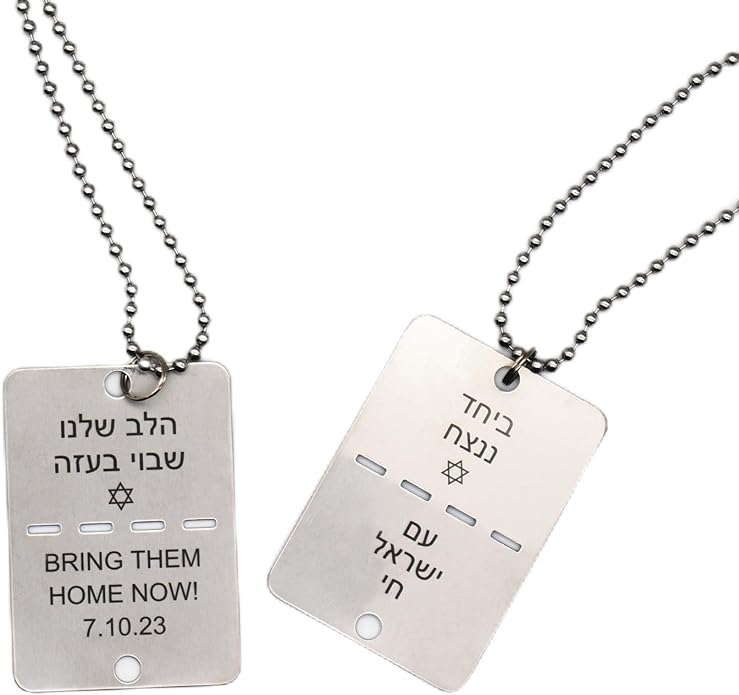
We sang Acheinu, the prayer for those in capitivity, for the hostages. I began singing this in Israel in July and it has become incredibly meaningful to me. It’s an easy song to sing, a powerful prayer to say, and reminds me to keep the hostages front and center in my mind. That, along with my ‘Bring them home now’ dogtag that I wear every day keeps my priorities front of mind. It has been almost 10 full months of captivity and the reports now coming out from released hostages are horrific. I’m glad that I learned the how to sing it and do so daily. It takes me a couple of minutes, fills me with gratitude for my life, and doesn’t let me ever forget the hostages.

Over the past few years, I have been very lucky to have some amazing Jewish mentors and teachers.  People who expose me to things that are meaningful and show Judaism in a different way in which I can connect.  Harry Rothenberg, Ari Shabat,  Saul Blinkoff, Lori Palatnik, Mickey Singer, David Abramowitz, and Rabbi Ehrenkranz are just some of them.  Each exposes me to different things to think about.  Each one expands my knowledge and enriches my life in different ways.  Pirkei Avot says, “Find yourself a teacher, acquire for yourself a friend”, and I have found this to be true.  Each of these teachers are also friends and only one is a Rabbi!

As somebody who raised somewhat religious and is not any longer, I have found deep meaning in Judaism through understanding the why of what we do.  The what doesn’t really mean much to me but the why is something entirely different.  As antisemitism grows and Jew hatred explodes across the globe, I have found investing in my Jewish identity and Jewish meaningful practices to be important.  I have begun to bake challah again.  I make sure to say thank you to God every morning for waking me up (the basis of the Modeh Ani prayer), and since I learned about thanking God for making the rooster understand the difference between day and night, I thank him for the beauty of nature and this world. (It is a funny prayer that we start with – almost like the Rabbi’s are pranking us!)

Many people think it is all or nothing.  You either go to synagogue or you don’t pray.  You either can pray in Hebrew or you don’t pray Jewishly.  You keep kosher or you aren’t really Jewish.  You keep Shabbat one specific way, or it doesn’t have any meaning to you.  I have found just the opposite.  There is incredible gray in Judaism once you understand why we do things.  Then you have the opportunity to do what is meaningful to you to accomplish the goals. 

I encourage you to explore the why.  To learn about why Israel matters to Judaism.  To understand the intent behind the services and the prayers we do.  It will open doors for you to grow in ways you can’t imagine.