Keith has been a nonprofit leader for 25 years before moving into the consulting world in 2023. He focuses on three major areas:
(1) Fundraising - All aspects from creating development plans, solicitations, annual, capital, endowment and special campaigns, as well as feasibility studies.
(2) Organizational development - This includes reviewing and creating the business structure, coaching and mentoring employees, board and staff training, job description review and creation, and creating organizational structure and charts.
(3) Family philanthropy.- Focusing on the goals of the family/individual to determine where to give and how to measure impact and ROI. This also includes the best vehicles to use for philanthropy and compliance for these vehicles.
Keith is a proud Zionist, having visited Israel 25 times. He has spent time meeting with leaders of Palestinian Civil Society as well as Israeli-Arabs, and lots of time with Jewish Israelis.
He is a huge sports fan. Favorite teams are the NY Yankees, Penn State Nittany Lions, Philadelphia 76ers and whatever team his oldest son is coaching.
The opinions in this blog are entirely Keith’s.
To contact him, you can email keithdvorchik@gmail.com
In light of Spike Lee’s antisemitic attire at the NBA and the NBA’s failure to follow their own Fan Code of Conduct in this incident, I am writing this open letter to you about the NBA’s failure to follow your own fan code of conduct and choice to be silent in the face of blatant Jew hatred at your 2026 NBA All Star Game.
Your league’s code of fan conduct states, “The National Basketball Association seeks to foster a safe, comfortable, and enjoyable sports and entertainment experience in which:
Obscene or indecent messages on signs or clothing will not be permitted.”
There are those who will make the argument that wearing the signs and symbols of Hamas are not obscene or indecent. Your choice to allow Spike Lee to wear this at the game is a clear indication that you agree with them. So let’s take a look at some actual examples of what you and the NBA does deem to be obscene or indecent based on your actions.
Yet wearing clothing and pins that glorify the massacre of 1,200 Israelis, the kidnapping of 252 people and them being held hostage, the rape of women, some repeatedly for more than 400-500 days, the murder of children and the elderly while the league ‘celebrates’ the first Israeli player in their all star game is totally acceptable. No consequences for Spike Lee. He wasn’t removed, he wasn’t asked to change his clothes.
Even worse, after the outrage from NBA fans and members of the Jewish community, you and your league continue to remain silent. No statement issued. No mea culpa. No apology to Deni Advija, the Israeli NBA all star.
Even Spike Lee, with his long history of Jew hatred and antisemitism, realized he went too far because of the public outrage. While his clarification isn’t really an apology or believable, he (or his publicist) knew he couldn’t stay silent. To think that an NBA superfan, which Mr. Lee is, wouldn’t know Advija is Israeli, especially with the PR about him being the 1st Israeli NBA all-star and knowing that Mr. Lee attended a NY Knicks game against Advija’s Trailblazers is beyond the pale. Yet he still had to make some statement, no matter how unbelievable it is.
Yet you and the NBA remain silent. Perhaps you think we will forget. Perhaps you think the game is so good that people won’t walk away. I have bad news for you. I’ve been an NBA fan since 1975. I have followed the 76ers since that Dr. J, George McGinnis, and Darryl Dawkins team. I grew up imitating the voice of Sixers PA announcer Dave Zinkoff. I watched the tape delayed coverage of the 1977 NBA finals against the Trailblazers (yes, the NBA was so popular then that the finals were on tape delay). I loved shouting out, “Julius Errrrrrrrrrrrving’ and still sing the classic 76ers theme song from the 70s and 80s. Acquiring Moses Malone and winning the NBA championship is a signature moment in my fandom and Charles Barkley remains one of my all-time favorite athletes. Allen Iverson was a can’t miss player. I ‘trusted the process’ and the horrible years of tanking. I had season tickets to the then Washington Bullets when I lived in the DC area just to go to NBA games and now that I live in Orlando, attend Magic games including the playoffs against the hated Celtics last season.
No longer. The NBA has showed me your true colors. You have showed me what you really value. You stand up for every minority except the Jews. Despite having a Jewish commissioner. Despite many Jewish owners. And despite the first Israeli NBA All Star.
I am no longer an NBA fan. I will no longer go to games, buy merchandise, or watch games on TV. The NBA is Dead to Me.
There is a chance that perhaps the NBA isn’t dead to me and just on life support. The ball is in your and the NBA’s court. Do you stand for freedom or for hatred? Do you stand for murderers, kidnappers, and racists or do you stand for those who value life? Do you even care about your own players?
I look forward to your response. I look forward to seeing the NBA’s response. I look forward to seeing a response from the NBA Players Association.
This weekend was the NBA all star game. I grew up as a fan of the NBA watching Dr. J and the Philadelphia 76ers. Then came Magic Johnson and Larry Bird. As a Sixers fan, I hated them and loved their game. The Bad Boy Pistons. The Jordan Bulls. Some incredible teams and fun to watch.
Over the past two decades, the NBA stopped being about basketball and became about individual player talent. Other than following the Sixers, I’ve mostly lost interest in the NBA as the style of basketball doesn’t really interest me. I’d rather watch college basketball or the WNBA where the style is more to my liking.
The NBA all star game has become something that I have no interest in. They play no defense. The stars don’t engage in the dunk contest. The 3 point shooting contest is fun to watch but I’ll see the highlights instead. This year was no different. I wasn’t going to watch any of it and saw the highlights of Damion Lillaird winning only because he is injured and can’t play but is healthy enough to shoot.
This morning, I officially ended my NBA involvment. What happened? A racist and bigoted man, Spike Lee, chose to wear ‘Free Palestine’ clothing to the game and was permitted to sit courtside by the league wearing that attire. If somebody had shown up in white robes of the KKK, would the NBA have allowed them to sit courtside? I certainly hope not and don’t believe they would have. Spike Lee is an antisemite, a Jew hater. He has shown this in his films and with his statements over decades. There is no question about this. Yet the NBA allowed him to sit courtside, wearing this hateful outfit including the red triangle pin which is specifically associated with the al-Qassam Brigades, a militant wing of the terrorist organization, Hamas.
With the story coming out last week about Arbel Yehoud, an Israeli woman taken hostage by Hamas and sexually assaulted by them for almost every one of her 482 days of captivity, Spike Lee’s endorsement of Hamas and the NBAs allowing him to do so has crossed a line. It wasn’t enough when Romi Gonen, another Israeli woman taken hostage and sexually abused for most of her 471 days captivity, spoke out. The NBA is tone deaf. They chose to sit silently and allow the equivilent of a member of the KKK to sit courtside, in their white robe, for the world to see.
Spike Lee chose to be silent as tens of thousands of Iranians were murdered by the regime. He and the other Jew hating celebrities showed they don’t care about the people, they care about hating and killing Jews. By allowing him to sit courtside at the NBA all star game wearing that outfit, the NBA endorsed him.
Obscene or indecent messages on signs or clothing will not be permitted.
It is clear that supporting Hamas, who kidnapped and raped women, who held hostages, who murdered innocent women and children with glee, and who uses their own civilians as human shields, clearly is not considered obscent or indecent by the NBA.
You can disagree with the actions of the Israeli government, Bibi Netanyahu, and grieve for the innocent people killed in the war that Hamas started. You can want there to peace and an end to hostilities. However supporting Hamas, a terrorist organization who attacked innocent people on October 7th, murdering more than 1,200 civilians, taking hostage 252 more, recording themselves celebrating the murder and raping of Jews, goes well beyond this. As a result of their choice, I find the NBA obscene and indecent. They are now in the same group as Spike Lee, Roger Waters, Mark Ruffalo, Mel Gibson, Susan Sarandan, Cynthia Nixon, John Cusak, and more who have publicly declared their Jew hatred. I don’t support any of them and won’t support the NBA any longer either. No more attending games, watching games on TV, buying any their jerseys or other items. They made their position clear. I am making mine clear as well.
As the world continues to enable and give a platform to the Jew haters who want us all dead, it’s beyond time to take a stand. The NBA understand money. They won’t get any more of mine. I hope Adam Silver is happy with the decision of his league. I hoped for better. That was my mistake. Let’s see if he speaks out or hides. I’m betting on him hiding. Goodbye NBA – I won’t miss you.
I wrote about Bret Stephen’s recent State of World Jewry speech at length. One part of his speech that I did not discuss in that post was when he said,
The Jew haters have a certain point because Judaism and Jewish values and Jewish habits of mind are indeed in many ways subversive to many social orders.
We are most successful when we are holding to our values, ethics, and morals, not those of the dominant society. Ever since the Romans took control of Israel, we have been under the control of dominant societies. It wasn’t until 1948 and the creation of the modern State of Israel, that we were the dominant culture anywhere in the world. For more than 2,000 years we survived because we lived within the dominant society but refused to give up who we are, what we believe, our morals and our ethics. Stephens was very clear about what this means.
The Jewish people are a counter-cultural nation. To make matters even worse, our counter-cultural convictions have generally helped us to flourish nearly everywhere we have put down roots.
What are some of those convictions? We believe there is one God, not many, not none, and therefore a common moral universe with a common moral code that applies to all people everywhere. We believe that human beings are made in the image of God and therefore that human life is inherently precious and that the lowest among us is equal in basic dignity to the highest. We believe in freedom and the quest for freedom and therefore we pose fundamental challenges to every tyrant who would deny that freedom.
We believe the Messiah has not come and therefore we are not beguiled by any self-declared redeemer. We believe in the word and in the text and therefore in literacy as a foundation for faith, not a threat to faith. We believe that questions are of equal if not greater importance than answers and therefore that curiosity, second guessing, and the quest for knowledge are social goods.
We believe in argument for the sake of heaven and therefore in disagreement that is not impudence and heterodoxy that isn’t heresy. Above all, we believe in the word no. No to the sun gods and graven images and child sacrifice.
No to pharaoh and Caesar, the inquisition and the reformation, the czar and the commissar. No to emancipation from our peoplehood by the French Revolution or to the erasure of our faith by the Russian Revolution or to the destruction of our statehood through the siren song of bi-nationalism. No to the erasure of God by reason or of moral judgment by moral relativism.
No to the seductive offer of eternal salvation at the cost of our covenant with God. I don’t mean to suggest by any of this that Jews are incapable of making our peace with our political and cultural surroundings. Obviously, we can, we have, and we do.
Powerful words and a lot to unpack. The more I read these words, the more I think about them and the impact of these beliefs, the more clarity I get. The belief in one God isn’t so controversial in today’s world. It’s not what drives Jew hatred today. However a common moral code is something has driven and continues to drive Jew hatred. People assume it means we think we are better than them. They misunderstand what ‘The Chosen People’ means. Instead of understanding that it means we chose to accept the Torah and the laws of the Torah, they think it means that we think we are better than them. Living by a moral code is not only difficult, when you choose to do so, you set yourelf apart. We value education and our signature coming of age ceremony is standing in front of the community and showing to them that we can read. It’s not a physical challenge like most coming of age ceremonies, but a statement of our values. Bnai Mitzvah is about showing the community that we have values, we understand our values, and we are accepting to live by these morals and values.
For those who don’t want to live by morals and values – dictators, bigots, power hungry individuals – the thought of a people who rejects that is a slap to their face. Everytime they see us, they see the reflection of their lack of values and morals. They can’t stand that reflection and so their hatred grows. As Stephens said, we believe people are created in the image of God which means that every human being has godly virtues and is of immense value. For those who hate ‘the other’ – be it based on age, race, gender, sexual orientation, income level, or anything else – the Jewish people are a reflection of their hatred and how they believe that all people are NOT made in the image of God. That somehow God made mistakes in creating those people who are different from them. Rather than change their beliefs, it’s easier to hate the Jews and blame us for anything they can.
As Jews we believe in freedom. Individual freedom and group freedom. We don’t try to make anybody become Jewish. In fact, if somebody asks to convert, we are supposed to tell them no three times before allowing them to begin the conversion process. This leads us to claims of exclusivity and once again, the false belief that we think we are better than anybody else. Our belief in freedom scares and intimidates the dictators and despots. There is no ‘King of the Jews’, no “Jewish Pope”. The fact that there are so many ways to be Jewish, so many different ways to interpret the teachings of the Torah scares those who rule by fear. The Gemmara is a compilation of hundreds of years of arguments about the meanings of Jewish texts. It’s Rabbis arguing with each other over centuries. As Stephens stated, we believe in argument and debate. Not just for the sake of argument and debate for the sake of heaven – for the greater good. There is no final word from any human being, it is always up for debate and discussion. I often wonder how Jewish identity would change if instead of the current supplemental religious school education, we taught our children to argue and debate. To learn in chevruta (groups) and debate with each other. We assume they aren’t capable but I’d make the argument that they are more than capable, that it’s what is missing. Challenge them, inspire them, and let them learn with and from each other. It is time for us stop following the same playbook that has gotten us to where we are – divided, uneducated, disunified, fearful, and threatened. It’s time for us to be raising a generation of proud and knowledgable Jews.
Finally, as Stephens clearly stated, Judaism has a core focus on the power of ‘No’. From the 10 commandments which clearly state many things we are prohibited from doing – murder, adultery, stealing, lying, coveting what others have, and taking God’s name in vain. 7 of the 10 are telling us what we must say no to; what behavior is not acceptable. Our Jewish norms and acceptable behavior is clear and from the beginning has been different from those of the general world. We don’t attempt to impose our beliefs on them, just on ourselves. We manage to be true to ourselves and respect the culture we live in at the same time. It isn’t us that has the problem with the differences, it’s them. We don’t demand everybody observe Shabbat. We don’t mandate the world keep kosher. We don’t demand perfection, as Jews we simply ask everybody to be the best version of themselves that they can be. There is a great midrash about Rabbi Zusha that demonstates this.
The great Reb Zusha was found agitated and upset as he lay on deathbed. His students asked, “Rebbe, why are you so sad? After all the great things you have accomplished, your place in heaven is assured!” “I’m afraid!” Zusha replied, “Because when I get to heaven, God won’t ask me ‘Why weren’t you more like Moses?’ or ‘Why weren’t you more like King David?’ God will ask ‘Zusha, why weren’t you more like Zusha?’ And then what will I say!?”
Bret Stephens challenged all of us to be the best version of ourselves that we can be. We don’t need to be perfect. We don’t need to be afraid. We need to learn, to grow, to live moral lives. We have control of our own actions. Our ancestors chose to live as Jews despite hardships. For thousands of years we have had to deal with Jew hatred and have successfully weathered it because we stayed true to who we are, to what we believe and what we stand for. Neither Stephens nor I am saying everybody needs to be religious, needs to follow every commandment or be a torah scholar. Both of us are saying that we need to learn what being Jewish really means and then act upon what we learn. Be proud of who we are and what it means to be a Jew.
If you belong to a synagogue, use Bret Stephens’ State of World Jewry as a starting point for a discussion with your Rabbi or in your men’s club or sisterhood. If you don’t, bring it up with Jewish friends and start a conversation. Challenge each other. Do something different. The future of World Jewry depends on what each of us will choose to do right here, right now.
For the past 3 years, the 92nd Street Y has hosted Bari Weiss, Dan Senor, and most recently Bret Stephens, to give their take on the State of World Jewry. Mr. Stephens gave his talk on February 1, 2026, and the reports of what he said were stunning. I wanted to listen to the speech myself before commenting and today, in Dan Senor’s “Call Me Back” podcast, I finally saw a video available.
I have been a fan of Bret Stephens for a long time and have had the pleasure of hearing him speak at events and conferences a number of times. He is thoughtful and direct. He gets to the point in a clear and concise manner. He doesn’t pull punches and is willing to share what’s on his mind regardless of what other may think. While I don’t always agree with what he says or writes, I do find it thought provoking and interesting. That’s more than I can say about most of what the media provides us with today.
I watched the video and was captivated by his words. He so clearly and bluntly said so much of what I have been feeling and working to address. He took on the existing norms of the organized Jewish community with a vengeance, not afraid to speak the truth. He started with one of the hottest topics and most well funded of our current Jewish issues. Antisemitism. When it comes to stopping antisemitism and Jew hatred, Stephens stated:
“We can’t, because for as long as there have been Jews, there have been Jew haters, and for as long as there will be Jews, there will be Jew haters. What’s been going on for over 3,000 years is not about to end anytime soon.”
Jews have been hated for thousands of years. Why do we think that now, we can change this, with marketing and PR? We think we must continue to try. We think that wearing a pin, ads during the superbowl, or using slogans with well liked Jewish foods will change people’s minds. Highlighting the gifts that Jews have brought to our world. Putting names on building are a solution to Jew hatred. The reality is that none of that works We continue to look to solve the outside instead of addressing the inside. Our Jewish communities are broken. The lack of Jewish knowledge is incredible. The quality of much of our Jewish education is low. Far too few children go to a Jewish school, be it a day-school or religious school. We don’t teach our children the facts they need to know. They don’t learn Jewish history, they learn bible stories without context. I often mock the religious school education that I received up to my Bar Mitzvah because it lacked any depth. It was ceremonial. It was performative. What we need, as Stephens’ points out, is not to attempt to change the minds of those who hate us with our good works but instead,
“It is to lean into our Jewishness as far as each of us can, irrespective of what anyone else thinks of it. If the price of being our fullest selves as Jews is to be the perennially unpopular kids, it’s a price well worth paying,”
Jews have survived and thrived for thousands of years, not by trying to make other people like us, but by undestanding who we are, what we value, what we believe, and then living that way. Ask most Jews what that is today and you are likely to get answers like, “We believe in one God” or “Keeping kosher, which I don’t” or “We don’t believe Jesus is the messiah”. Or you’ll get the most overused and misunderstood part of Judaism, “It is about Tikkun Olam, repairing the world.” While all these things are true, it’s not the essence of Judaism. Listen to Stephens as he not only says that Judaism is counter-culture but then explains exactly what it is and how it is counter culture. And how this counter-cultural nature of Judaism ensures we are hated as we challenge the status quo.
Perhaps the right way to fight antisemitism is to make sure we are educated about what being a Jew means. Perhaps it’s ensuring those involved with Jew hatred are held accountable for their actions rather than trying to enlighten them. Perhaps it is about being publicly Jewish, proud of our Jewish identity, and not bowing to fear. Stephens states powerfully,
The goal of Jewish life is not to ingratiate ourselves with others so that they might dislike us somewhat less. The goal of Jewish life is Jewish thriving.
And by Jewish thriving, I don’t mean thriving Jews individually speaking. I mean a community in which Jewish learning, Jewish culture, Jewish ritual, Jewish concerns, Jewish aspiration, and Jewish identification, exactly what goes on in these rooms every day of the week, nearly every day of the week, are central to every member’s sense of him or herself. How we choose to invest in our Jewishness, whether more religiously or more culturally or more politically or whatever, is up to each of us to decide.
It’s time for a massive shift in our efforts. It’s time for visionary leaders and philanthropists to reject the status quo. To admit the failure of the last 75 years. To remember that it is not about educating the Jew haters but educating the Jews. To stop trying to be loved or at least liked. To stop trying to have the Jew haters see us as equals. To stop thinking that if we only could educate the uneducated, things would be different. Stephens reminds us,
“From Martin Luther to T.S. Eliot to Sally Rooney, the world has never suffered a shortage of educated antisemites. Jew hatred is the product of a psychological reflex, and that kind of reflex can never be educated out of existence, even if for a time it may be sublimated or shamed into quiescence. Antisemitism, in other words, isn’t a prejudice or just a prejudice and a belief. It’s a neurosis.”
We aren’t going to change those who hate us. There is a reason that organizations like the KKK still exist today. Hate i spowerful and not rational. Hate doesn’t go away because we prove ourselves worthy. It’s buried deep int he hearts of those who hate. It’s up to them to change themselves, not for us to change them. We are so focused on showing we don’t deserve to be hated and trying to encourage them to love us that we don’t even know who we are or what we stand for. If the Jewish people were to be in therapy, we would be told focus on ourselves, not other people. We would be guided to find the solutions within ourselves. Stephens serves that role for us all, stating,
“It should go without saying that there’s nothing Jews can do to cure the Jew haters of their hate. They can hire their own psychiatrists and there is nothing that we should want to do either.”
Bret Stephens gave us a master class in how to deal with today’s world as a Jew. What to focus on and what to ignore. What matters and what doesn’t. What we can control and what we can’t. His ‘State of World Jewry” speech was powerful. Blunt. Direct. Clear. Thought provoking. So much that I agreed with. So much of what I believe. Inspiring. A must watch for anybody who cares about the Jewish people. We could have discussion groups about so many of the topics he brings up. I hope the formal leaders of the Jewish organizations, both national and local, choose to use this as a teaching guide. A manual for conversations about where we are, where we want to be, and creating a pathway to get there. Unfortunately, I don’t think that will happen. Unfortunately, I think those who most need to hear what he has to say and use it as a starting point, will choose to do nothing. I urge you to at least watch and listen to his speech below and then do something with it. If you want a transcript of it, send me a note and I’ll share it with you. Share it with your friends and discuss the points he makes. Dig deep into what being Jewish means. Bret Stephens is who coined the phrase, “October 8th Jew’ and he uses this speech to even better define that term.
I said at the time that the October 8th Jew was the Jew who, quote, woke up to discover who our friends are not. What I should have said was that the October 8th Jew was the one who woke up trying to remember who he or she truly is.
If October 7th brought up questions about who you are, what it means to be a Jew, and a lack of understanding the world we live in now, watch and listen to Bret Stephens’ speech and then, go learn. Find yourself a teacher and a group of people who want to ask questions and learn together. It will help you understand why, in the words of Bret Stephens, we will,
“Endure the honor of being hated as we continue to work towards a thriving Jewish future.”
Bret Stephens’ State of World Jewry talk at the 92nd Street Y on February 1, 2026 (with Dan Senor before and after). Please watch, listen, and learn.
I read an incredibly powerful piece by Chagi Luber, an actor, playwright, theater director, acting teacher, founder and artistic director of the Aspeklaria Theater and School of Acting. Chagi’s son, Yehonatan (z’l), was murdered in Gaza in December 2023, while battling terrorists. It was a beautiful piece, each sentence more powerful and impactful than the next. The title intimindated me, and I was hesitant to read it, but the more I read, the deeper I felt.
Today at Your Wife’s Wedding
And we will wash and dress up and wear that same festive garment. And we will travel as we did then, the whole family, to the wedding. And we will enter a familiar hall decorated with flowers. And we will shake hands again with acquaintances and strangers, And we will say, as people always do, “Mazal Tov” a hundred times. And we will stand once more beside the bride’s chair. And we will sing by heart that song of longing, When her head, crowned with a white veil, will be wrapped once again in a veil.
And under the chuppah that melody will be played. And the bride will circle that same circle. And again ‘Behold, you are consecrated unto me.’ And a ring will be placed on her finger.
And the glass will be shattered, just like our hearts, And together with our son under the wedding canopy, We will play ‘If I forget thee, O Jerusalem.’
And everything is new and everything is as it was. And great joy. And Jerusalem is being built, And with it a new family. And there is a husband for the widow. And a father for the orphans. And rebirth for our nation.
And high, high above our tears And above our torn heart, You hover, And smile a silent smile, And whisper in a clear and pure voice, “Mazal Tov to you, my wife.”
—–Chagi Luber
I have read this many times. The deepness of the words, of what it means, continues to effect me. We have lost so much. Wives, husbands, and children. Sons and daughters. We’ve lost our innocence. October 7th changed everything. For those living in Israel. For those of us in the diaspora.
The rise of antisemitism throughout the world is frightening. The murder of Yaron Lischinsky (z’l) and Sarah Milgrim (z’l) as they left a Jewish event in Washington, DC, shook us all to the core. How many Jewish events have each of us walked out of, not even thinking we were in danger. Those days are over. The belief that it could never happen in the United States is gone. Growing up in the 60s, 70s, and 80s, I felt safe. Since October 7, 2023, that is no longer the case. Each attack on Jews and Jewish spaces in the United States and around the world is a reminder that as a Jew, I am never safe. It’s a fallacy, a dream.
Yaron Lischinsky (z’l) and Sarah Milgrim (z’l)
As a proud Jew, I wear my Magen David (Star of David) proudly. I have clearly Jewish tatoos that I don’t choose to hide – often wearing short sleeve shirts intentionally to make sure they are seen. My car has a ‘Florida Stands with Israel’ license plate.
Despite not feeling safe, I refuse to hide. We saw what hiding did during the Shoah. They find us anyway and we are powerless to do anything to protect ourselves. The answer isn’t to be less publicly Jewish, it’s to be more publicly Jewish. US Representative Randy Fine (R-FL) chose to start wearing a kippah after his son challenged him about living up to his public persona as ‘The Hebrew Hammer’. Like his politics or not, he chose to make a big public statement about being Jewish.
In 249 years, I am the first member of Congress to ever wear a Kippah on the House floor.
I’m not wearing it for myself.
I’m wearing it for the students who don’t feel safe on college campuses due to the rise in Muslim terror. pic.twitter.com/ydm7NCShoc
A friend of mine in Orlando, a physician, chose to wear a kippah after the loss of his son, to honor his memory. Every patient he sees, every nurse and doctor that he works with, every tech and orderly, every visitor to the hospital, all see a public Jew. That matters. We may have lost our innocence but we have gained more Jewish pride.
January 18, 2026 was Kfir Bibas’s 3rd birthday. Beautiful Kfir, a baby on October 7, 2023, was kidnapped by Hamas terrorists and then murdered, strangled, by those same terrorists. Less than a year old, he was convicted of the crime of being a living Jew and sentenced to death.
Yarden and Kfir (z’l) Bibas
His father, former hostage Yarden Bibas, acknowledged this painful day on Instagram, writing, “I’m sorry for bringing you into such a cruel world,” he wrote. “You were forced to evacuate your home because of a round of fighting in Gaza just a few months after you were born. You managed to taste solid food, you started to crawl, you reached your brother’s fourth birthday. You didn’t reach your first birthday, so how can I acknowledge your third?” The pain and love is obvious in his words. He concluded by writing, “I’m sure that Mom, Ariel, and Tony are celebrating for you in the Garden of Eden. I’m sure that Mom is giving you the best and happiest birthday possible, just like she knows how to do. I love you the most in the world, always.”
Yarden’s words mirror the words of Chagi Luber. The love, the pain, the loss, and yet life must move on. As I read both their words, I felt the deep pain of loss. I felt the tears well in my eyes and a tear in my soul. When I think about those who deny that any of it happened, who justify the abhorrent actions of the Hamas terrorists, and who support those who kidnap and murder innocent children, I am filled with rage.
Rabbi Harold Kushner wrote, “Our souls are not hungry for fame, comfort, wealth or power…Our souls are hungry for meaning, for the sense that we have figured out how to live so that our lives matter, so that the world will be at least be a little bit different for our having passed through it.”   Post October 7th this is even more clear.  When I read the words of Chagi and Yarden, I think deeply about that search for meaning, that need to know what I do matters and that I make a difference.  Perhaps that is what we have all gained.  The recognition of just how important it is do things with meaning.

When people say or write that they can't believe what it is happening or that things are unbelievable, I find myself thinking of this quote by Rabbi Kushner.  It is because of us that things are happening the way they are.  It's because of us that these things are not unbelievable.  Our action, often times our inaction, is what causes this.  If we want to live a life of meaning, we have a responsibility to act.  We have a responsibiity to Chagi Luger and his entire family, to his son Yehonatan (z'l), to Yaron Lischinsky (z'l), Sarah Milgrim (z'l) and their families, to Yarden Bibas, to Kfir (z'l), Ariel (z'l), and Shiri (z'l) to live with meaning.  To change to world.  To do our best to make what happened to them never happen to anybody else again.

My father died just over a year before October 7th.  I often think of the conversations we would be having now about the state of the world and our obligation and responsibility to make it better.  The things he would inspire me to do. While I can't hear his voice with my ears, I certainly hear his voice in my mind and in my soul.

We have lost so much.  We have gained responsibility.  Awareness.  Obligation.  What are you going to do about it?
As we come to the end of 2025, I have found myself spending a lot of time in contemplation about the year we are finishing. It’s been a very difficult year. The rise of Jew hatred around the world is overwhelming. The violence against Jews is frightening. The continued lies of Israeli genocide boil my blood. I watch as the extremes on the left and the right in the United States continue to blame Israel and the Jews for everything. There are too many on both sides to begin naming them, as I’m sure I would forget somebody.
The job market is tough. The number of friends that I have who are looking for work and getting discouraged is yet another frightening reality. Talented, qualified professionals. I speak to at least one of them almost every day, being a friend, being supportive, and helping any way that I can. One of them asked me today, “Was I bothering you asking about a job?” That upset me more than I expected it would, as I asked myself, “why would it bother me to help a friend?”. The I realized that for them, it must feel like an imposition. For them, it’s a critical need. For them, they don’t want to be a bother but also want and need all the help they can get. I replied, “No. It’s rough out there so helping when I can is meaningful.”
Years ago, I stopped making New Year’s resolutions. The last New Year’s resolution I ever made is the one that I have been able to keep the longest. It was to stop making New Year’s resolutions. I felt it was time to focus on action, not wishes. Change, not empty promises. As we approach 2026, I found myself getting depressed as things seem to be sinking deeper and deeper with no way out. No light ahead, just different paths of darkness. Change seems so unlikely to happen and there are so many roadblocks to it.
And then, as I was looking through LinkedIn today, I saw something that made me stop and pause. It was from an organization who stated that their mission was “helping to build the spiritual foundation of a loving world.” It grabbed my attention and made me look at them even more. In their vision, they state that, “We believe that social transformation must fundamentally include spiritual ways of understanding the world in addition to scientific ways of knowing. Our goal is to prove that viewing the world as inherently sacred…” It felt like jolt as I read it. What would our world look like if our leaders viewed the world as inherently sacred? We live in a time where building a spiritual foundation and desiring a loving world seems impossible. Yet if we can find a way to understand both the spiritual and the scientific, perhaps we can then view the world as inherently sacred and begin to act that way. In their FAQ section, when answering what spiritual solutions are, they write, “we believe that many of the challenges facing our world — division, disconnect, injustice — are not only political or economic, but deeply spiritual. Spiritual solutions begin by shifting how we see: from separation to connection, from fear to love, from transactional to relational, from tactical to transformational.” I began thinking of what our world might look like if we focused on spiritual solutions and began to live as connected, loving, relational and transformational people.
Figuring out where to take that awareness left me struggling a bit. As I walked my dog, listening to country music, talking to her as we walked, I realized that I needed inspiration. I needed to find something that could restore my hope, that would inspire me to continue fighting for what I believe in – a better, kinder, and more just world. I also realized I can’t do it alone. After getting home from our walk, I went to one thing that has always inspired me. I returned to watching TheWest Wing. It is one of my favorite all time television shows. It makes me think. It brings up important topics. It has deeply flawed characters that all want the common good. It shows struggles, decisions by the characters in the show that they regret, honor, and are passionate about. It shows patriotism, caring for others, civilized debate and discussion, and has characters that truly lead. I don’t always agree with the characters but I respect them. The last time I began watching it, I had stopped at the end of season 3, so I began watching again at the start of season 4.
There was so much that applies to today. An election that matters. Conflict in the Middle East with Israel being wrongly cast as a villian. Not enough teachers in the schools. The high cost of college and the challenges of affordable college education. Credit card debt. High college loans. A government out of touch with what is happening on the ground to regular people. A divided country. A need to come together with a challenge of how to do it and who will lead it. Rising antisemitism.
Yes, in late 2002 The West Wing was addressing the rise of antisemistism. If only we’d listen. This dialogue between Josh and Toby was brilliant and could be something we hear amongs Jews today.
Josh: “You have an inadvertent habit of putting down my Judaism by implying that you have a sharper anti-Semitism meter than I do.”
Toby: “You know the ancient Hebrews had a word for Jews from Westport; they pronounced it ‘Presbyterian.’”
As I watched show after show, my downcast spirit began to rise. How could a show about fictional leaders from 23 years ago improve my outlook from this dismal time? It reminded me that there is a better option. There are people who care more about the country than power, influence and money. For every Senator Bernie Sanders who stops children with cancer from having a chance at lifesaving treatment because he didn’t get everything he wanted in the deal, there is a Senator Howard Stackhouse on the West Wing who only runs for President only to make sure the imporant issues are discussed. For every Representative Thomas Massie or Marjorie Taylor Green, there is an Ainsley Hayes from the West Wing who puts country and the people before party.
As I listened to President Bartlett give his speech during the Red Mass service, after terrorists killed 44 people on a college campus, I thought about October 7, 2023 and what happened in Israel. I thought about what leadership could have looked like at that moment. The message that could have been sent by American leaders and leaders around the world and the message that was actually sent. The civilians and people in reserves who ran into the fight with Hamas terrorists. Imagine if world leaders had said something like what President Bartlett said, “The streets of heaven are too crowded with angels tonight. They’re our students and our teachers and our parents and our friends. The streets of heaven are too crowded with angels, but every time we think we have measured our capacity to meet a challenge, we look up and we’re reminded that that capacity may well be limitless. this is a time for American heroes. We will do what is hard We will achieve what is great. This is a time for American heroes and we reach for the stars.”
The West Wing is a reminder of what leadership CAN be. It’s a reminder that we bear responsibilty to elect the leaders that will inspire us, that will work for the betterment of all, that won’t be stuck on ego, power, and money. That’s on us. We, the people, have allowed our Congress not to work for decades. We, the people, have continued to nominate and elect those in power. It’s time we stop trying to blame others and take personal responsibility.
In the beginning of season 4 of the West Wing, Toby and Josh meet a man bringing his daughter to visit colleges. She is excited. He is excited. Yet he left her in the hotel room to go to the hotel bar because he’s worried about how he will be able to pay for it. The interaction had a profound impact on Toby and Josh. When back in Washington, they work to find a solution. Their excitement as they think they have found a way is infectious. They convince others that this is something they can accomplish. That it’s not just something we should do but find a way to fund it. When President Bartlett gives his speech about education after the shooting on campus, he starts with a line from scripture. “Joy cometh in the morning.” It’s an exceptional speech that reminds us how we find the spiritual solutions to economic and social problems. The West Wing, 23 years ago, was teaching us the lesson we need to learn today. There are things we can’t do anything about and we can’t worry about them. There are things we can do something about and it is our obligation to take action and do something. To make a difference. To change the world.
Taking the inspiration from the West Wing and the different way to look at things through a spiritual solution focus highlighted by this organization, they outline a few important things as to how effective spiritual solutions often follow a simple but powerful pattern. Their model is:
Diagnose the Problem Differently: Instead of only seeking and exploring what’s broken, we ask “What’s sacred?” This reframes the issue from one of scarcity and division to connection and potential.
Center the Sacred: Whether through relationship-building, contemplative practices, ritual, or cultivating shared meaning, spiritual solutions reconnect people to what matters most — Spirit and the full community of life.
Shift the Culture: When hearts and imaginations are engaged, systems can begin to evolve. Policy, practice, and even data become tools for deeper, more compassionate outcomes.
Nurture Ongoing Transformation: Spiritual solutions are not one-time interventions. They are ongoing commitments that require sustained reflection, humility, courage, and love over time.
It’s time we stop hating the political party that isn’t ours. It’s time we stop hating those on the opposite political spectrum. It’s time to focus on love and communication, on kindness and faith. It’s time to roll up our sleeves and do the work required together with those who have different opinions.
As we move into 2026, my goal is to use their model, continue my Jewish learning to understand more of how Judaism encourages us to look at the world, and further build relationships so that I can do my part. I did my part today, following the lead of Hillel Fuld who ‘meets with the CEO’ every morning. I made sure to start today by meeting with the CEO just like Hillel does.
Little things matter. Having a spiritual connection matters. Building relationships with others matter. If we want to live in a world filled with hope, have leaders who work towards building a better world, and care about others, there is a path.
The West Wing reminded me of that path. We don’t all have to be Jed Bartlett. We can be Toby or Josh. We can be Sam, CJ or Donna. There are many different roles that bring us hope and watching The West Wing brought me back to hope. Hope alone is just the beginning. Now it requires action. 2026 is going to be an action packed year for me. How about you?
There is just over a week left in 2025. It’s hard to believe we are a quarter of the way through the century. 1985 seems like yesterday. Y2K seems like it was just a thing. Time is flying by and yet, each day seems to be a struggle with the rise of Jew hatred.
I’ve found myself reading a lot and listening to a lot of music lately. There are a number of things I’ve read and heard in song lyrics that have spoken to me, so I thought I’d use them as some inspiration as we not only prepare to end the year but also the first quarter of the century.
One of my favorite songs is by Tim McGraw called “Live like you are dying.” It’s the story of a man who is diagnosed with a serious illness, one that might kill him. As a result, he decides to live the type of life he always wanted to. Some of the lyrics of the chorus hit home as they remind me, as the song instructs us, that we don’t have to wait until it’s too late to live the life we want. We can do that now – we can choose to ‘live like we are dying’. Those lyrics are:
And I loved deeper And I spoke sweeter And I watched an eagle as it was flyin’ And he said someday I hope you get the chance To live like you were dyin’
As a Jew, I don’t need to wait to embrace the gifts of Judaism until it is too late. There are so many lessons about how to live our lives to the fullest. To be proud of who we are and what our heritage is. To celebrate the joy of holidays and the lessons they teach us. Hanukkah, which just ended, isn’t about the 8 days of presents. It isn’t Jewish Christmas. It’s a reminder that in the darkness of the world, we have the ability to bring light. Each night, as we light one additional candle, we physically bring more light into the world. Our actions can do this too. We can choose to be kind, to be polite, and to bring light into what has become a very dark world.
I recently helped lead a trip to Israel for 30-45 year olds focused entirely on leadership. Through a combination of being in Israel, working the land, volunteering to help others, text study, listening to speakers including those who lived through the horror of October 7th, we explored a deep connection to Judaism and what our role can be in terms of not just ensuring continuity but building a stronger world. L’Dvor V’Dor, from generation to generation, is not just a motto but a way to live. Picking oranges that were donated to those who were hungry and making sandwiches and giving them out to those defending Israel and the Jewish people were powerful connections not just to Jewish identity but to our history and heritage. Listen and sign along – it’s infectious.
I read a story this week about a high school kicker who missed the extra point that would have tied the state championship game with under a minute left. With only 2 time outs, he figured the game was lost. He hung his head – he cost the team the state championship and missed the last kick of his career.
All of a sudden, his teammates ran over to him, urging him to get ready. He didn’t understand. What could have happened? One of the other team’s players took off his helmet and raised it in the air after their first snap, a personal foul which stopped the clock. They used their time outs and were going to get the ball back. He went to start practicing but everything was put away. Dads of players held up the net and held the ball for him so he could practice before the kick. When he finally took the field, it was a 44 yard field goal – a yard longer than the longest he had ever made.
In his own words, he “started praying to God: Please help me forget about that. Please help me forget about that.” Before he had a chance to attempt the game winning kick, once again in his own words he thought, “I’m glad I get a chance to kick this again because otherwise that was going to be the last time I kicked a football in a game. It can’t get much worse than what just happened.“”
He made the kick, the team won, and he went from losing the state championship on an easy missed extra point to winning it on a career long kick.
This describes Judaism in a nutshell. We’re never as bad as our worst moment nor are we as good as our best. We don’t succeed on our own, we do it as a community. He needed the defense to step up. He needed a bad punt by the other team. He needed help warming up. He got it all. He was never alone. As Jews, we are never alone, we have each other. We have the Jewish community.
October 7th was one of the lowest moments in recent Jewish history. At the critical moment, we failed. 1200 people were murdered. 251 were taken hostage. Since then, the rise of antisemitism is frightening. On December 14, 2025, at a Hanukkah celebration on Bondi Beach in Australia, a father and son murdered 15 people for the crime of being Jewish. Many more were injured. As we learn more about what they had planned, we got lucky that their IEDs didn’t go off, that the homemade bombs they threw before opening fire didn’t explode. We weren’t alone.
I’ve been to Israel five (5) times since October 7th. I’ve witnessed what happened at Kibbutz Kfar Aza, Kibbutz Alumim, the Nova site. I’ve spent time with regular people who have spent most of the past two (2) years in reserves, defending Israel and the Jewish people. They left their jobs and their families. Their children didn’t know when, or if, they were coming home. They did it for Am Yisrael, the nation of Israel. They did it for Klal Yisrael, the entire people of Israel.
It is a reminder that we all have greatness inside of us. The question is what are we going to do with it. A quarter of the 21st century is about to be behind us. What have we done with that 25 years? Do we want to be a part of greatness? Do we want to help change the world?
The kicker said, “I didn’t get in my own head. The first thing that helped me with that was after I missed the extra point, I didn’t hear anything bad from my teammates. And when I warmed up, everyone told me: “You’re good, bro. You’ve got this. We trust you.” That helped my mindset.”
That’s also Judaism. We don’t believe in L’shan Hara, Hebrew meaning “evil tongue” or “evil speech.” This includes any negative, derogatory, or harmful talk about someone, even if true, that damages their reputation or causes pain. We believe in building each other up, not tearing each other down. In today’s world, with so much divisiveness in the Jewish community, we can take a lesson from this football team and this kicker. If we build each other up, even when angry, frustrated, or disappointed, we can have a bright future. If they had bad mouthed him, talked badly about him and his ability to kick, who knows if he would have made that game winning field goal. The Jewish people are too small to rip ourselves apart. It’s too important to build each other up. We can disagree about anything – even everything – and not engage in L’shon Hara, evil speech.
On our trip to Israel earlier this month, we all had a profound experience. It changed us all in various ways. The picture below, captioned by one of the participants, says it best. “The trip that changed us.” That what Judaism does – it changes us. It helps us be better people. It helps us build a better community, a better world. As we prepare for a new year and the start of the 2nd quarter of the 21st century, this each of our opportunity to make a commitment to being better people helping to build a better world.
As I walked the dog tonight, the lights of the houses across the lake and the moon in the sky were captivating. It showed me the beauty in the world, even with all the ugliness that people create. It reminded me that there is beauty in the world and we, as people, have the opportunity to appreciate and build on the beauty or create ugliness.
Near the end of Live like you are dyin’, Tim McGraw sings,
Like tomorrow was a gift and you’ve got eternity To think about what to do with it What did you do with it What did I do with with it What would I do with it
As we finish 2025 and start the 2nd quarter of the century, what will you do with the gift of tomorrow?
US Senator Bernie Sanders likes to use his Jewish heritage as a way to defend himself as he attacks Jews and Israel. He uses his personal hatred of Prime Minister Benjamin Netanyahu as a way to batter Israel and put Jews in the US and around the world in danger. He chooses to tell half truths and outright lies in his frantic, yelling style in an attempt to make them true.
Earlier this week, on December 16, 2025, he chose not to sign onto a joint statement issued Monday December 15, 2025, by Jewish Senate Democrats condemning the Sydney attack with a weak excuse about an earlier statement about antisemitism. This is the essence of Bernie Sanders. Lie, yell, deflect, and spew hatred against those you dislike, all while becoming wealthy while pretending to be one of the people.
This week he issued a very troubling statement, criticizing Netanyahu who linked the terror attack in Sydney, Australia, to Australian PM Canberra’s recognition for a Palestinian state. In the statement, he made four critical claims that need to be addressed. I’m sharing my thoughts on each of them.
DISCLAIMER: I am not going down the rabbit hole of ‘is there a Palestine or Palestinian people’? That is not a helpful or useful dialogue as the people exist and that’s how they are choosing to identify. That debate only creates division and doesn’t move us towards any hope for a better future.
Claim number 1: “No, Mr. Netanyahu. Speaking out on behalf of the Palestinian people is not antisemitic.
Here his claim in correct. Speaking out on behalf of the Palestinian people is certainly not antisemitic. Ignoring how they are damaged by the Palestinian Authority (PA) and Hamas while putting all the blame on Israel is 100% antisemitic. When I visited and met with leaders of Palestinian civil society in 2019, there were a number of things that were very clear. First, they had some major issues with the Israeli government and government policies. Many of their issues I agree with. Secondly, they had no use for the PA. The corruption of the PA, the lack of elections had the people I met with who were not on the PA’s payroll united that they were useless and harmful to the Palestinian people. Endorsing a Palestinian state that wants to eliminate Israel, that doesn’t hold elections, that has a government that rewards violence and the murder of Jews, is problematic. There is a very big difference between speaking out on behalf of the Palestinian people and blaming Israel for everything. Senator Sanders blames Israel for everything.
When I ran Hillel at UF, I used to publicly wonder why I was more pro-Palestinian than those in Students for Justice in Palestine (SJP). I wanted there to be a Palestinian state with free elections. A place with a thriving Palestinian economy, Palestinian universities staffed with Palestinian professors, meeting in buildings built by Palestinian construction companies. Places that turned out Palestinian doctors and nurses that worked in Palestinian hospitals that were built by those Palestinian construction companies. And most importantly, one that lived in peace with their neighbor, Israel. People like Bernie Sanders simply want no Israel. They don’t care when Hamas murders the civilians in Gaza. They don’t care when Hamas starves the people of Gaza. They only want to blame Israel. So yes, Senator Sanders, speaking out on behalf of the Palestinian people is not antisemitic but when you do so only to blame and vilify Israel, it certainly is.
Claim Number 2: Opposing the disgraceful policies of your extremist government is not antisemitic.
Senator Sanders claims that opposing the policies of a government is not antisemitic. He is 100% correct. There is nothing wrong with opposing the policies of a government. Even in thinking and staying that they are ‘disgraceful’ or calling the government ‘extremist’. That’s the beauty of a democracy. The protests in Israel against the current government have been massive. I was able to watch one outside my hotel in Jerusalem last year. It was amazing to see. The protests were non-violent. There is absolutely nothing wrong with opposing the policies of a duly elected, democratic government. The problem is that Senator Sanders doesn’t oppose the brutal government of Hamas in Gaza. He doesn’t speak out against the government of the Palestinian Authority, elected to a 4-year term on January 9, 2005! For all of Senator Sanders outspoken worries about President Trump not leaving after his term, he supports and doesn’t criticize Mahmoud Abbas, now finishing year 20 of a 4-year term! What hypocrisy!
People like Bernie Sanders hide behind their claims of criticizing the government while actually criticizing the legitimacy of the State of Israel. All they have to do is watch as hundreds of thousands of Israelis protest against the government, peacefully. They can watch disagreements in the Knesset, read the Israeli papers that criticize the government. Instead, they allow their hatred of Bibi Netanyahu to put all Jews around the world at risk.
Claim Number 3: Condemning your genocidal war, which has killed more than 70,000 people — mostly women and children — is not antisemitic.
The facts prove that there is no genocide in Gaza. According to a recent report by President Trump, there have been 67,000 deaths in Gaza with 58,000 of them being Hamas fighters. The 67,000 number comes directly from the Gaza Ministry of Health (Hamas). This means that the civilian to combatant ratio is 0.16 to 1. Israel has consistently reported the ratio in the 1:1 or 1.5:1 ratio. The UN average, or what is permissible in every war that doesn’t involve Israel, is 9 to 1. Facts matter except when it comes to Bernie Sanders and Israel. The data also shows that most of those killed in Gaza are not women and children but are men. Once again, Bernie lies.
Hamas uses women and children as human shields. They use the sick and the elderly as human shields. None of that matters to Bernie Sanders. His hatred for Netanyahu and his hatred of Israel means that he spreads the lies about genocide, putting all Jews at risk. That is antisemitic. Spreading the genocide libel is antisemitic.
Ignoring the actual genocides ongoing in the world while lying about a fake one is antisemitic. Christians are being massacred in Nigeria for the crime of being Christian. Sudan is experiencing the world’s worst displacement crisis and one of the world’s worst hunger crises with nearly 25 million people in need of assistance. No Jews, No News.
As for the fake genocide, the population in Gaza has actually INCREASED since the start of the war. If this was a genocide, it would make it the worst attempt at genocide in history.
Some genocide. Gaza’s population has grown significantly since 7th October with a 2.06% growth in the last year (US=0.98%). This is because Israel has conducted precise military operations to minimise civ casualties while maximising humanitarian aid so that deaths in Gaza were… pic.twitter.com/WHkfqUpbVA
Claim Number 4: Demanding that your government stop bombing hospitals and starving children is not antisemitic.”
Allowing Hamas to use hospitals as military bases while condemning Israel for attacking the sites that are firing rockets and missiles at them is antisemitic. The demand should be that Hamas stop using hospitals as military sites. Their use of hospitals as military sites is a war crime. No questions about it. Except that they are doing it against Jews, which is always the exception to a crime. Bernie and his crew totally miss the target here. Hamas digs tunnels under hospitals to use them as military sites. That’s the outrage. Hamas hid hostages in hospitals, that’s the outrage. Claiming Israel and the Jews are randomly bombing hospitals is not only wrong, it puts Jews at risk around the world.
The claim of starving children is yet another lie. There are plenty of images of literal tons of food and aid being delivered to Gaza and sitting there, being undelivered, by UNRWA and the Red Cross. They refused Israel’s support in delivering the food, demanding that Hamas help them deliver the food and aid. The same Hamas that was stealing the food. The same Hamas that was selling the food on the black market. When the complaint from the people of Gaza is that the free food is too expensive, the problem is easy to see. Yet Bernie and his crew ignore the facts to once again blame the Jews.
Earlier this month, it was discovered that Hamas hid tons of baby formula to damage Israel with starvation claims. The images are damning. Yet the media ignores the truth and runs with the lies. People like Bernie run with the lies because it gets them time on TV, headlines in the paper, and helps make them rich. They don’t care about the people in Gaza, those in the hospitals being used as military bases, or the mothers who can’t feed their babies. They only care about blaming the Jews. The facts bear this out.
This isn’t to claim that Israel is blameless or perfect. This isn’t to say that criticism of Israel is automatically antisemitism. When it’s clear that Israel is being singled out, held to a different standard, the lies are getting the headlines while the truth gets buried, that is antisemitism.
People like Bernie Sanders put my life and my family’s life at risk. What happened at Bondi Beach on the first night of Hanukkah could have happened at any Hanukkah celebration around the world. It could happen at one that my family is attending. If you doubt that, read these accountings from the past WEEK in New York, published in this NY Post article.
In just the last few days, multiple alarming episodes of open Jew-hatred have shocked New York City.
Saturday night in a tony West Village eatery, a Jewish woman asked a bigot to cool it with his noisy antisemitic language. He screamed filthy slurs at her, calling her an “ugly f–king Zionist,” insisting, “we will rid this country of f–king you.”
Monday night in Brooklyn, a pair of nasty bigots harassed Hanukkah celebrants, and yelled “F–k the Jews” on a subway platform.
Once on the train, one thug grabbed a visibly Jewish man by the throat and threatened to kill him.
Then, Tuesday afternoon in Crown Heights, an unhinged pedestrian shouted antisemitic remarks at passersby and stabbed one in the chest.
This is New York. The United States of America. 2025. I’m afraid of what 2026 will bring with people like Bernie Sanders making outlandish and false claims against Israel and the Jews. We must stop the lies now. We must hold the liars accountable for their lies that incite violence. Freedom of speech does not mean freedom from consequences. Inciting violence is a crime and that’s what Bernie Sanders continues to do. He can hate Benjamin Netanyahu all he wants. He can hate Israel all he wants. He can even hate his Jewish heritage if he wants. He isn’t entitled to incite violence against people like me and my family.
It’s time to put an end to the hate. It’s time to demand more from people like Bernie Sanders.
I have been writing and talking about the rise of antisemitism and Jew hatred for over a decade. In July of 2016, I co-authoried this article in the Seattle Times calling for people to stand up and speak out against antisemitism. I’ve endured ridicule from those on the far left in the Jewish community and people telling me that this is America and we are safe here.
October 7th and the more than two years following that has changed some of that ridicule as more in the Jewish community are seeing the blatent Jew hatred around the world and in America. Yet, as we as Jews have done for centuries, we continue to see ourselves as members of the society we live in first and Jews second while the rest of the world sees us as Jews first, second, and third. Whether it’s Jews like Peter Beinert and Bernie Sanders or leaders like Zohran Mamdani, Rashida Tlaib, Ilhan Omar, Alexandria Ocasio-Cortez, or talking heads like Tucker Carlson, Candace Owens, Joe Rogan, and Nick Fuentes, we are being battered on all sides.
On Sunday, on Bondi Beach in Australia, we reached a breaking point. Two gunman attacked a Hanukkah celebration, murdering at least 15 and wounding at least 40. The death and injury count would have been even higher if not for the bravery of one man, Ahmad Al-Ahmad, a 43-year-old Muslim man, husband and father of two, who risked his life to save others, wrestling the weapon from one of the terrorists. The video is incredible and we can watch a true hero in action.
We’ve seen things like this before. Unfortunately they are too many to even list. There was a school shooting at Brown University earlier that day. Hatred and murder go hand in hand. As a world, we have emboldened hatred of ‘the other’ and this is the result. It happens time and time again. We have seen in the LGBTQ+ community, the African American community, the Muslim community, the Sikh community, with violence against women, and any other group that somebody deems as being ‘different’ or ‘the other.’ That isn’t the breaking point I refer to.
The breaking point I refer to is all the people who chanted, agreed with, failed to condemn, defended slogans like ‘Globalize the intifada’, condemning the attacks they they helped ensure would happen. It’s the leaders of countries who, by their actions and inactions, created the environents that make this type of violence and murder a reality, now condenming it. Public Jew haters like Rashida Tlaib, posting she is ‘heartbroken’ by the very thing that she advocates for on a daily basis. Brianna Wu’s comment is what we all should be feeling.
Australian Prime Minister Anthony Albanese speaks out after the shooting while failing to take responsiblity for his inaction despite warnings that Jewish gatherings were going to be attacked. He and the Australian government actively took steps prior to the shooting to encourage Jew hatred, to fuel antisemitism, and to make Australia not safe for Jews. The day before the murderous attack at Bondi Beach, this article was published, highlighting the rise in “unprecedented anti-Jewish violence” while the government does nothing. Nothing but try to play the victim and shirk responsibilitiy after their actions and failure to act resulted in mass murder of Jews.
Comedian Michael Rappaport’s comment on Mayor Elect Mamdani’s post states exactly what I am talking about. Set the stage for violence against Jews and then when it happens, call for peace.
Its easy to call for peace when you’ve already set up the stage for violence. https://t.co/llmMydJEVj
I’m beyond disgusted by these people who actively hate Jews, who do what they can to ensure the death of Jews, and then pretend after it happens that they are sad. I go back to the famous Maya Angelou quote. I’m tired of the two faced liars who want me dead and want me to help them murder me.
Last night was the big, public Hanukkah celebration in my town. I had been excited to go. I was excited to celebrate being Jewish publicly. The past few days, I have been feeling worn out from all my travel the past 10 weeks. North Carolina, Israel, Baltimore, Ft Myers, Tampa, DC, Seattle, Israel, Boca, and Gainesville. It has been an exhausting schedule. Yet after the Jewish massacre on Bondi Beach, after the Jew haters pretending to be sad that what they have advocated for, globalizing the intifada, policies that make Jews unsafe, I was physically ill. I simply couldn’t do it. As my grandparents used to say, ‘it just wasn’t in my kishkes” (translated from Yiddish it means “I don’t have the guts/stomach for it.”) It made me sad. But I also knew that I needed to protect myself. I stayed home, we lit the Hanukkah candles as a family, sang the blessings, and brought in Hanukkah together.
I put on my special Hanukkah pajamas – well over the top in outrageousness – but I didn’t care. The shooters on Bondi Beach, the politicians, talking heads, and even the Jews who take positions that make me not safe will not crush my Jewish soul. They won’t stop me from being Jewish, from celebrating being Jewish, and from doing my part to ensure that we continue, L’Dor V’Dor, from one generation to another as Jews.
I’ll be wearing my absurd pajamas every night during Hanukkah. I’m wearing my ridiculous Hanukkah long sleeve t-shirt today and have my absurd Hanukkah sweater to wear when I go outside. Hanukkah is about lighting the darkness. It’s about remembering that miracles do happen so embrace the darkness because we have the power to make it light. So enjoy my ridiculous picture in my ridiculous sweate and may it bring just a little more light into your life.
I’ve been close to the Gaza border twice, In May 2024 I visited both Kfar Aza and the Nova site and in July 2024 I returned to both Kfar Aza and Nova along with Kibbutz Alumim. I was about a mile from Gaza on both occasions, heard and saw the drones and jets fly over Jabalya, and saw and heard bombs drop, gunfire, explosions and building collapse. Both were intense experiences as it felt strange to be so close to an active war zone.
Google Maps view from my May 2024 visit to Kfar Aza
Today I got even closer. We had the opportunity to go to Shlomi’s Food Truck, right outside Kibbutz Be’eri, and make sandwiches to feed soldiers fighting in Gaza and on the border. We cut vegetables, stuffed pita with schnitzel, salad, hummus and tahini, bagged them and filled up box after box after box, then loaded them into a truck and van, and left for the border.
Shlomi showed up outside Kibbutz Be’eri on October 8, 2023 and began making sandwiches for the soliders. Every Sunday to Thursday since then, he shows up, makes sandwiches and gives them to soldiers on the border. Volunteers, like us, began coming to help him. He has paid for this out of his own pocket for more than two years. It costs about $5,000 a week to do this. You can do the math on how much of his own money he has spent over the past more than two years feeding soldiers. It’s a passion, a mission, and an obligation for him.
Going to the border was an unbelievable experience. We drove right along it, went into the area where the soldiers were working, offering them lunch. The smiles on their faces, the thank you’s that we received are priceless. I kept thanking them. It is them who are risking their lives, going into Gaza, keeping Israel and the world safe. All we did was make and deliver some sandwiches. We walked all through the area as they worked on their tanks, handing out lunch. We met soldier and soldier after soldier. Being right there on the border with Gaza and getting to make sandwiches and then feed the soldiers was an incredible experience. It’s not something I will ever forget.
As we prepared to finish our work, we ran into a bunch of soldiers from the Carmeli unit, about to go into Gaza. Watching these brave soldiers load up into the truck, smiling, laughing, and prepared to do whatever it takes to keep Israel and the world safe, was incredibly powerful. I lifted a box of sandwiches to them in the truck so they could take them into Gaza and give them to soldiers who couldn’t come back across the border. This picture of them in the truck was possible because they all had their backs to the camera at that moment. The hate for Israel and Jews around the world means we can’t take pictures of their faces. The flag is their unit’s flag. It’s something I will always remember.
After lunch at Kibbutz Alumim, we headed to Kfar Aza. As I said, I’ve been there before. In May 2024, the devastation was incredible. The blatent brutality was in my face. By July 2024 they had begun to make some changes. This time the changes were incredible. The burned and shot up homes had been demolished and new construction was in place. Most of the kibbutz was no longer witness to the devastation of October 7th, it was a sign of life and the resilience of the Jewish people. This house is an example. In May and July of 2024 it was a symbol of the savagery of Hamas. In December 2025 it is a symbol of life, a beautiful new house in a beautiful area of the Kibbutz. As I looked at it, I could imagine myself living there. The dichotomy of my visits in 2024 and 2025 are symbolic of the Jewish people. We face many challenges and get repeatedly knocked down. But like the beautiful new house in 2025, we always get up. We look to the future with hope and with dreams. We won’t stay down, we won’t allow others to defeat us.
We met with Schacher, a resident of Kfar Aza. He told me his story and gave us the tour of Kfar Aza in July 2024. As we sat on the deck of his house, he told us what it was like on October 7th, hiding in his safe room as those around him were murdered and kidnapped. Why the terrorists didn’t come into his safe room we will never know. They came into his house, ate his food, and used his deck, the same deck and chairs we were sitting at, as their headquarters for the attack. It was surreal to be sitting in the same place that the terrorists were on October 7th.
Schacher’s table and deck, where the terrorists sat and planned their attack on October 7th at Kfar Aza.
Schacher took us around Kfar Aza, showing us where terrorists murdered people, where they kidnapped people, and told us stories of those who died and those who survived. It was incredibly powerful to experience. It was also a bit surreal as the changes since my last visit in July 2024 were obvious. While people haven’t moved back en masse yet, it was still a place of life now, not of death. Until we got to the young people’s section of the kibbutz. This area was targeted by Hamas for kidnapping and murder. The devastation remained. There are two homes we can walk in, one because the family gave permission as they want people to see the brutality of Hamas and how their daughter was murdered, the other because it was empty on October 7th. I also saw the home of Netta Epstein. I met Netta’s mother in November 2025 and her story and how Netta died was powerful and painful. Netta and his fiance were at home when Hamas stormed Kfar Aza. Hamas began throwing grenades into their small home and Netta threw them out. Until he couldn’t get to one fast enough. He jumped on the grenade to save his fiance, sacrificing his life. She was taken hostage and ultimately released. When I look at his picture, I see somebdy like my kids, with a bright future ahead. Hamas stole that from Netta, from his family, and from the world.
I wasn’t as angry at Kfar Aza this time because it was clear life was returning. It is a good lesson for us all and perhaps the true secret of why the Jewish people have continued to survive for thousands of years. We focus on life, not on death. We can grieve those who were murdered but we can’t bring them back. What we can do is live fully in their memory. We can make sure that their being murdered for the crime of being Jewish doesn’t become meaningless.
Our final stop in the south was the Nova festival site. I had heard from others how it had changed and been built up since my last visit but I wasn’t prepared for what I saw. Two new forests were built by Jewish National Fund (JNF) to honor those murdered there. There was a new area for the main stage and for the big yellow dumpsters. Seating areas had been built and real bathrooms now existed. The dirt road was replaced with paved road. Even the pictures in the field to memorialize the victims had been upgraded. It left me with conflicted feelings
The updated and upgraded Nova memorial
Part of me appreciated the need to make this into a true memorial for the country. To add exhibits and make it look more professional. Yet another part of me really appreciated the simplicity and raw emotion that the earlier version offered. Change is difficult and for me, the impact of the first two times I visited the Nova site was strong. This is a different version of the site. Yet when I watched how it impacted those on the trip who had never been to Nova before, I saw them having the same experience I had my first time. Perhaps it really is just me and what I wanted to see rather than the impact that it had. I enjoyed the main stage exhibit and the big yellow dumpsters exhibit. They were new and really added something to the experience.
The Main Stage exhibitA part of the Main Stage exhibit
We finished out time at Nova by gathering in a circle and singing. All three times I have visited Nova, we have sung. As the memorial site to those brutally murdered at a music festival, I think it is important to bring music, even if just one song, to the visit. This time we gathered together and sang Hatikvah. Not only is it the Israeli National Anthem, it means “The Hope.” On a day that involved being on the border with Gaza, visiting Kibbutz Alumim, Kibbutz Kfar Aza, and the Nova Site, hope is essential and fitting. Yet after we finished singing, we discussed the lyrics.
The song begins, “As long as the heart within the Jewish soul yearns, and towards the eastern edge, onward, and eye gazes to Zion.” The hope for the Jewish State of Israel in this song is not unconditional. In fact, it is very conditional. Our hearts must yearn towards Zion, towards Israel, in order to have a Jewish state. It has to be within us, a part of our being. That’s what makes Israel so special – the longing we have for her. The deep within us passion and love for our Jewish homeland. Without that passion and love, deep within our heart exists, so will Israel. I don’t know about you, but I know that I have that deep yearning of my soul, in my heart, for Israel, our Jewish homeland. I gaze towards Israel often, come visit whenever and as often as I can, and love being here. I hope that you do as well. It is a remarkable country on so many levels.
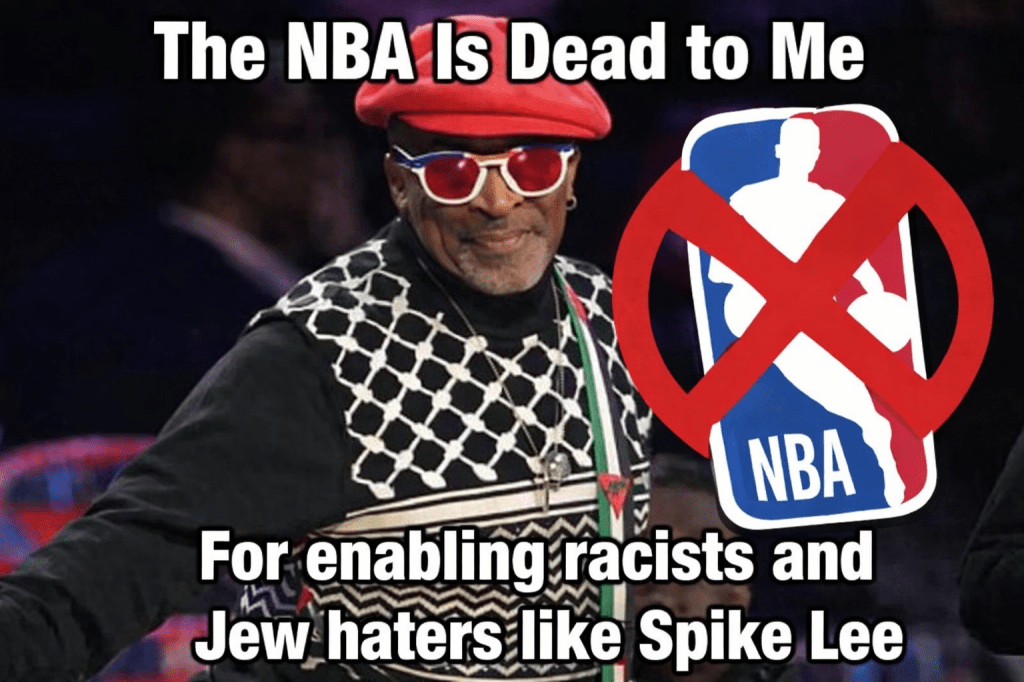



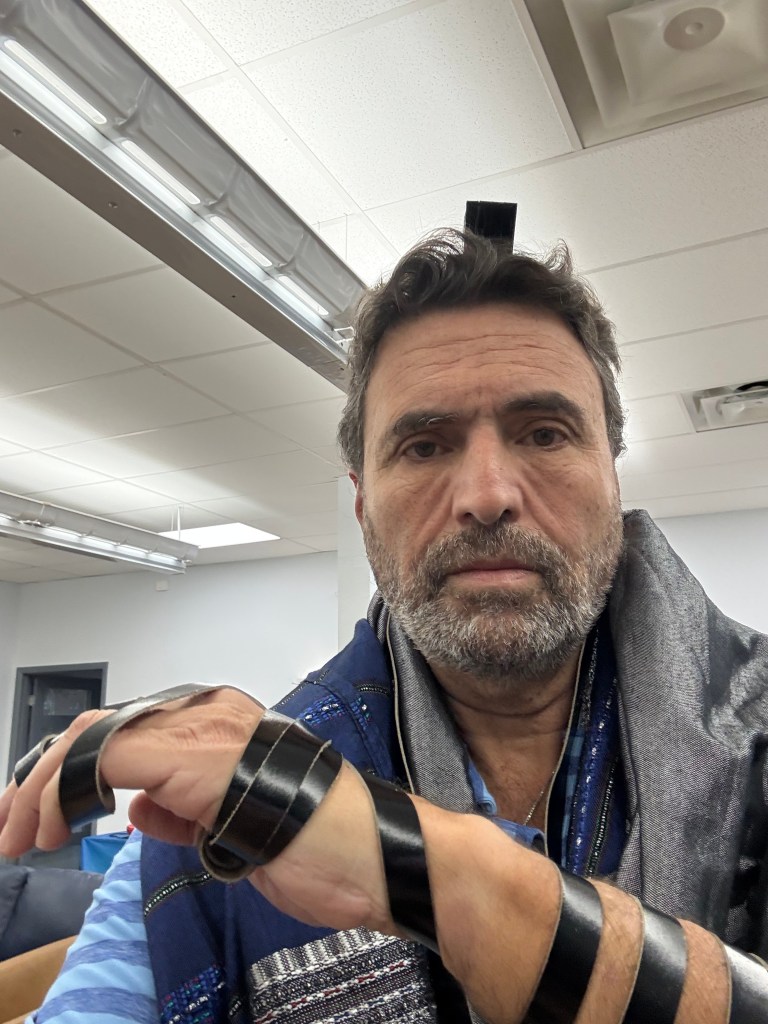
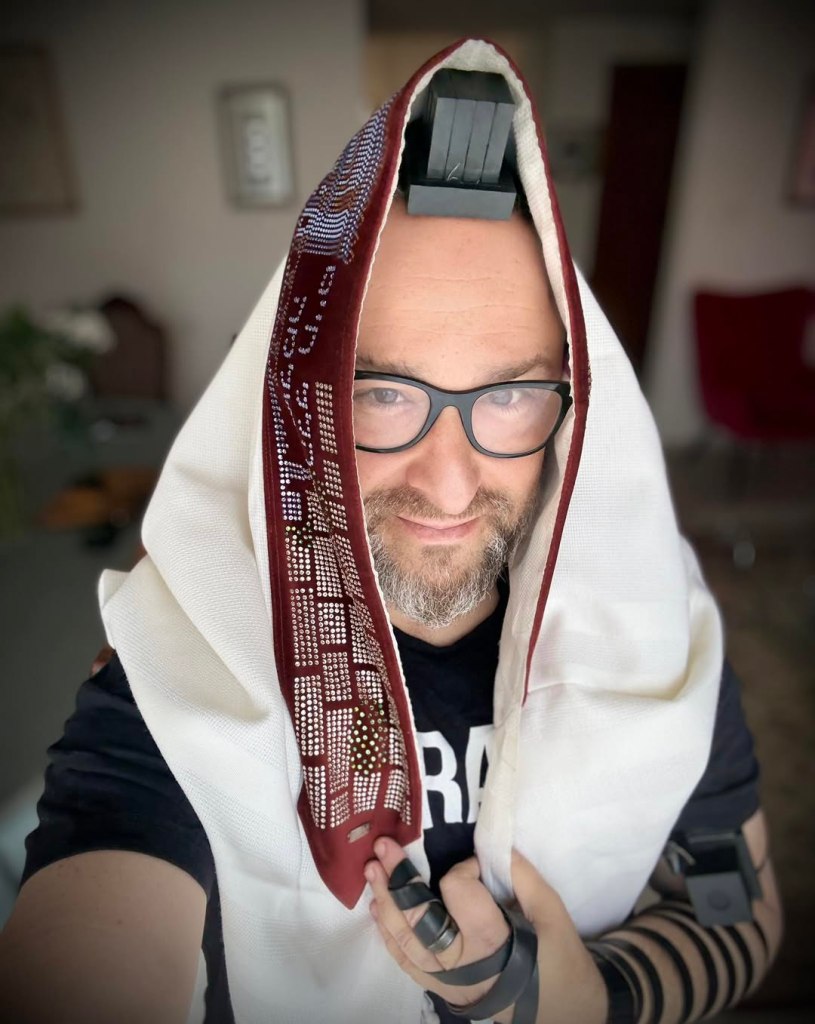





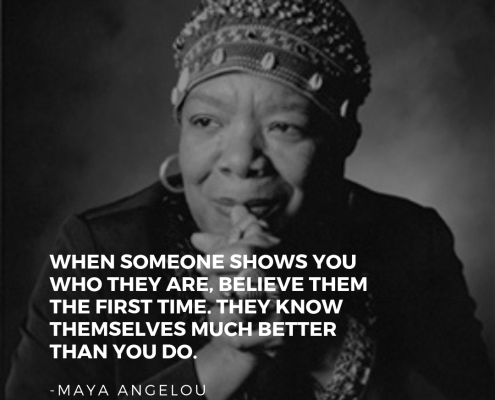
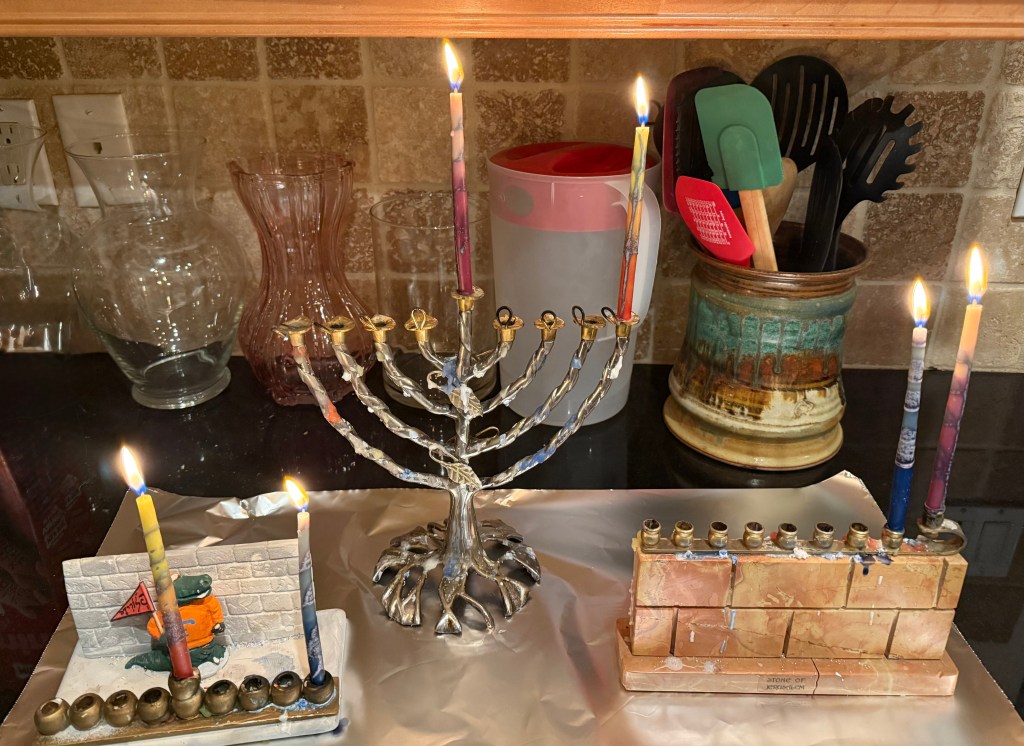
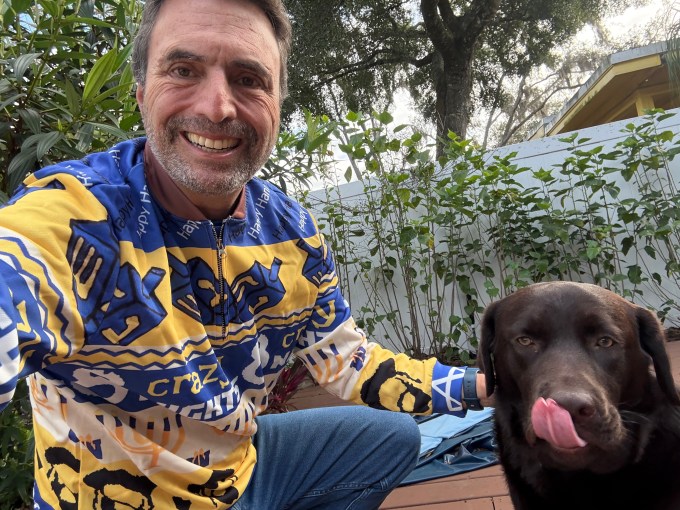
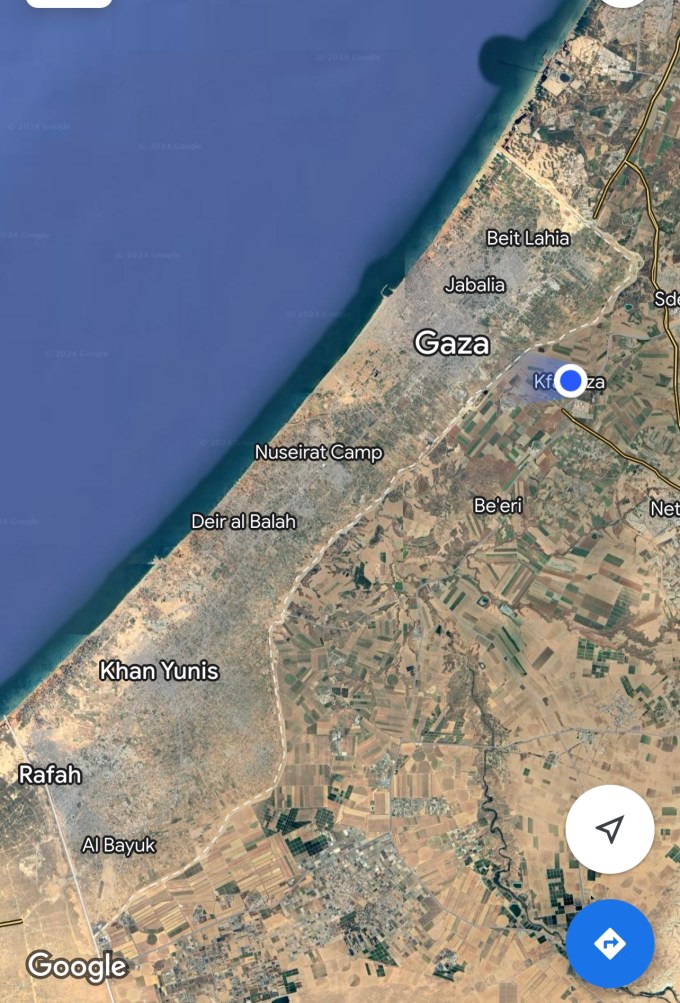
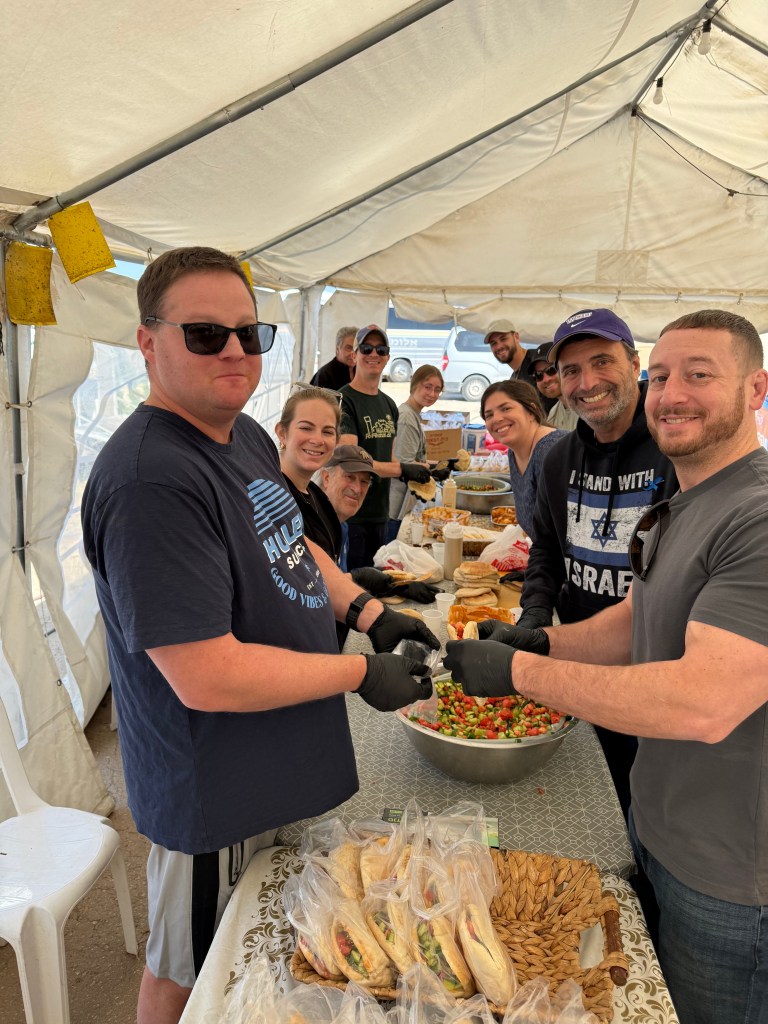

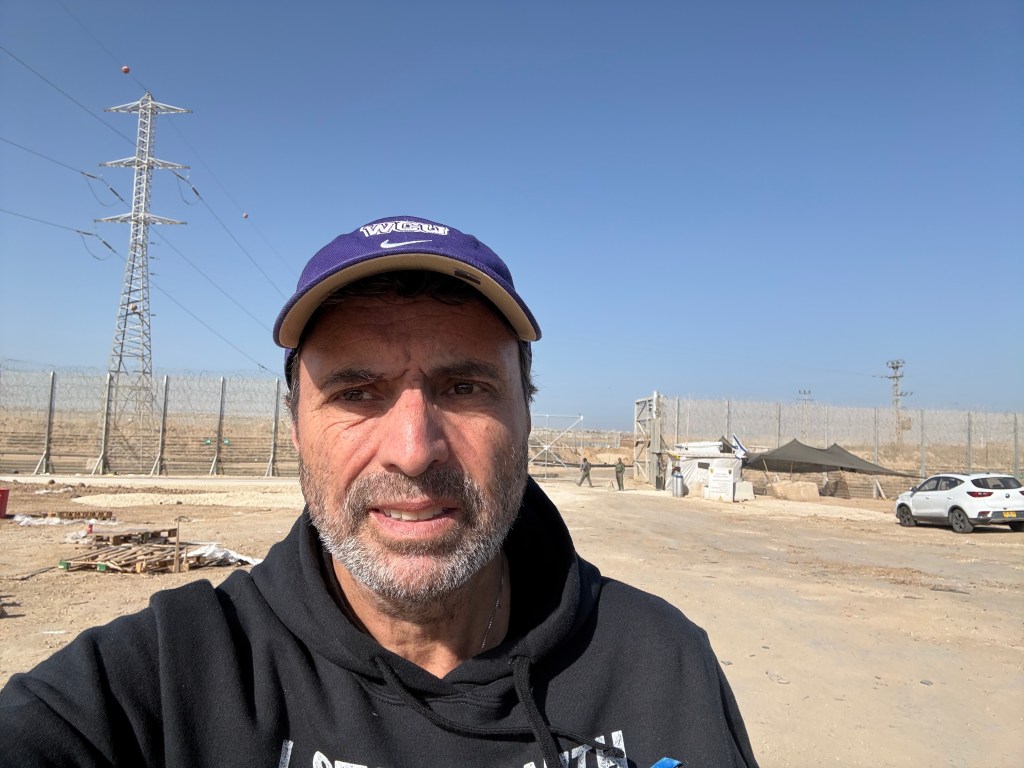
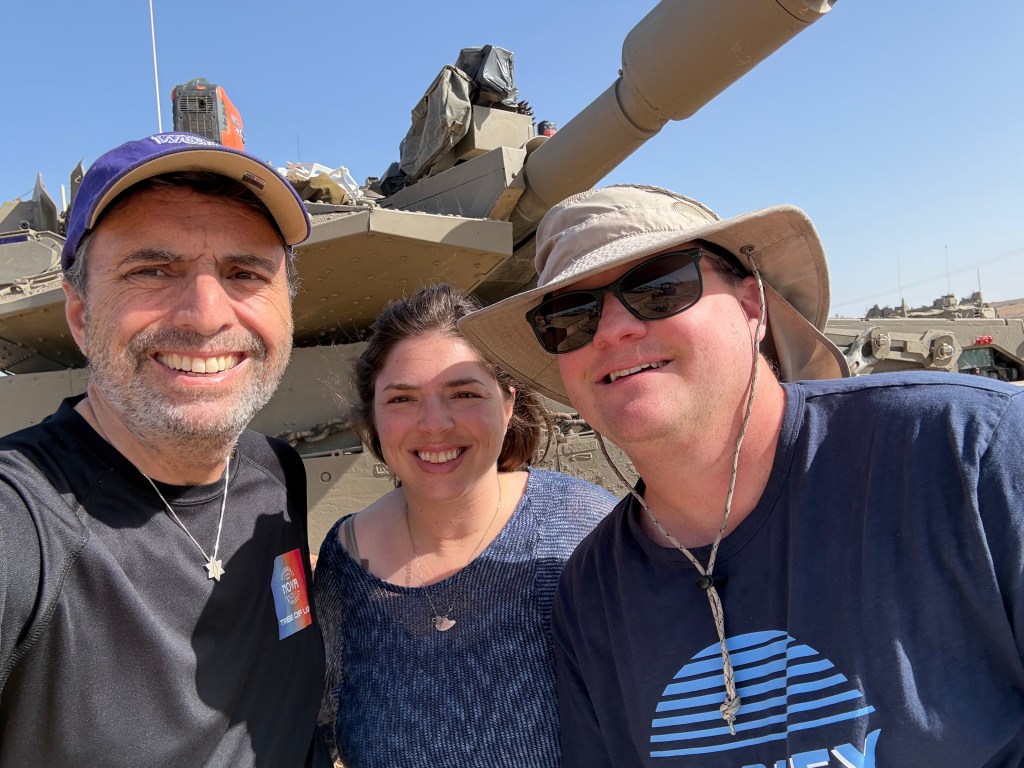



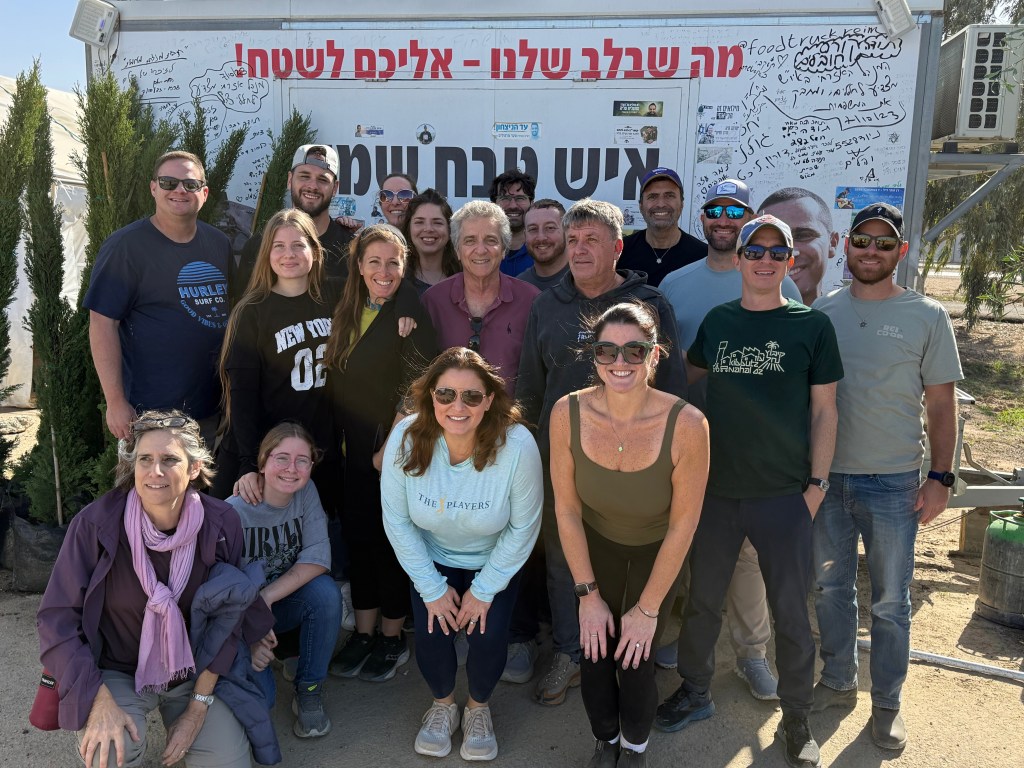




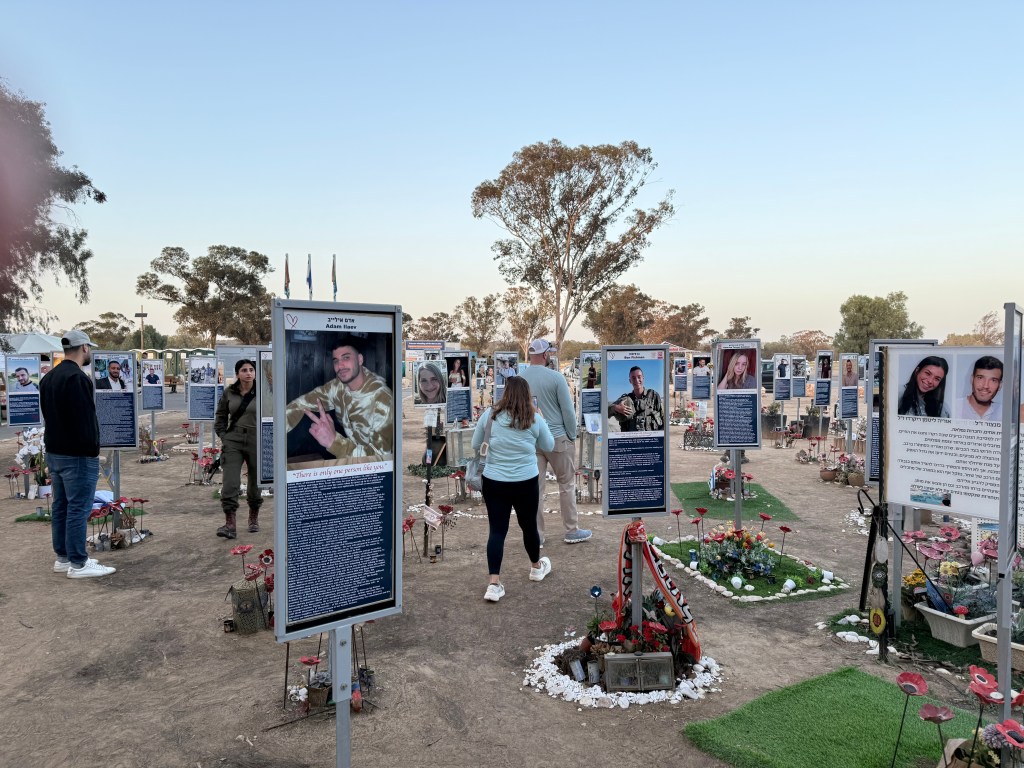

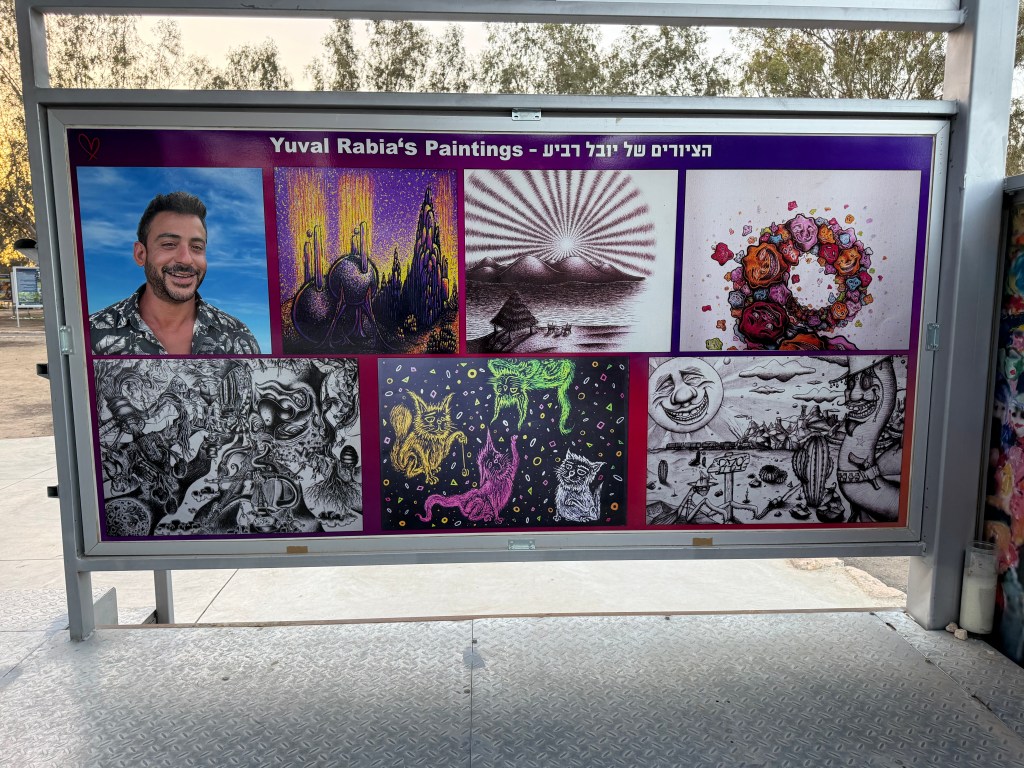

 keithdblog